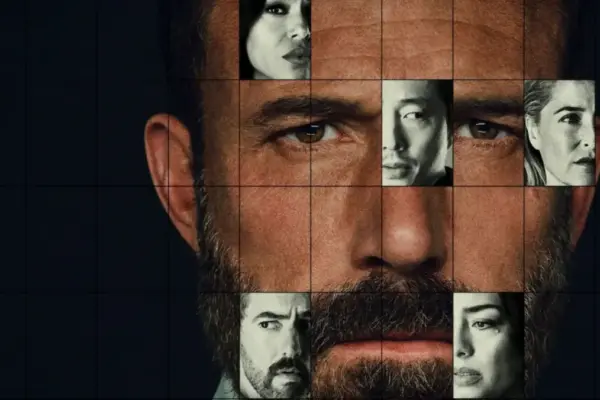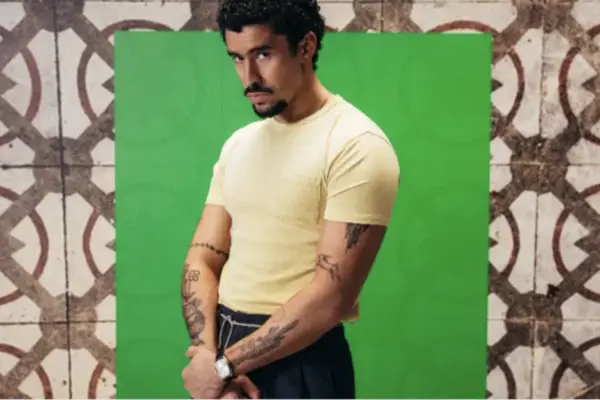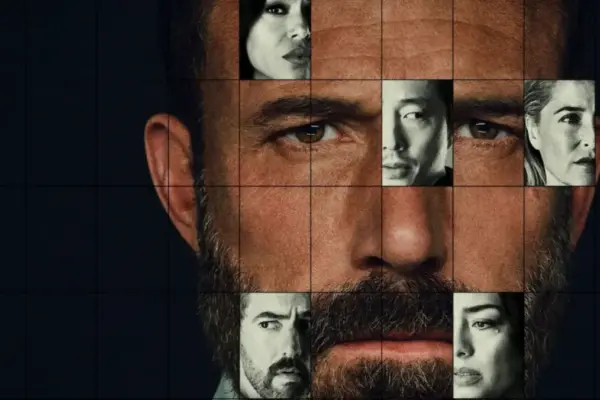

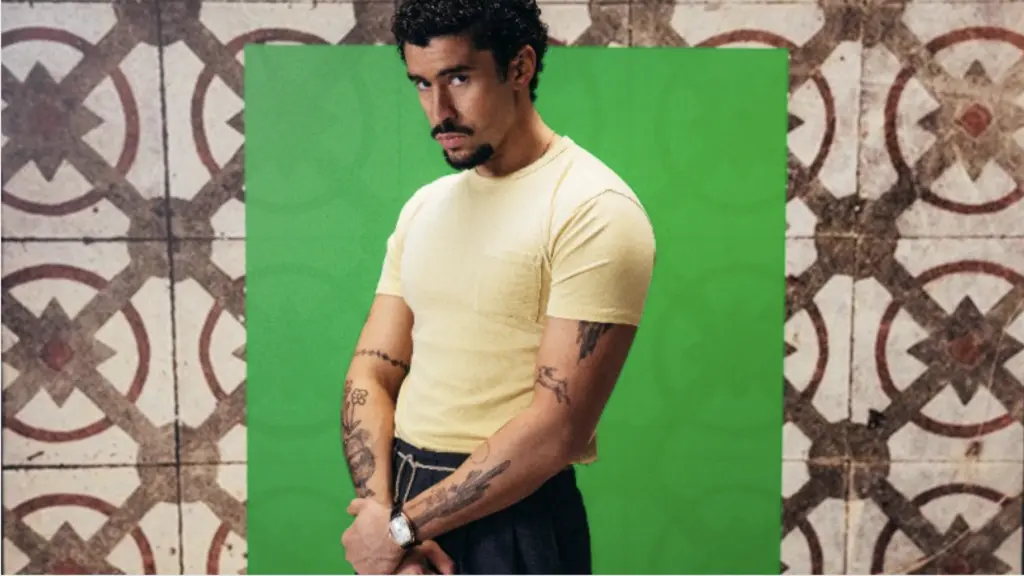
René Pérez, globally recognized as the acclaimed musical artist Residente, officially commenced principal photography on his feature directorial debut, the highly anticipated historical drama Porto Rico. With production officially underway as of Monday, the project immediately establishes itself as one of the most ambitious and star-studded Latin cinematic ventures in recent history. Boasting a powerhouse lead cast anchored by global megastar Bad Bunny in his first major leading role, alongside Hollywood heavyweights Viggo Mortensen, Edward Norton, and Javier Bardem, the film merges high-profile artistic talent with a deeply personal examination of Caribbean history.
Residente announced the launch of production through social media, sharing a photograph of the clapperboard from the film’s very first scene. Behind the camera, Residente is co-directing alongside Academy Award-winning cinematographer Anthony Dod Mantle, whose celebrated visual pedigree includes acclaimed works such as Slumdog Millionaire and Snowden. The collaboration between a visionary musical artist and an elite Oscar-winning cinematographer signals an uncompromising approach to the film’s aesthetic and narrative execution.
Described as a Caribbean western, Porto Rico is inspired by real historical events. The narrative delves into the complex colonial history of Puerto Rico, an island whose political and social landscape has been shaped by centuries of external governance. Residente has characterized the project as a work of intense visual storytelling and uncompromising honesty. To bring this vision to life, he co-wrote the screenplay with Alexander Dinelaris, the Oscar-winning screenwriter behind Birdman. For Residente, the film represents the realization of a lifelong ambition. He has frequently noted that he has dreamed of making a film about his homeland since childhood, driven by a desire to confront a true history that has long been surrounded by controversy, debate, and institutional neglect.
Why the Film Is Being Shot in the Dominican Republic
Despite being a deeply personal story about Puerto Rico, Porto Rico is being filmed primarily in the neighboring Dominican Republic. This geographic pivot stems from a combination of practical production requirements, logistical necessities, and political friction. The production team required expansive landscapes—including vast sugarcane fields that serve a critical role in the visual language and historical backdrop of the film—that could support a major international motion picture.
However, the decision to relocate the shoot was also heavily influenced by administrative hurdles. Specifically, the production faced limitations regarding tax credits and fiscal incentives available in Puerto Rico for the current fiscal year. The resulting controversy between the production team and the Puerto Rican government over those incentives became significant enough to redirect the entire operation across the Caribbean Sea. Rather than allowing the shift to pass quietly, Residente chose to make the logistical reality public.
This irony has not been lost on observers. The tension between a filmmaker attempting to craft a definitive cinematic statement about his native land, only to be forced to shoot elsewhere due to institutional and bureaucratic failures, mirrors the broader themes of the film. By being transparent about the relocation, Residente highlights how the production struggles themselves reflect the systemic challenges that have long defined Puerto Rico’s relationship with governance and institutional support.
An Extraordinary Cast and Creative Vision
The casting of Bad Bunny as the central protagonist marks a major milestone in the multi-hyphenate artist’s acting career. Having previously appeared in supporting roles in high-profile Hollywood projects such as Bullet Train and Caught Stealing, Porto Rico represents Bad Bunny’s first time carrying a feature film as the primary lead. Performing under the direction of Residente—his fellow Puerto Rican creative and one of the most decorated figures in Latin Grammy history with 34 career wins—infuses the collaboration with a profound cultural resonance that elevates the project far beyond a traditional casting announcement.
The supporting ensemble brings together three of the most respected and selective actors working in international cinema. Viggo Mortensen, known for his physically and emotionally demanding work in films like Eastern Promises, Captain Fantastic, and Green Book, adds a grounded, intense presence to the cast. Edward Norton, whose prolific career includes iconic performances in American History X, Birdman, and A Complete Unknown, offered high praise for the director when the project was first announced. Norton described Residente as a "poet of language" who would now unveil himself as a "visual visionary," comparing the convergence of Residente and Bad Bunny to "a flame finding the cartridge of dynamite that was waiting for it." Academy Award-winner Javier Bardem, celebrated for his chilling performance in No Country for Old Men, completes an ensemble whose caliber would distinguish any major international production.
The Production Structure and Historical Resonance
Porto Rico is produced by Residente and Erick Douét through 1868 Studios. The production entity was established via a multi-year strategic alliance uniting Residente with Sony Music Latin-Iberia and Sony Music Vision, with a stated mission to elevate Latin culture and bring authentic Latin stories to global audiences. Concurrently, Edward Norton and Bill Migliore are producing alongside Michael Bederman for Class 5 Films.
The extensive executive producer roster further underscores the project’s global industry backing. It features multiple Academy Award-winning Mexican director Alejandro G. Iñárritu, alongside Scott Budnick, Mike Novogratz, Sukey Novogratz, José E. Feliciano, Kwanza Jones, Henry R. Muñoz III, and Noah Assad. International sales for the feature are being handled by the UTA Independent Film Group.
The historical backdrop of the film is rooted in centuries of geopolitical transformation. Puerto Rico remained a Spanish colony until 1898, when sovereignty was transferred to the United States following the Spanish-American War, eventually establishing the Commonwealth status that persists today. This unique political status has fueled continuous debate regarding sovereignty, national identity, and self-determination for well over a century. By framing this history within the conventions of a Caribbean western, Porto Rico utilizes a genre historically associated with frontier conflict and state expansion to examine the realities of colonial history. Told by Puerto Rican artists equipped with the creative and financial resources necessary to realize a project of this scale, the film represents a cinematic undertaking that the island and its global diaspora have anticipated for generations.