



Music has long served as an essential thread running through the vibrant observance of Día de Muertos, or the Day of the Dead. This deeply rooted Mexican tradition seamlessly blends Indigenous Mesoamerican philosophies with Christian customs introduced during the Spanish colonial era, evolving continuously over the centuries. Today, it stands as one of the most beloved and visually striking commemorations both within Mexico and across the global stage.
The sensory landscape of the celebration is unmistakable. Homes, public squares, and street corners are transformed by intricate cut-out tissue paper, vibrant marigold flowers known as cempasúchil, traditional sugar skulls, loaves of pan de muerto, fresh water, flickering candles, and the favorite foods and beverages of departed loved ones. These elaborate elements fill altars designed to honor and symbolically welcome family members and ancestors back to the world of the living for a brief reunion. According to the tradition, every November 1st and November 2nd—traditionally dedicated to children and adults, respectively—the living and the dead cross paths as the latter return from Mictlán, the underworld of ancient Mexican mythology.
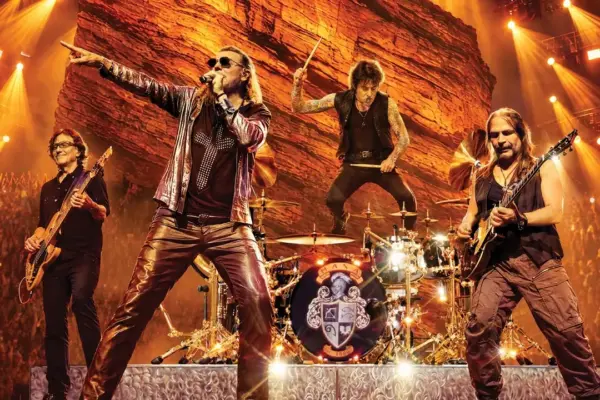
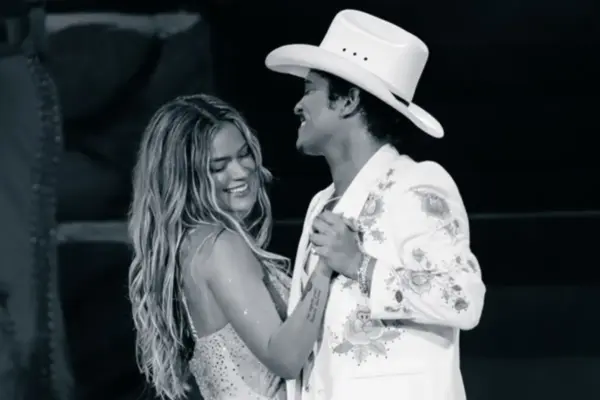
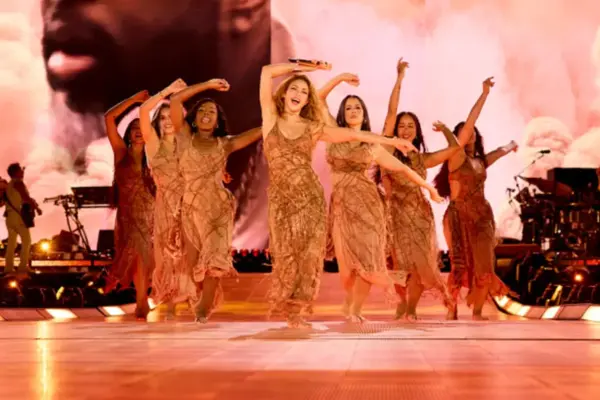
Within this cultural framework, death is not viewed as a permanent absence or a source of morbid dread. Instead, it is treated as a living presence—a profound symbol of life that materializes on the home altar as an offering to those who have passed on. It is a colorful, deeply resonant occasion that bridges philosophical contemplation and material celebration, capturing the imaginations of artists across generations. From cumbia and rock to rancheras, huapango, and pop, a wide array of musicians has turned to mortality, memory, and grief for artistic inspiration.
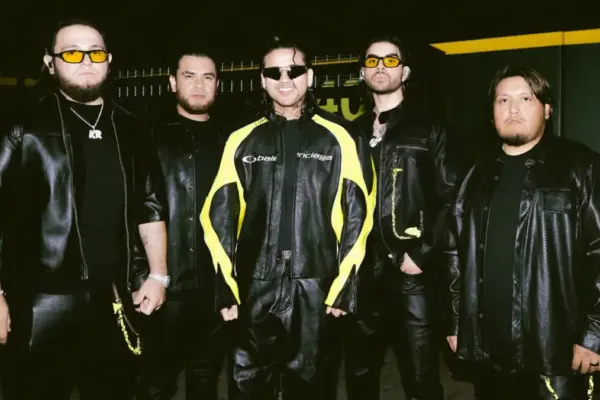
Acclaimed figures and contemporary innovators alike—including Chavela Vargas, Natalia Lafourcade, Carlos Rivera, Vicente Fernández, Luis Ángel “El Flaco,” Roco Pachukote, Silvana Estrada, Son Rompepera, Pehuenche, and Renee Mooi—have recorded defining songs that explore themes of absence, legacy, love, and enduring hope. These musical works resonate deeply with the popular spirit of Día de Muertos, capturing the complex emotions tied to remembering those who are no longer physically present.
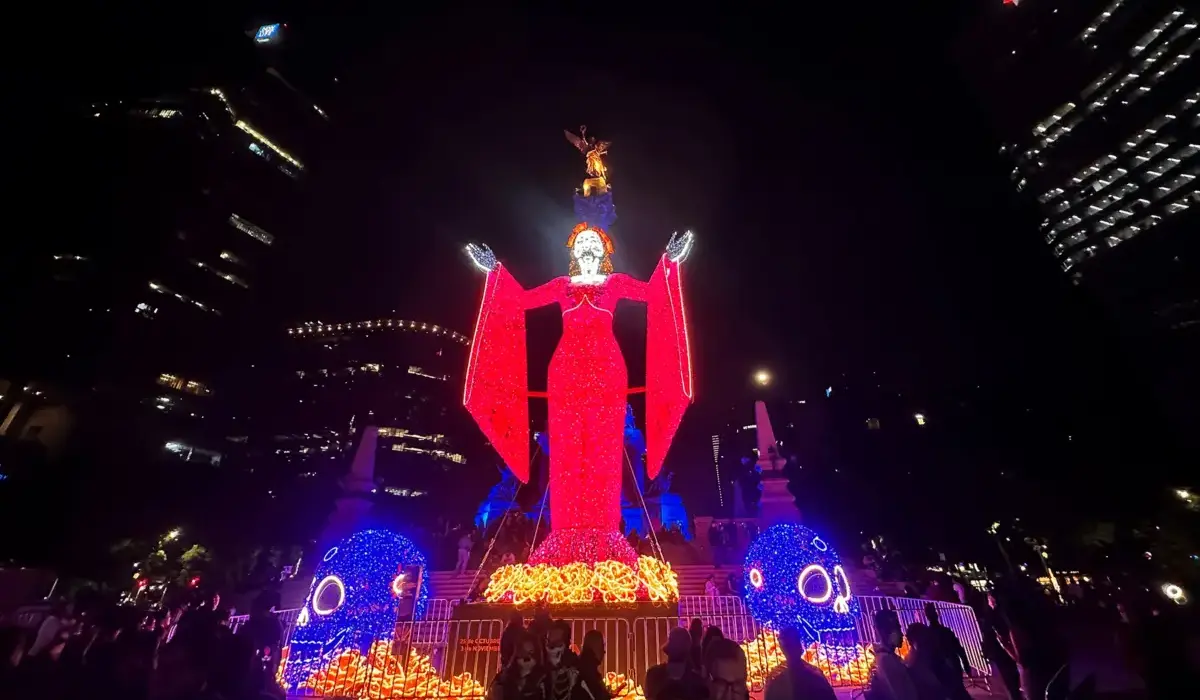
The intersection of music and mortality during this seasonal celebration highlights how deeply art can reflect cultural identity. As cities like Mexico City prepare for the annual festivities—illuminating massive structural tributes like the giant Catrina at the Angel de la Independencia along Reforma Avenue—the soundtrack of the season plays a crucial role in shaping the atmosphere. Whether through the mournful strains of traditional rancheras or the energetic beats of modern fusion bands, artists continue to ensure that the dialogue between the living and the dead remains vibrant, creative, and profoundly human.