







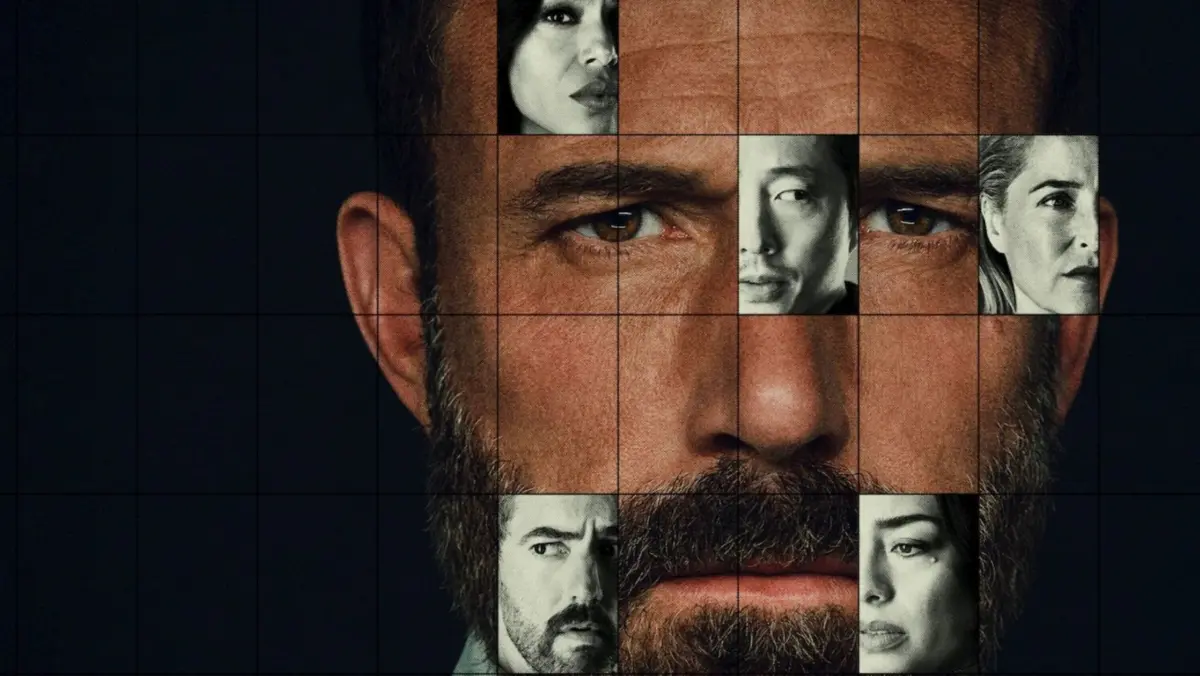
In a deeply revealing and timely conversation with veteran journalist Jorge Ramos for his digital show Así Veo Las Cosas, Academy Award-winning filmmaker and actor Ben Affleck opened up about his new Netflix feature film, Animals. Sitting down to discuss the creative and personal motivations behind the project, Affleck made it clear that the thriller was never intended to be a detached, conventional Hollywood exercise. Instead, he approached the film with the profound conviction that the United States is fundamentally a country of immigrants, and that the story of Luis and Adriana—the two Mexican characters at the center of the narrative—is, at its core, the story of America itself.
Affleck’s framing of the film goes far beyond standard promotional talking points; it reflects the guiding philosophy that shaped every decision he made while co-writing and directing the project. Throughout the interview, he addressed the deliberate risks he knew he was taking by tackling the immigrant experience head-on during a period of intense political polarization and heightened anxiety surrounding U.S. immigration policy. The reality of that climate, Affleck revealed, was brought home in an astonishing and jarring way during production when actual Immigration and Customs Enforcement (ICE) operations directly impacted the film’s daily schedule on the streets of Los Angeles.
He Knew Making This Film Was a Risk and He Made It Anyway
Affleck was remarkably candid about the professional and cultural risks associated with centering a mainstream production around the dignity, humanity, and daily struggles of immigrant characters in the current political climate. Rather than shying away from controversy, he made the deliberate decision to lean into the subject matter because he felt the topic demanded uncompromising attention and authenticity.
He explained to Ramos that his primary creative objective was to portray immigrants not as flat, peripheral supporting characters pushed into the background of someone else’s narrative, but as fully realized human beings with dignity, agency, and the undeniable status of protagonists in their own lives. In a political environment fraught with hostility and generalized fear, Affleck felt a profound responsibility to use his platform to tell a story that resonated with human truth rather than political expedience.
Furthermore, the director confronted head-on the persistent bias within the mainstream film industry regarding English-language audiences and their supposed resistance to subtitles. For decades, traditional Hollywood wisdom has operated under the assumption that non-Spanish-speaking viewers will disengage from productions that require reading subtitles, often steering studios away from bilingual or foreign-language storytelling on a large scale. Affleck actively pushed back against that commercial calculation. He argued that the urgent social relevance of the narrative and the absolute necessity of representing the immigrant experience with honesty, nuance, and dignity far outweighed any fears of alienating a portion of the box-office demographic. By giving his Mexican characters authentic, uncompromised voices—even going so far as to hand the pen over to his principal actors to write their own dialogue—Affleck ensured that the film would remain true to the realities of the communities it sought to represent.
ICE Was Operating on His Filming Locations and the Script Was Playing Out in Real Life
The conversation between Affleck and Ramos unfolded against the backdrop of an ongoing, highly charged national debate concerning U.S. immigration enforcement and the tangible, disruptive impact of ICE operations on vulnerable communities across the country. Animals enters this cultural landscape at a moment when the traditional boundary separating cinematic fiction from everyday reality has narrowed dramatically.
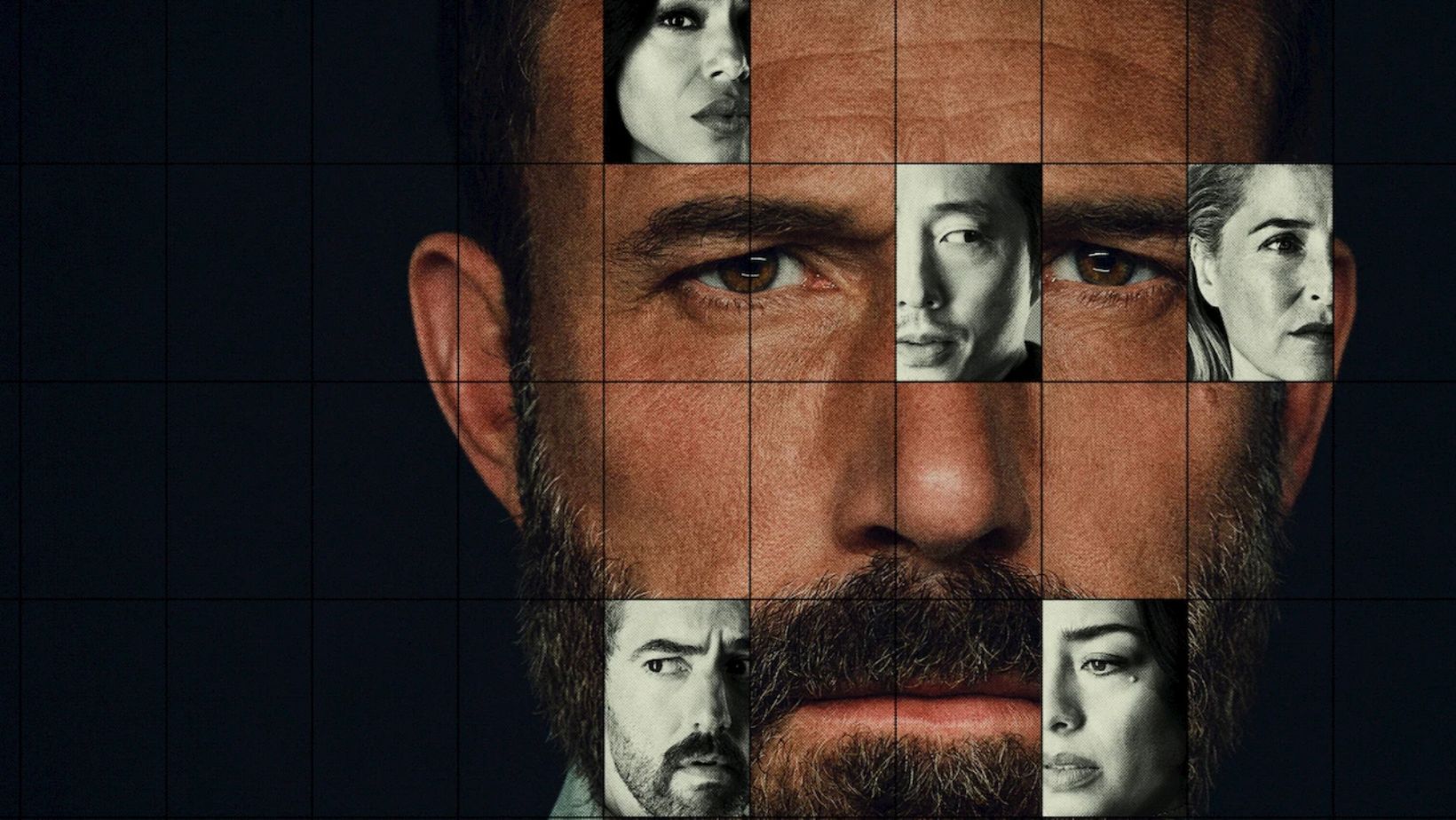
Affleck detailed how the production, which was shot on location in Los Angeles, faced unexpected and sobering interruptions when federal immigration enforcement activities took place directly in the areas where the crew was scheduled to work. On multiple occasions, production had to be paused because ICE operations were actively unfolding on the very streets where the cast and crew were attempting to capture the fictionalized struggles of the script.
Rather than viewing these sudden shutdowns as merely inconvenient logistical hurdles for a major film production, Affleck described the experience as extraordinary and transformative. Witnessing the exact scenarios written into the screenplay playing out in real life right outside the monitor gave the project an undeniable depth, urgency, and emotional gravity that no amount of pre-production research, script doctoring, or rehearsal could have ever manufactured. This eerie collision between fiction and reality heightened Affleck’s awareness of the immense responsibility he carried as a director. It reinforced his determination to get the immigrant characters right, ensuring that actors Adriana Paz and Luis Gerardo Méndez were intimately involved in shaping their own dialogue to reflect genuine lived experiences rather than Hollywood clichés.
He Said This Is a Country of Immigrants and His Family Proves It
For Affleck, the decision to helm Animals was not born out of a fleeting creative curiosity, but out of a deeply personal connection to the broader immigrant narrative. He stated plainly to Ramos that his own people and his own family share an immigrant background, reinforcing his belief that the struggles faced by the characters in the film reflect the broader historical and ongoing evolution of the United States. In Affleck’s view, America’s true identity has always been forged by the millions of people who arrived from other parts of the world, carrying their hopes, fears, and labor to build their lives within its borders.
This personal ethos aligns seamlessly with his professional ambitions through Artists Equity, the production studio he co-founded alongside longtime collaborator Matt Damon. Animals features a stellar ensemble cast, bringing together prominent performers such as Kerry Washington, Gillian Anderson, Steven Yeun, and Ray Fisher alongside its talented Mexican leads. Affleck brought the film to the screen fully aware that it would step directly into a deeply polarized national conversation—one that remains intensely personal for millions of viewers across the country.
Animals is currently available for streaming on Netflix, inviting audiences to engage with a story that captured the realities of modern immigration not just through the lens of fiction, but through the unpredictable and powerful collision of real-world events.