



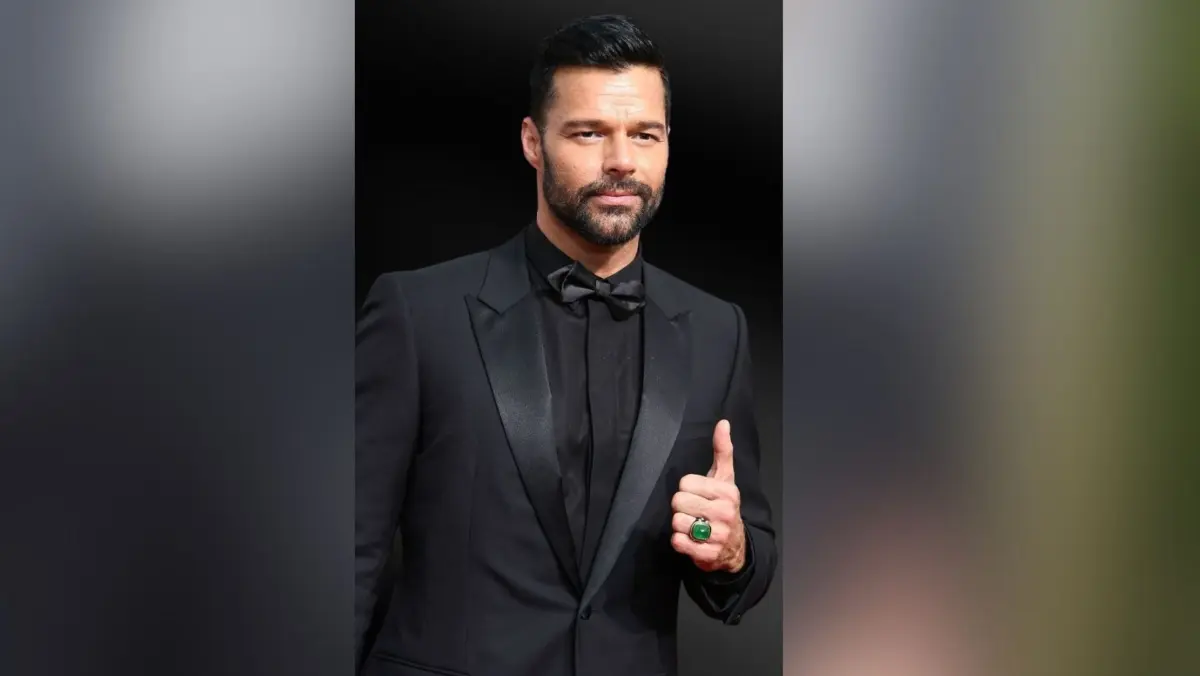

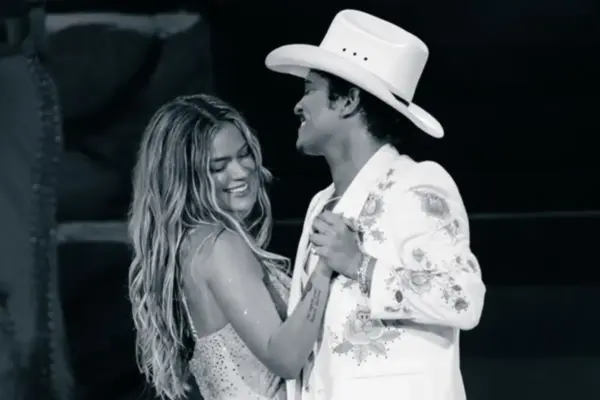
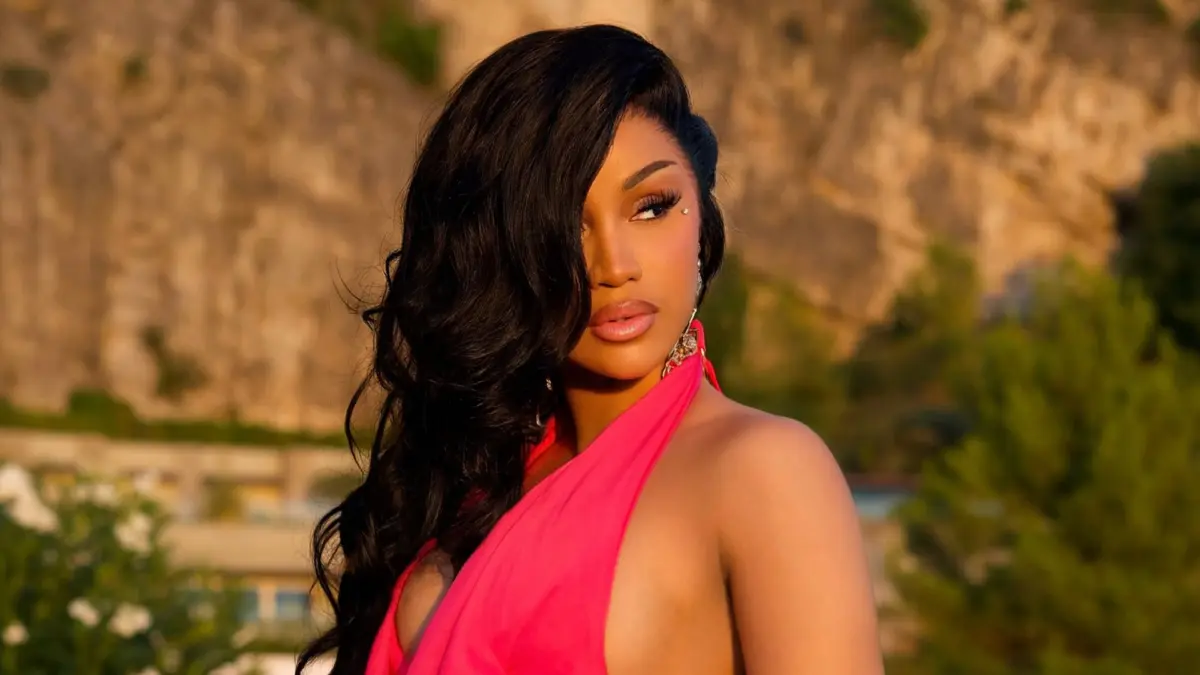
Over the past decade, celebrity beauty brands have become almost an inevitable rite of passage for stars looking to expand their empires. Some feel thoughtful, deeply personal, and well-researched, while many others feel like expensive, hollow extensions of a famous face’s carefully curated image. JLo Beauty stands out as one of the most disappointing entries into this crowded market. Consumers probably shouldn’t have been surprised by its shortcomings, considering Jennifer Lopez’s widely publicized and rather ridiculous claim that extra-virgin olive oil is the secret behind how she keeps her skin looking so youthful well into her 50s. It is safe to assume that no one—even those consumers who dutifully paid out of pocket for the full multi-step routine—actually believed that kitchen staple was the sole source of her complexion.
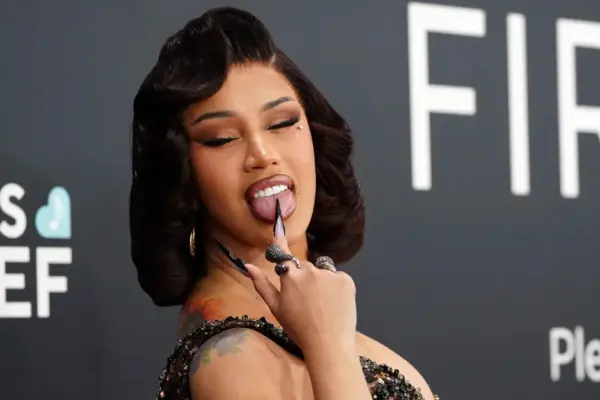
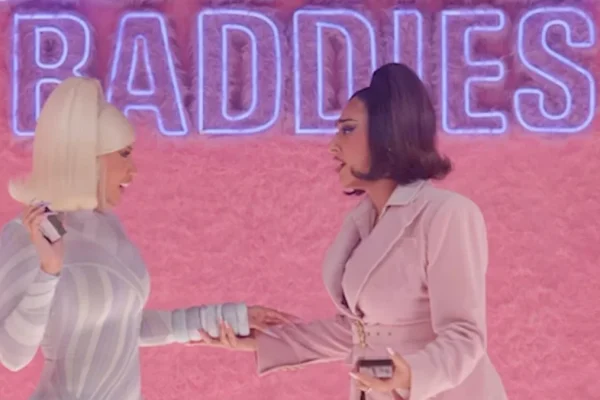
In the past few years, however, beauty enthusiasts and everyday shoppers alike have noticed a distinct and welcome shift toward more hands-on, intentional founders who respect their audience’s intelligence. Selena Gomez’s Rare Beauty has emerged as one of the most successful and genuinely loved celebrity-owned cosmetics brands on the market, largely thanks to its focus on mental health advocacy and inclusive product design. At the same time, Rihanna’s Fenty Beauty famously broke industry boundaries years ago, revolutionizing the cosmetic landscape especially in how it catered to women of color who had long been ignored by traditional beauty conglomerates. More recently, after trying products from Cardi B’s Grow-Good Beauty line, many consumers can attest that the haircare actually delivers results, noting how curls feel silky-smooth and deeply nourished after using treatments like the Get Rich Hydrating Mask.
Grow-Good’s market credibility does not come from nowhere; it stems partly from Cardi B spending years publicly documenting her personal, often frustrating relationship with her hair. She has long been open about the scrutiny she faced as an Afro-Dominican woman with type 4 curls, her struggles with length retention, her heavy reliance on wigs and protective styling extensions, and the traditional Dominican home treatments she grew up making with kitchen ingredients like avocado, honey, and olive oil. Because Cardi let her massive audience in on that messy, authentic journey over the years, consumers could clearly see that she was not simply attaching her famous name to a generic, white-label product. Instead, she was actively building a brand around a real problem that she genuinely understood and had lived through.
That history does not magically make a celebrity a licensed trichologist or a trained cosmetic chemist, but it does grant them a very specific, undeniable authority on their own lived experience. Traditional academic credentials establish scientific expertise, but lived experience creates a different, much more specific kind of consumer authority. When that personal knowledge is paired with qualified, professional formulators and the financial resources required to develop genuinely effective products, it can produce something that consumers can truly trust. The strongest celebrity founders today are not just selling products with a famous face—they are completely transparent about the personal pain points or problems that inspired the brand in the first place, while also acknowledging the credentialed experts who helped them engineer a real solution.
As a Black Latina, that distinction resonates deeply on a personal and cultural level. Long before the modern celebrity beauty boom turned into a multi-billion-dollar industry, Black and Latina women were actively creating their own products and passing down specialized haircare and skincare techniques through generations because mainstream, legacy companies simply weren’t serving their needs. Growing up, many went exclusively to Dominican salons because they simply didn’t trust anyone else to know how to properly care for, wash, blow out, and style their textured hair. When individuals decide to grow out, repair, and embrace their natural curls later in life, they typically turn to trusted Black-owned legacy brands like Shea Moisture and Carol’s Daughter, and later to innovative Afro-Latina founders like Carolina Contreras of Miss Rizos and Lulu Cordero of Bomba Curls.
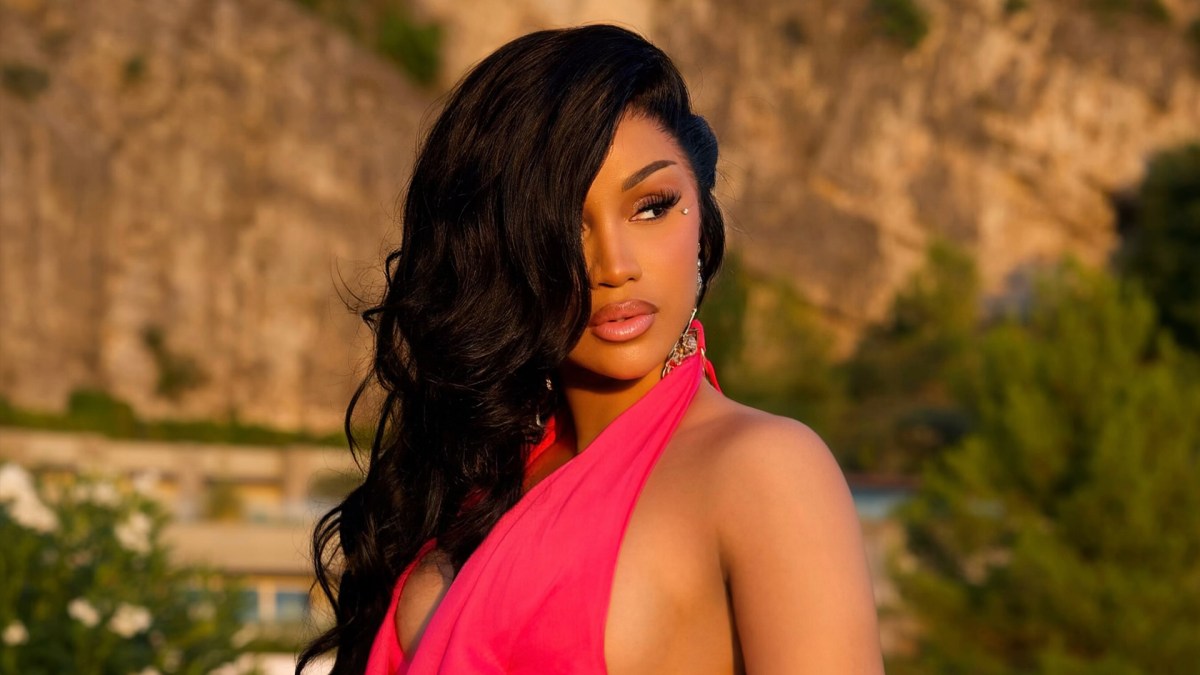
From Madam C.J. Walker’s historic early 20th-century haircare empire to global icons like Beyoncé with Cécred and Tracee Ellis Ross with Pattern Beauty, lived knowledge has always shaped the beauty industry—even during eras when formal institutions and corporate boardrooms refused to recognize that lived experience as legitimate expertise. These specialized brands speak directly to Black and Latina women’s unique hair and skin needs because they begin with a fundamental, empathetic understanding of what those consumers have historically been denied by the mainstream market.
Of course, it is important to acknowledge that celebrity experience has distinct limits. Having flawless skin, incredible hair, and a massive social media following does not automatically translate to scientific expertise or formulation mastery. That is why astute consumers now evaluate celebrity-backed beauty brands on a strict, case-by-case basis. Trying products from founders one might vouch for over a period of at least a few weeks reveals the true quality behind the marketing hype. Consumers are increasingly more inclined to trust founders who have already demonstrated a long-standing, authentic connection to the exact issue they claim to address—such as Shakira publicly documenting her ongoing journey to repair her curly hair or Sofia Vergara speaking candidly about her lifelong obsession with sun protection and skin health.
When analyzing these brands, thoughtful buyers ask critical questions: Is the celebrity sharing genuine personal experience, or are they making unregulated medical claims? Are credentialed, experienced cosmetic chemists actively involved in the formulation process? Who actually developed the products behind the scenes? And most importantly, is the celebrity founder completely transparent about the limits of what they actually know versus what their hired experts know?
Perhaps the future of celebrity beauty does not require famous figures to pretend they are credentialed laboratory experts or scientists in white coats. Perhaps the most credible, trustworthy founder in the modern marketplace is simply someone who can stand before their audience and say: I lived with this specific problem, I could not find anything on the market that actually solved my needs, and therefore I brought in qualified, brilliant people to help me build a real solution from the ground up.
Consumers do not necessarily need celebrities to know everything about the complex chemistry of beauty and skincare. They simply need them to know what they personally know—and to be completely honest about what they do not. And if a celebrity still insists on claiming that the extra-virgin olive oil sitting in your kitchen pantry is all you need to look as youthful as Jennifer Lopez does in her 50s, that glaring lack of transparency is probably a sign that you shouldn’t trust the pitch.