










Heart disease remains one of the most pressing health challenges across the United States. While data from the Centers for Disease Control and Prevention indicates that Latinx populations experience lower mortality rates from cardiovascular disease compared to several other racial and ethnic groups, it nonetheless stands as a primary health concern within the community. Addressing this issue does not require abandoning traditional culinary heritage. Instead, public health advocates and nutritional guidelines emphasize that making simple, culturally affirming adjustments to everyday meals can play a powerful role in preventing and managing cardiovascular conditions like high cholesterol.
According to recommendations from the American Heart Association, adopting a heart-healthy lifestyle involves focusing on specific nutritional guidelines. When viewed through a cultural lens, many of these recommendations align seamlessly with the ingredients and flavors already central to traditional Latinx kitchens. By recognizing and elevating these natural overlaps, individuals can care for their cardiovascular wellness while staying deeply connected to their culinary roots.
Eat Plenty of Fruits and Veggies
According to the United States Department of Agriculture, vegetables and fruits are rich sources of essential nutrients, including fiber, potassium, vitamin A, vitamin C, and folate. Incorporating a high volume of fruits and vegetables into a daily diet is also linked by the USDA to a reduced risk of developing heart disease, making it a cornerstone of the recommendations put forward by the American Heart Association.
Crucially, meeting these nutritional goals does not require shifting exclusively toward unfamiliar produce like broccoli or kale. Traditional Latinx dishes naturally feature a vibrant array of vegetables, such as bell peppers, onions, tomatoes, tomatillos, carrots, cucumbers, jicama, nopales, and squash. Furthermore, fruit is frequently enjoyed in refreshing beverages like batidas and fresh jugos, or served fresh and sliced, often topped with limón and tajín. All of these culinary traditions contribute directly to daily fruit and vegetable intake, proving that heritage and health can go hand in hand.
Prioritize Whole Grains
Similar to the benefits associated with produce, the regular consumption of whole grains as part of a balanced diet can help lower the risk of heart disease, notes the USDA. Federal nutritional guidelines generally recommend that at least half of all grain consumption consist of whole grains. Compared to refined grains, whole grains are typically much higher in fiber, B vitamins, iron, magnesium, and selenium.

Within many traditional diets, wholesome grain options are already staples. Common examples include oats, corn, and whole-wheat breads. Notably, traditional corn tortillas qualify as whole grains as long as they are prepared using whole corn flour, commonly known as masa harina. These everyday staples provide a simple pathway for individuals to increase their fiber and nutrient intake without having to alter their preferred mealtime routines.
Focus on Lean Proteins
Lean proteins are characterized by lower overall fat content, including reduced levels of saturated fat. The American Heart Association cautions that consuming excessive amounts of saturated fat can elevate blood cholesterol levels, which in turn increases the risk of cardiovascular disease. To mitigate this risk, health experts advise prioritizing plant-based proteins—such as beans—alongside seafood, lean meats, and poultry.
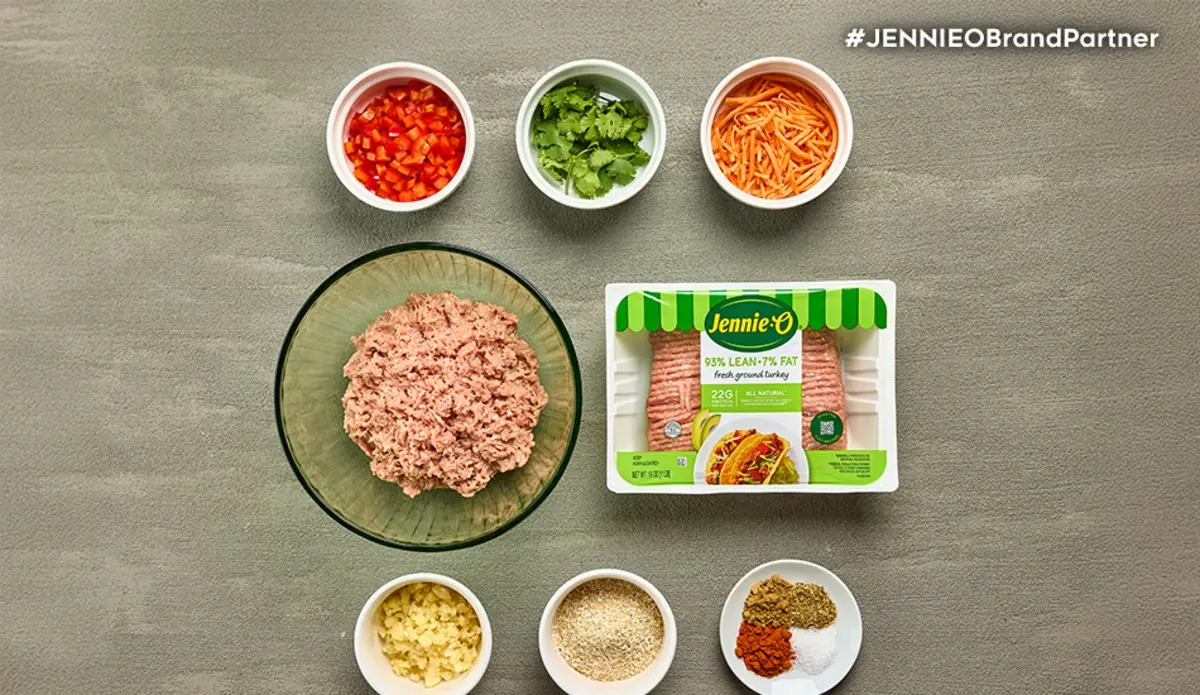
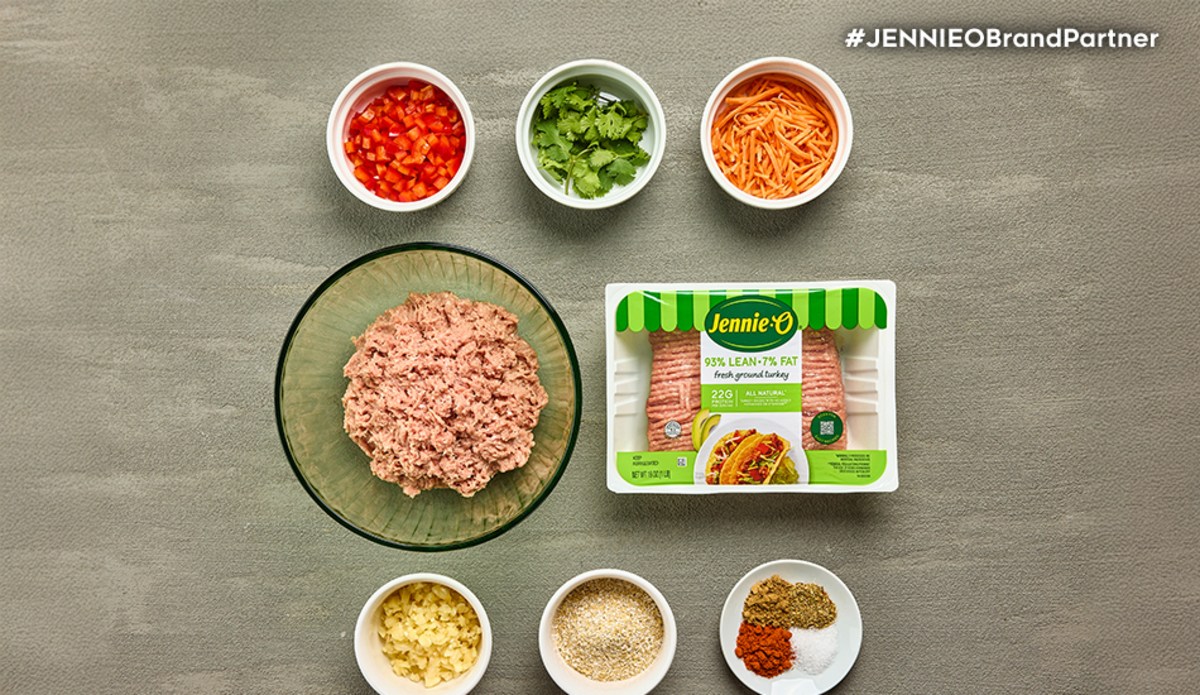
For those seeking a convenient and accessible lean protein option, JENNIE-O® Lean Ground Turkey offers a practical alternative. It contains less saturated fat than traditional lean ground beef and can be easily substituted into beloved cultural dishes such as enchiladas, empanadas, or picadillo. According to USDA food data, a standard four-ounce serving of 93 percent lean ground beef contains approximately 3.25 grams of saturated fat, whereas the same portion of JENNIE-O® Lean Ground Turkey contains 2.5 grams. Small, deliberate adjustments of this nature can significantly reduce the saturated fat content of familiar family recipes.

Cook With Liquid Veggie Oils
Another foundational element of a heart-healthy diet, as outlined by the American Heart Association, involves the use of liquid, non-tropical vegetable oils. Oils such as canola, corn, olive, soybean, and sunflower oil are naturally lower in saturated fat compared to solid fats like butter, ghee, lard, and animal fats derived from beef or pork. Opting for these liquid oils can help promote normal cholesterol levels and reduce broader cardiovascular risk factors.
In addition to cooking oils, traditional diets frequently incorporate other beneficial sources of healthy fats, such as avocados and pepitas. A comprehensive 2002 study published in the Journal of the American Heart Association explored the impact of dietary fats and found that replacing just half a serving daily of margarine, butter, eggs, yogurt, cheese, or processed meats with an equivalent amount of avocado was associated with a 16 percent to 22 percent lower risk of cardiovascular disease.
Ultimately, protecting cardiovascular health does not require individuals to sacrifice the flavors, memories, and traditions tied to their favorite foods. By emphasizing fruits, vegetables, whole grains, lean proteins, and healthy fats already present in traditional staples, communities can actively support long-term heart wellness while honoring their cultural identity. This adaptability demonstrates that health promotion and cultural preservation can coexist harmoniously in the kitchen.

Disclaimer: Consult your medical provider before beginning any diet or exercise program. This general information is not intended to diagnose any medical condition or to replace your healthcare professional.