

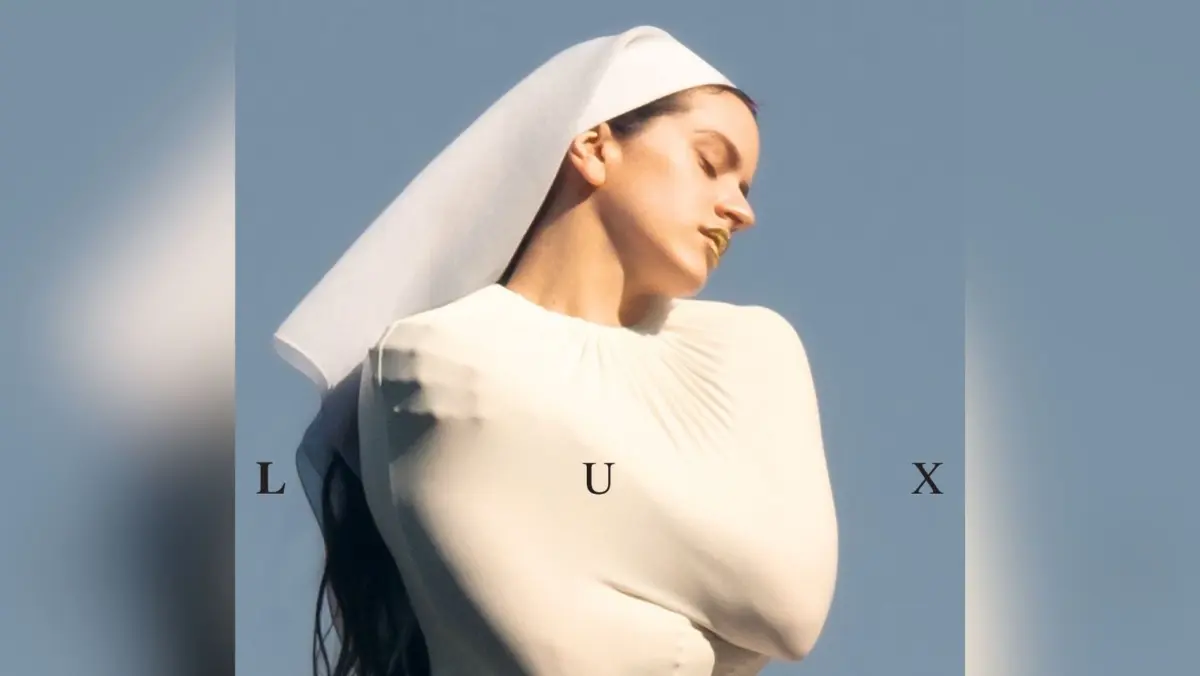
A tribute concert honoring Spanish global superstar Rosalía, which had been scheduled to take place on Thursday in the Argentine city of Córdoba, was abruptly canceled after local organizers received a relentless wave of hate messages and expressions of public anger directed at the production. The cancellation arrived in the middle of an escalating cultural and social controversy that began the day after Argentina suffered a heartbreaking 1-0 loss to Spain in the World Cup final.
Following the match, Rosalía shared a TikTok video that Argentine football fans rapidly interpreted as a direct provocation. The digital backlash quickly extended well past her own social media accounts, spilling directly into the broader cultural landscape of a nation where football is not merely a sport, but a foundational pillar of national identity.
The canceled tribute show had been organized independently by an Argentine production company with no professional or personal connection to Rosalía herself. In development for over four months before any controversy existed, the event was meticulously designed as an ambitious symphonic celebration of her musical career. It was planned to blend elements of traditional flamenco, modern pop, electronic music, and intricate orchestral arrangements, and was set to be hosted at the Museo Metropolitano de Arte Urbano in Córdoba.
What the Organizers Said
Faced with mounting hostility, the local production company issued a public statement detailing the grim reality of the hours leading up to the scheduled performance. They explained that they had received numerous messages filled with hate and intense anger, forcing them to make the difficult decision to cancel the event primarily to protect the safety and well-being of the artists and local crew members involved.
In their official statement, the organizers expressed deep empathy for their fellow citizens. They described themselves as Argentines who profoundly understood the collective anger, the heavy sadness, and the bitter disappointment that the entire country was feeling in the aftermath of the World Cup final. At the same time, they made a clear distinction, emphasizing that their artistic project had been conceived entirely independently of the geopolitical and sports-related events that had since overtaken the public conversation surrounding Rosalía’s name in Argentina. What was meant to be a joyful night of music and cultural appreciation instead became an unintended casualty of national grief and wounded sports pride.
How the Controversy Started
The digital misstep that triggered this entire firestorm occurred the very day after Argentina’s devastating loss on the global stage. Rosalía shared a TikTok video originally posted by media personality Mia Khalifa. In the clip, Khalifa sang a fragment of the song "La Perla," accompanied by on-screen text suggesting that everyday life now sounded remarkably different and somber following the Argentine defeat.
The audio track included lyrics touching upon themes of local disappointment and national heartbreak. Compounding the issue for Argentine listeners, the word "perla" carries a specific colloquial and sarcastic meaning in various Spanish-speaking contexts, often used pejoratively to describe someone as untrustworthy, deceitful, or shameless. For fans already reeling from a painful athletic defeat, this nuance amplified the perceived insult considerably, transforming a casual social media repost into an apparent national slight.
Realizing the mounting tension, Rosalía swiftly deleted the shared content and issued a formal public apology through her official Instagram account. She explained that she had shared the video solely because she heard "La Perla" playing in the background and had neglected to read the accompanying caption. Characterizing the oversight entirely as her own mistake, she asked for public forgiveness.
Seeking to further mend fences, she added a subsequent post featuring an Argentine flag alongside a direct statement expressing that she holds nothing but love and respect for Argentina and its people. Despite the swiftness and direct nature of her apology, the emotional momentum of the reaction had already spread far beyond the digital sphere. Many Argentine fans took to public forums and social media to state their intention to sell or return their tickets for Rosalía’s upcoming tour stops, casting a shadow over her four previously sold-out concerts scheduled at the Movistar Arena in Buenos Aires on August 1st, 2nd, 4th, and 6th as part of her expansive LUX international tour.
Why This Went So Far So Fast
The rapid escalation of this controversy cannot be understood without examining the specific emotional climate of Argentina at the time. The country had just lost a World Cup final it came desperately close to winning, bringing an entire nation to the edge of historic glory. Furthermore, the tournament represented what may have been Lionel Messi’s final match wearing the iconic Albiceleste jersey, raising the stakes and the emotional investment of millions of supporters to unprecedented heights.
In that context, the emotional temperature of the country left virtually no room for anything that could even remotely be read as mockery or disrespect from an international public figure. The abrupt cancellation of a tribute concert organized by local Argentine producers—who had nothing whatsoever to do with the original social media post—serves as the clearest and most striking illustration of how far and how fast that public reaction traveled.
Rosalía’s upcoming Buenos Aires concerts in August now exist in a considerably more complicated and fragile atmosphere than they did just a week ago. Whether the pop star’s public apologies will ultimately resonate with her fan base, and how the public mood shifts between now and her arrival in the capital, will ultimately determine the long-term impact of the incident on her relationship with one of her most passionate Latin American markets.