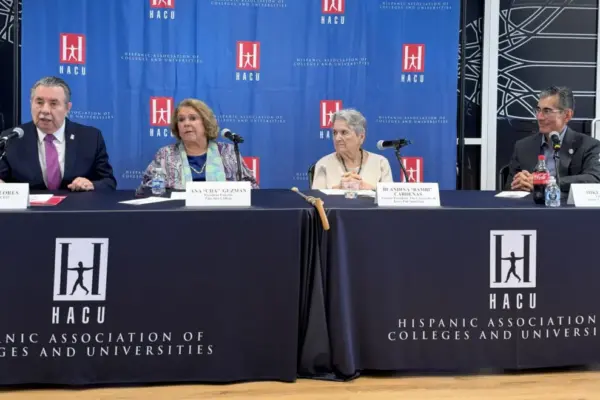











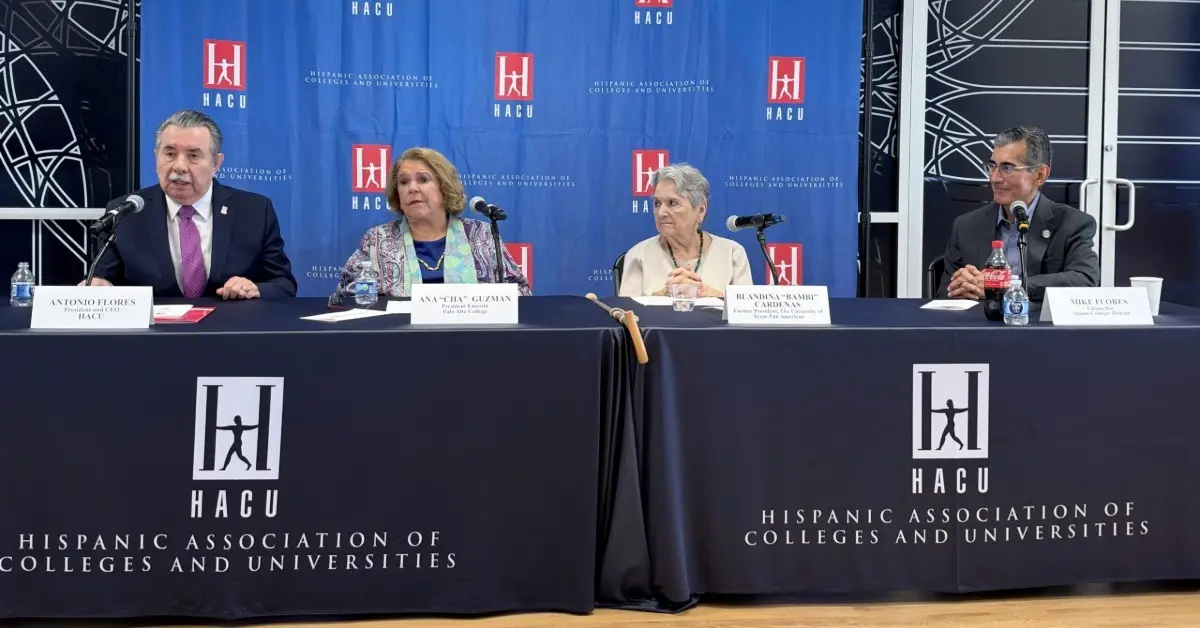
The Hispanic Association of Colleges and Universities, alongside Our Lady of the Lake University, recently hosted a momentous panel discussion titled “The Road to 40 Years: A Conversation,” marking a significant milestone in the organization’s history. Held on October 7, 2026, at the Our Lady of the Lake University campus in San Antonio, Texas, the event served as a cornerstone of HACU’s year-long 40th-anniversary celebration. The gathering brought together prominent figures in higher education to reflect upon four decades of advocacy, academic advancement, and institutional growth on behalf of Hispanic-Serving Institutions and the millions of students they educate across the nation and beyond.
The panel featured a distinguished group of higher education leaders who have profoundly shaped both the trajectory of HACU and the broader landscape of educational equity. Among the speakers was HACU President and CEO Antonio R. Flores, whose long-standing leadership has steered the organization through decades of remarkable expansion and legislative advocacy. He was joined by Mike Flores, Chancellor of the Alamo Colleges District and immediate past chair of the HACU Governing Board, who brought vital insights regarding community college systems and regional educational pipelines. The conversation was further enriched by the perspectives of Blandina “Bambi” Cárdenas, former president of the University of Texas-Pan American, and Ana “Cha” Guzman, president emerita of Palo Alto College. Both women are recognized pioneers in the advancement of Hispanic higher education, having spent their careers breaking barriers and expanding academic access for underrepresented student populations. The dialogue was expertly moderated by OLLU President Abel A. Chávez, who guided the conversation through historical reflections and forward-looking strategies.
This gathering of institutional leaders was more than a ceremonial look backward; it was a profound exploration of how an organization born out of necessity in a single conference room has transformed into a global champion for educational access. The conversation allowed panelists to delve deeply into the historical milestones, hard-fought accomplishments, and ongoing advocacy efforts that have defined HACU’s existence. Furthermore, the discussion addressed the contemporary challenges currently facing Hispanic-Serving Institutions—commonly known as HSIs—while thoughtfully mapping out future opportunities to ensure that these institutions remain robust, adequately funded, and fully equipped to serve shifting demographic landscapes and workforce demands.
The roots of the Hispanic Association of Colleges and Universities run deep in the soil of San Antonio, tracing back to a pivotal meeting held in 1986 at Our Lady of the Lake University. At that foundational gathering, representatives from just 18 charter member institutions came together with a shared vision: to create an organization that would give a unified voice to colleges and universities enrolling significant numbers of Hispanic students, ensuring they received the recognition and resources necessary to fulfill their educational missions. Over the past four decades, that modest coalition of 18 schools has experienced exponential growth, evolving into a powerhouse association that now encompasses a vast network of member institutions across the United States, Latin America, and Spain. Throughout this remarkable expansion, HACU has remained steadfast in its core mission to champion Hispanic-Serving Institutions, advocate for federal and private support, and create transformative opportunities for student success in an increasingly interconnected global economy.