






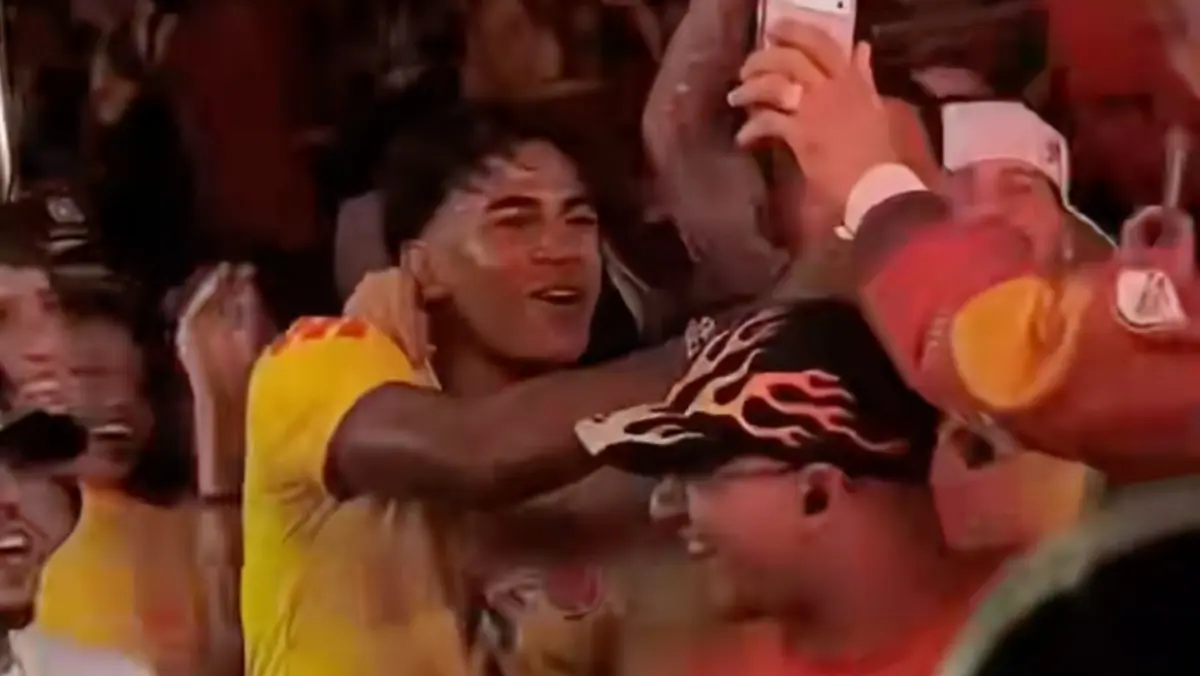
Fresh off leading Spain to victory at the 2026 FIFA World Cup at just 19 years old, teenage football phenomenon Lamine Yamal traded the pressure of the pitch for the vibrant streets of Medellín, Colombia. Eschewing the conventional, heavily guarded celebrity hotspots favored by elite athletes, the FC Barcelona star chose to spend his hard-earned vacation immersing himself in the heart of Colombian culture. From singing anthems alongside local artists in the bustling neighborhood of Comuna 13 to proudly sporting a Colombia national team jersey on social media, Yamal’s spontaneous getaway quickly became a viral sensation, bridging the gap between European football royalty and South American street culture.
The visit, which took place ahead of Yamal’s return to club commitments in Spain, immediately drew massive crowds. Word of the young champion’s presence spread rapidly through the city, culminating in an unforgettable gathering in Comuna 13. There, prominent Colombian singer Ryan Castro was filming a live DJ set against a backdrop of eager fans who had converged on the area in anticipation of Yamal’s arrival. The resulting atmosphere was one of unfiltered celebration, showcasing the relaxed, unpretentious side of a player who has spent his formative teenage years under the relentless microscope of international sports media.
What Happened in Comuna 13
The pinnacle of Yamal’s urban excursion occurred when he joined Ryan Castro and popular internet streamer Westcol in front of hundreds of ecstatic onlookers. Embracing the local musical pulse, Yamal enthusiastically sang along to "El Ritmo que nos une," a track that holds immense emotional significance within contemporary Colombian football culture. Videos captured by fans and later shared widely across social media showed the young Spaniard effortlessly matching the rhythm, smiling, and interacting naturally with the crowd and the artists around him.
Rather than remaining a passive observer behind a VIP barricade, Yamal engaged directly with the environment. He publicly expressed his gratitude to Ryan Castro, describing the opportunity to visit the neighborhood as an absolute pleasure and praising the overwhelming warmth and hospitality shown to him by the Colombian people throughout his travels.
The gathering also served as a milestone for Castro, who used the high-profile moment to promote his latest musical release, a heartbreak anthem titled "Mentira." Filmed across the distinctive rooftops and winding streets of the Pedregal neighborhood, the video release coincided perfectly with a moment that Castro and his fans celebrated as a cultural crossover for the city.
Yamal’s digital footprint during the trip further reinforced his genuine appreciation for the local scene. On his official TikTok account, the young forward shared footage of himself dancing and singing to "Vitamina" by Colombian artist DFZM, all while wearing a full Colombia national team kit complete with his own name printed on the back. For fans watching online and on the ground, the gesture felt remarkably authentic, reflecting a teenager deeply enjoying a culture far removed from his Catalan roots.
The World Cup Champion Who Was Once a Baby in a Photo With Messi
Yamal’s vacation in Medellín comes on the heels of a historic summer on the global stage. As a central figure in Spain’s triumphant 2026 World Cup campaign, Yamal solidified his status as a generational talent, delivering mature, decisive performances that carried his national team to the ultimate prize. The tournament culminated in a high-stakes final in which Spain defeated Argentina, producing one of the most poignant and talked-about images in the history of modern sport: an embrace between Yamal and Argentine legend Lionel Messi on the pitch immediately after the final whistle.
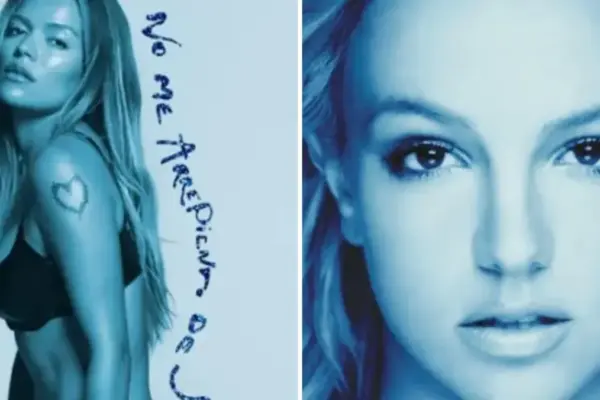
The emotional weight of that moment was compounded by a piece of football folklore that resurfaced across the globe during the tournament. Nearly two decades prior, a photograph had been captured of a very young Lionel Messi gently holding an infant Lamine Yamal during a charity calendar photoshoot. At the time, neither could have foreseen the paths their lives would take.
Seeing the two players meet again on a World Cup final pitch—this time as fierce competitors, with Yamal ultimately lifting the trophy on the winning side—provided a cinematic narrative arc that captivated sports fans worldwide. While Messi orchestrated a brilliant tournament of his own, it was the teenage Spaniard who claimed the ultimate glory, creating a striking visual contrast of two photographs separated by a lifetime, yet bound by the continuous evolution of football history.
Why Yamal’s Trip to Colombia Matters
Lamine Yamal’s journey to South America carries a unique cultural significance. Born in Catalonia to a father from Equatorial Guinea and a mother from Morocco, Yamal holds no direct ancestral ties to Colombia. Yet, his instinctive decision to spend his post-World Cup respite exploring the hills of Medellín, navigating Comuna 13 without heavy security protocols, and engaging directly with local artists highlights a distinct personality. At just 19 years old, he appears entirely comfortable operating outside the sterile, controlled environments typically constructed for elite athletes.
The reception in Colombia was overwhelmingly positive. The country’s affection for the young Spaniard grew not merely out of his status as a newly minted world champion, but because of his willingness to embrace local traditions with humility and enthusiasm. For Medellín—a city that has spent the past two decades successfully reshaping its international reputation, culture, and artistic footprint—hosting a global sports icon who chose the city over predictable, ultra-luxury resort destinations was a notable endorsement.
Through the efforts of artists like Ryan Castro and Westcol, Yamal was offered an unfiltered experience of the city’s creative pulse. In return, the teenage phenomenon offered his time, his voice, and a genuine participation in the daily rhythm of Colombian life, leaving an impression that transcended the sport of football itself.