

The 2026 FIFA World Cup officially kicked off on Thursday, June 11, with a high-stakes opening match between Mexico and South Africa at the historic Estadio Azteca in Mexico City. Marking a monumental milestone for the global sport, this year’s tournament is officially the largest World Cup in history, expanding to a 48-team format and shattering previous logistical boundaries. It is also a historic collaborative effort across North America, with the United States hosting the lion’s share of the competition—78 out of the tournament’s total 104 matches—while co-hosts Mexico and Canada each stage 13 matches across their respective host cities.
Yet, despite the unprecedented scale of the tournament and its historic footprint across three nations, mainstream cultural conversations in the United States have continued to circle back to a familiar, cyclical debate: whether Americans will finally embrace "fútbol" on a permanent, mainstream basis. Major media outlets, including prominent cultural commentary from The New York Times and The New Yorker, have once again dedicated considerable column inches to questioning the depth of American soccer fandom. Amid these analytical think pieces, it is difficult to pinpoint a single, definitive reason, but there remains a pervasive sense among mainstream sports analysts that this year’s tournament is not being met with the roaring, unified level of domestic anticipation many expected from such a landmark global event on home soil.
However, for millions of Latines across the United States, the World Cup has never simply been about 90 minutes of regulation play, tactical formations, or box scores.
For U.S.-born and immigrant Latines alike, the tournament transcends sports, functioning instead as a vibrant, living celebration of culture, transnational identity, and generational pride. This deep intersection of sport and lifestyle is further highlighted by data from platforms like Pinterest, whose newly released Summer Trend Report for 2026 demonstrates that sports fandom is increasingly evolving into a lifestyle trend. The cultural shift is actively influencing everything from street style to beauty and wellness routines. According to the platform, there has been a notable surge in digital searches for World Cup-inspired fashion, including customized jersey outfits, vintage tracksuits, and aesthetic nods to powerhouse national teams like Brazil, Mexico, and Colombia. For a massive segment of the population, soccer is not merely a spectator sport observed from a living room couch; it is an active lifestyle, a visual language, and an expression of heritage that is worn and lived out loud.
The visual manifestation of this cultural phenomenon was on vivid display during the tournament’s opening weekend. In a city like New York, which acts as a bustling nexus of diverse immigrant communities and overlapping celebratory calendars, the energy was palpable. This past weekend offered a whirlwind of civic pride and sporting triumphs: sports fans spilled into the streets celebrating the New York Knicks’ championship run on Saturday night, while thousands of residents flooded the avenues of Manhattan on Sunday afternoon for the annual Puerto Rican Day Parade, waving flags and turning the city’s grid into a sea of crimson, white, and blue.
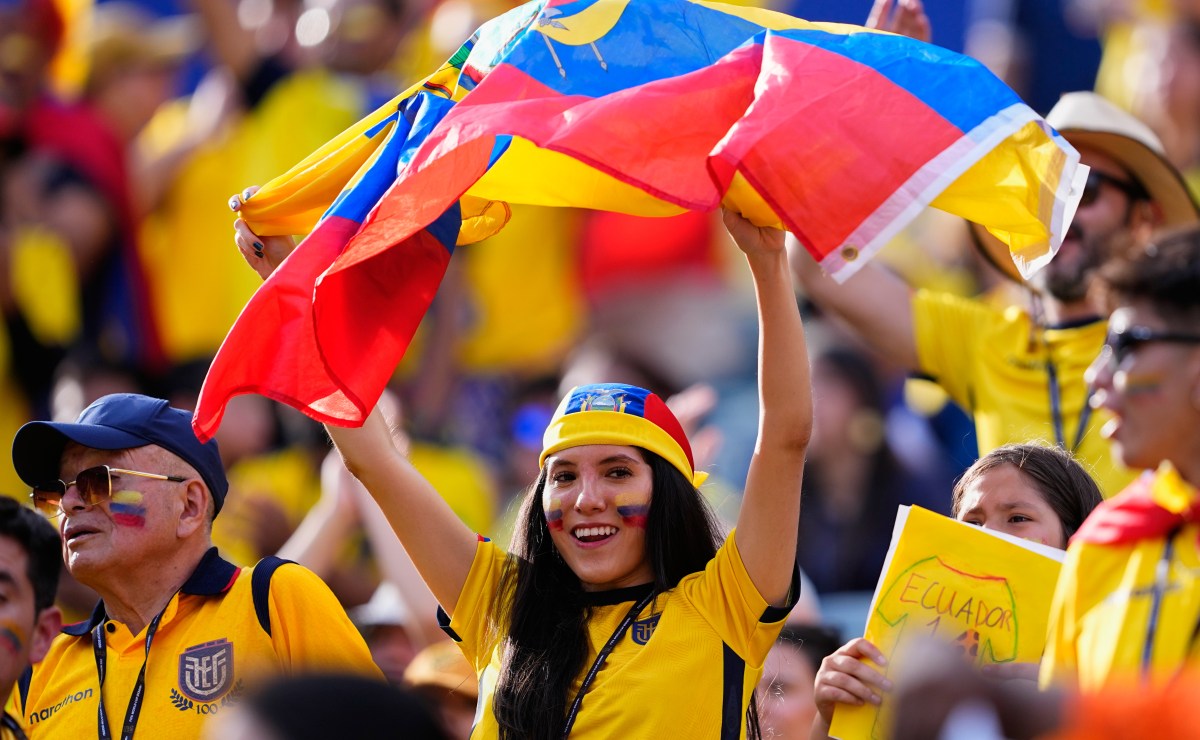
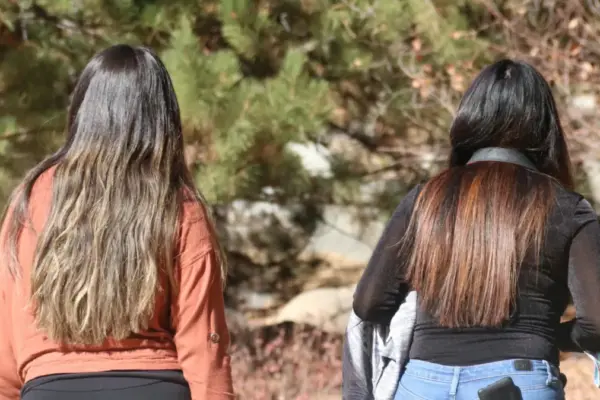
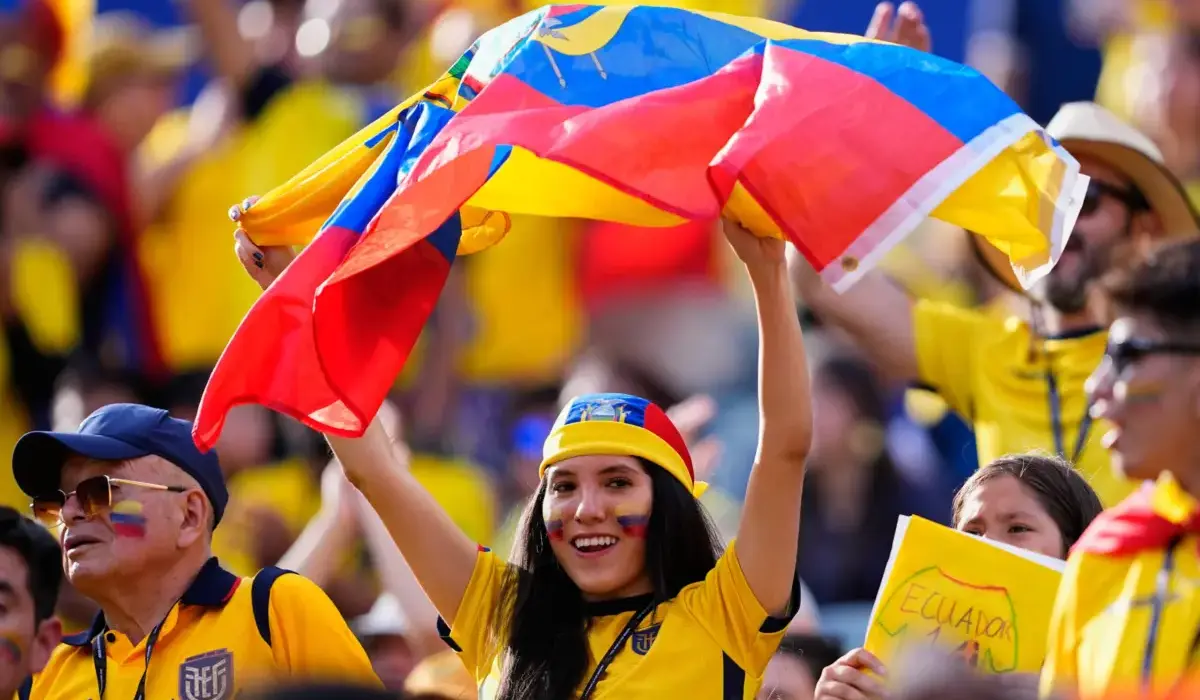
Yet, woven seamlessly into this tapestry of local celebrations, a distinct subcurrent was impossible to miss. Amid the Knicks jerseys and the ubiquitous Puerto Rican flag merchandise, plenty of fans—with Latina women standing out in particular—could be spotted throughout the neighborhoods of Queens and Manhattan proudly sporting the colors of Brazil, Mexico, and Colombia. These supporters were not just wearing team jerseys; they were fully decked out in curated street style, blending national pride with contemporary fashion.
To dismiss these displays as mere trendsetting or seasonal fashion would be to miss the deeper cultural undercurrent at play. For many Latinas and Latines living in the United States, the 2026 World Cup has arrived as an invaluable, highly visible opportunity to publicly and unapologetically celebrate their roots, their ancestral heritage, and the specific nations and communities their families hail from. This assertion of identity holds profound weight in the current socio-political climate. At a time when many Latines across the country feel increasingly targeted by harsh anti-immigrant rhetoric, sweeping political polarization, and persistent discrimination, the loud, joyful expression of cultural heritage feels more meaningful—and perhaps more necessary—than ever before. In many ways, communities are finding that they need this World Cup as a psychological and cultural anchor.
Now that the matches are officially underway, the tournament has come to symbolize something that Latines do not always experience in abundance within mainstream American media and civic life: moments that make communities feel genuinely seen, culturally celebrated, and undeniably woven into the broader fabric of American society. That sense of inclusion and collective effervescence is precisely what the FIFA World Cup is offering this summer.
Because of this deeper cultural resonance, regardless of whether someone considers themselves a die-hard soccer aficionado or someone who only tunes in once every four years, the tournament extends a compelling invitation to Latines across the country. It offers a rare, communal platform not just to cheer for a preferred national squad, but to celebrate collective identity in community with others who share similar backgrounds, histories, and lived experiences.
As the tournament progresses through its group stages and moves toward the knockout rounds, the matches serve as a powerful reminder that sports can transcend the boundaries of the pitch. At a moment when political rhetoric attempts to marginalize immigrant and minority populations, events like the World Cup provide an open canvas for communities to celebrate their roots, their rich cultures, and their homeland ties loudly, proudly, and without reservation. No matter how the political climate shifts, human joy, cultural pride, and resilient community solidarity remain enduring forces that no administration or sociopolitical pressure can take away.