





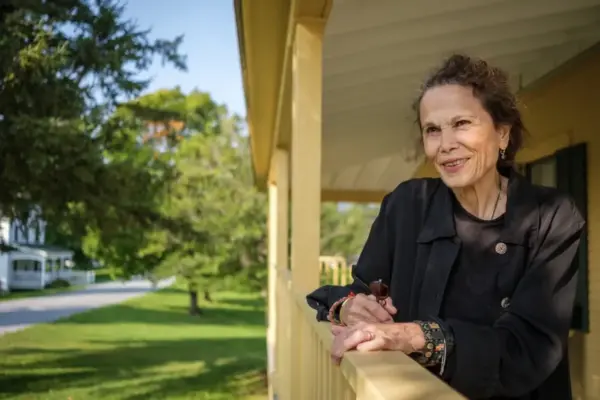


Mexico City remains the largest urban center in North America, a unique, elastic, and ever-changing patchwork of food traditions. As a native of the city and a food writer covering the local scene for the past 14 years, the captivating energy and sheer scale of CDMX continue to inspire wonder. Since Eater first began reporting on Mexico City’s dining scene in 2016, the ways people travel and dine out have undergone a profound transformation. Food-obsessed travelers visiting the capital are frequently guided by opaque and controversial award systems, such as the World’s 50 Best Restaurants and, since 2024, the arrival of the Michelin Guide. Yet, beneath the international accolades, an expansive and dynamic culinary movement thrives across the city’s neighborhoods.

Over the years, observers have witnessed CDMX’s growing openness to diverse regional cuisines and its enduring fascination with shifting trends. More notably, a quiet passing of the torch is underway. The pioneering chefs who launched Mexico City onto the international culinary stage more than two decades ago are beginning to hand the baton to a new generation of restaurateurs and cooks. Having traveled the world and honed their skills in elite global kitchens, these young professionals are returning home to continue their culinary journeys, bringing distinctive points of view, a clear commitment to hospitality, and vibrant energy to the kitchen.

To help diners navigate this sprawling metropolis, local culinary experts curate a rolling directory highlighting essential destinations for both first-time visitors and seasoned gourmands. Focusing on establishments that possess a distinct culinary point of view, a dedication to hospitality, and young local talent, the map is updated regularly to reflect the fast-paced shifts of the local dining landscape. Write-ups span a broad price range—from quick, inexpensive neighborhood spots where most dishes cost under ten dollars, to high-end tasting rooms where entrees exceed thirty dollars.

The Evolving Neighborhood Scene and Fall Additions
Recent additions to the city’s culinary map traverse a wide array of neighborhoods and moods, capturing the multifaceted nature of dining in the capital. Among the notable entries is a reinvention of Lalo, a long-standing favorite in Roma Norte, which has transformed into an Italian-inspired concept under the guidance of chef Eduardo García and Gaby López after a comprehensive nine-month renovation. Diners can also explore El Distrito Fresco, a casual seafood spot situated near the Monumento a la Revolución plaza that blends the nostalgia of the old Distrito Federal with the lively atmosphere of a daytime cantina.

For those looking to cap off an evening with a drink, experimental bars like FO+MA offer high-end cocktail programs rooted in culinary techniques such as fermentation, clarification, and distillation. Meanwhile, in the Doctores neighborhood, spots like Los Pacientes bring a mix of Mexico City-style tacos and Northern Mexican vibes to late-night eaters, complementing the city’s endless appetite for exceptional street-level and neighborhood dining.

Exploring Centro Histórico and Rooftop Dining
A rapid-fire overview of the city’s street food scene often begins in the Centro Histórico, where curated walking tours guide visitors through curb-side gems and historic taquerias. Groups like Club Tengo Hambre provide an accessible entry point for food geeks and travelers who might otherwise find navigating downtown’s bustling street food culture intimidating.

Just a short distance away, perched on a rooftop behind the Metropolitan Cathedral, Charco represents one of the strongest casual dining experiences in the historic center. Led by chef Ricardo Verdejo, the restaurant avoids fuss and complication in favor of solid service and creative dishes, ranging from farmer’s market crudités with gorgonzola dip to grilled catches of the day with seafood beurre monté.

Architectural Restorations and Neighborhood Hotspots
Across the city in the Juárez neighborhood, historic properties continue to find new life as destination dining venues. Taverna occupies a restored 1906 townhouse on General Prim Street, offering a candlelit, Mediterranean-inspired menu featuring smoked and fire-cooked dishes. Nearby, El Minutito channels European coffee culture by morning before transforming into an intimate wine and aperitif bar after dark, strictly discouraging remote workers with laptops in favor of vibrant social interaction and conversation.

Also making waves in Juárez is Cananea, a wood-paneled bar tucked inside the historic Posada Viena hotel. Revamped by Baja chef Jair Téllez, the venue retains its original red-lit atmosphere and mezzanine pool table while serving Northern-inspired bar snacks like quesabirrias and chivichangas alongside classic cocktails and natural wines. Similarly, Taller de Ostiones by FISM offers a concise, seafood-only menu highlighting sustainably sourced oysters and clams from Baja California Sur in a secluded patio setting.

Roma Norte’s Diverse Culinary Tapestry
Roma Norte remains a epicenter of culinary experimentation, hosting an array of innovative bistros, wine bars, and specialty concepts. Fugaz, led by chef Giuseppe Lacorazza, sources seasonal seafood from the expansive Mercado de la Viga to craft homey dishes that blend Mexican influences with global flair, such as avocado tostadas with furikake and comforting seafood soups. Nearby, Sarde pairs an unpretentious, open-kitchen atmosphere with Corsican- and Sardinian-inspired seafood plates crafted by chef Jacob Harth and restaurateur Enrique Lascuráin.

For diners seeking European-style indulgence, Ultramarinos Demar offers an eclectic seafood menu featuring everything from zarandeado-style grilled fish to lobster rolls and caviar, served by waitstaff in crisp white jackets. The neighborhood also plays host to intimate spots like Lotti, where chef Luc Liebster fuses his Swiss fine-dining background with Mexican ingredients in a 1915 Porfirian mansion, and Voraz, a gastropub housed in a former auto repair shop that serves inventive plates like salty churros with cotija cheese sauce.

Traditional Roots and Modern Interpretations
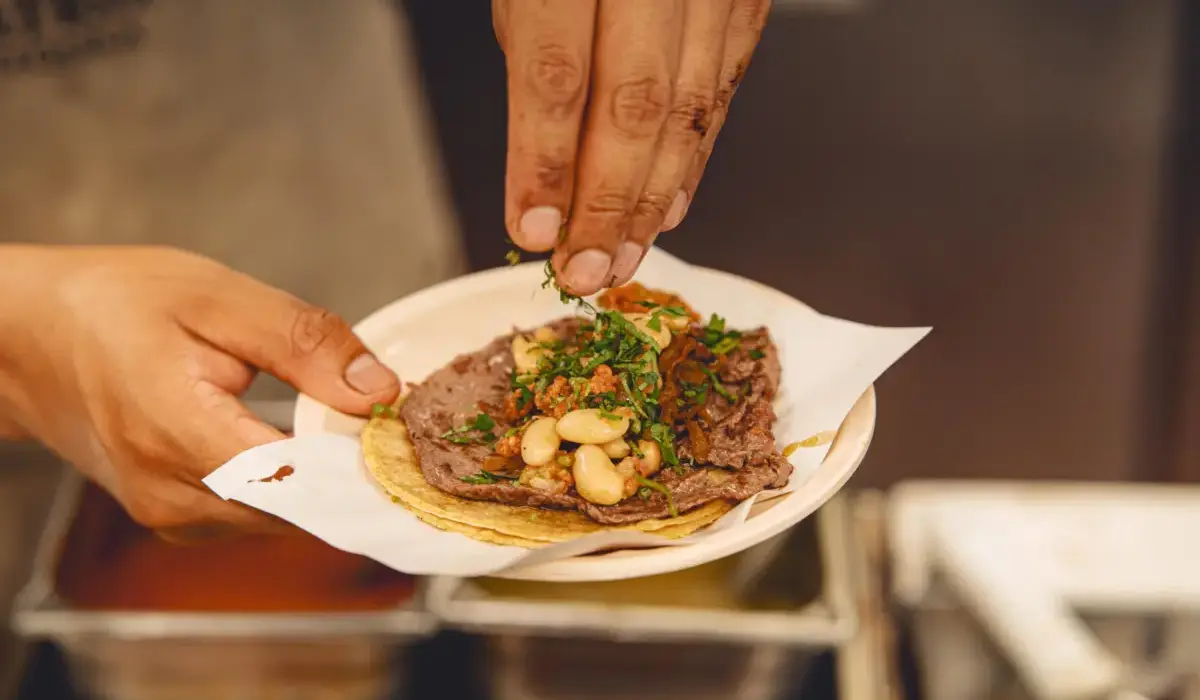
While contemporary European and international influences shape many new establishments, traditional Mexican flavors remain deeply anchored in the city’s identity. At El Gran Abanico in the Tránsito neighborhood, locals line up for exceptional carnitas served by the plate or in tacos laden with a mix of lean and fatty pork. Meanwhile, restaurateur Gabriela Cámara’s Castacán taps into Yucatecan culinary traditions, serving cochinita pibil, roasted suckling pig, and crispy pork belly within a vibrant, pink-tiled space in the heart of the city.

High-end tasting menus also continue to push boundaries, marked by the arrival of Xuna, led by Michelin-starred chef Jonatan Gómez León. Drawing on ancient Mayan heritage and executed by head chef Efrén Oswaldo Chan, the restaurant offers a refined exploration of Mexican regional cuisines through visually striking dishes such as tetelas with seasonal insects and chicatana mole.

As Mexico City’s food scene moves forward, the interplay between time-honored neighborhood traditions and the creative ambitions of a new generation ensures that the capital remains one of the most compelling culinary destinations in the world.