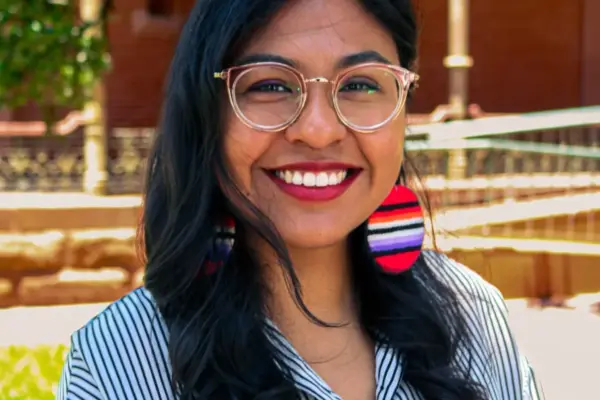










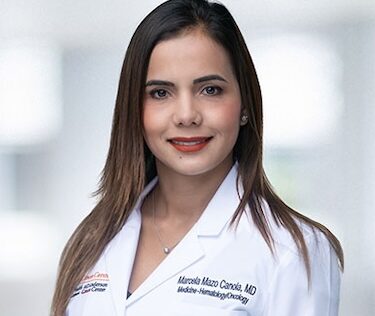
As a young girl growing up in Colombia, Dr. Marcela Mazo Canola was not entirely sure what professional path she would ultimately walk, but she harbored a singular, unwavering ambition: she wanted to make a tangible difference in the lives of people. Whether through politics or public health service, her childhood aspirations were deeply rooted in a desire to uplift others. Today, Dr. Mazo Canola is fulfilling that lifelong dream as a dedicated breast medical oncologist at the Mays Cancer Center at UT Health San Antonio. In this role, she treats patients and drives forward critical research aimed at improving health outcomes and closing equity gaps for Latinos and diverse populations alike.
Reflecting on her journey, Dr. Mazo Canola often marvels at how her career has aligned with her childhood visions. Although she chose a different arena than politics, the core mission remains identical. During Hispanic Heritage Month, health advocacy networks like Salud America! routinely highlight healthcare heroes and community figures who strive every day to enact meaningful change. Dr. Mazo Canola’s story stands as a powerful testament to the impact of culturally competent care, rigorous scientific inquiry, and relentless community dedication in San Antonio and far beyond.
Rooted in Helping Others
Dr. Mazo Canola’s profound appreciation for human compassion and community care was forged early in life in Colombia. While weighing potential career paths such as politics or public health administration, she ultimately gravitated toward medicine as the most direct avenue to alleviate human suffering. Growing up in a developing nation exposed her firsthand to profound disparities in healthcare access and quality. Witnessing these systemic imbalances instilled in her a lifelong commitment to medical equity.
She pursued her foundational education at CES University in Colombia, where she earned her medical degree. Seeking to expand her clinical expertise and research capabilities, she subsequently relocated to the United States. She arrived at UT Health San Antonio, embarking on an intensive professional chapter that included a dedicated year of research, an internship, and a residency in internal medicine. Her exceptional dedication and clinical acumen during this period were formally recognized when she was honored with the Outstanding Resident Medicine Clerkship award. Following her internal medicine residency, she completed specialized fellowship training in hematology and medical oncology, laying a robust foundation for her future contributions to cancer care. Throughout her training, she maintained a steadfast focus on ensuring that every patient receives care of uncompromising quality, regardless of their background.
A Calling to Oncology
An early, pivotal experience during her residency solidified her career trajectory and illuminated the profound importance of culturally relevant patient care. Encountering patients early in her clinical rotations, she immediately noticed a striking shift in their demeanor and comfort levels simply because she was able to converse with them in Spanish. This realization opened her eyes to the hidden barriers, particularly language obstacles, that frequently compromise healthcare access and lead to substandard health outcomes for minority populations.
That realization planted a seed that would permanently shape her professional philosophy. It inspired her to dedicate her medical career to serving the Latino population to the absolute limit of her capacity. Later, while working as an intern in oncology departments, she observed the intricate dynamics of the doctor-patient relationship in cancer care. The combination of deep, compassionate human connection and rapid scientific advancement captivated her. She recognized oncology as the ideal intersection where she could practice cutting-edge medicine while providing compassionate, frontline service to vulnerable individuals.
A Passion for Research
After spending several years establishing her career as a medical oncologist and hematologist serving communities in South South San Antonio, Dr. Mazo Canola returned to UT Health San Antonio in 2021 to channel her energy specifically into breast oncology. In her current clinical practice, she evaluates and treats patients facing breast cancer diagnoses or pre-malignant conditions. Navigating these complex diagnoses requires a collaborative multidisciplinary approach, with Dr. Mazo Canola working closely alongside surgical oncologists and radiation oncologists to deliver comprehensive chemotherapy and treatment plans.
Beyond her demanding clinical responsibilities, her professional life involves a dynamic mix of academic research and institutional collaborations. Presently, she is spearheading a research project focusing on germline mutations within the Latina population. Germline mutations are genetic alterations present in reproductive cells that can be inherited from parents. Certain mutations are known to elevate lifetime risks for various cancers, including breast cancer. Alarmingly, Dr. Mazo Canola’s work highlights that the Latina population often carries specific genetic mutations that have not even been formally described in existing medical literature.
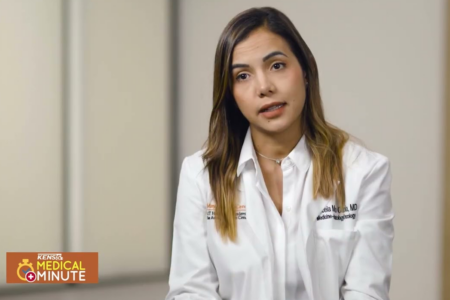
This ongoing research is vital for understanding the true baseline cancer risks confronting Latino patients. As a Latina clinician-scientist, Dr. Mazo Canola feels a deep personal and professional responsibility to educate her community about the necessity of genetic testing and clinical trial participation. Emerging data suggests that tumors in Hispanic women frequently display a genetic mix characterized by more aggressive biological behavior compared to non-Hispanic populations. By uncovering these biological nuances, Dr. Mazo Canola hopes to significantly reduce the heavy burden of cancer within the community.
Latina Representation in the Clinical Setting
Representation matters profoundly in medicine, a principle Dr. Mazo Canola witnesses daily in her practice. Extensive data demonstrates that patients often experience reduced anxiety and greater trust when treated by physicians who share their language, cultural background, and lived experiences. By providing a familiar and welcoming environment, culturally competent providers can break down deep-seated hesitations regarding the healthcare system.
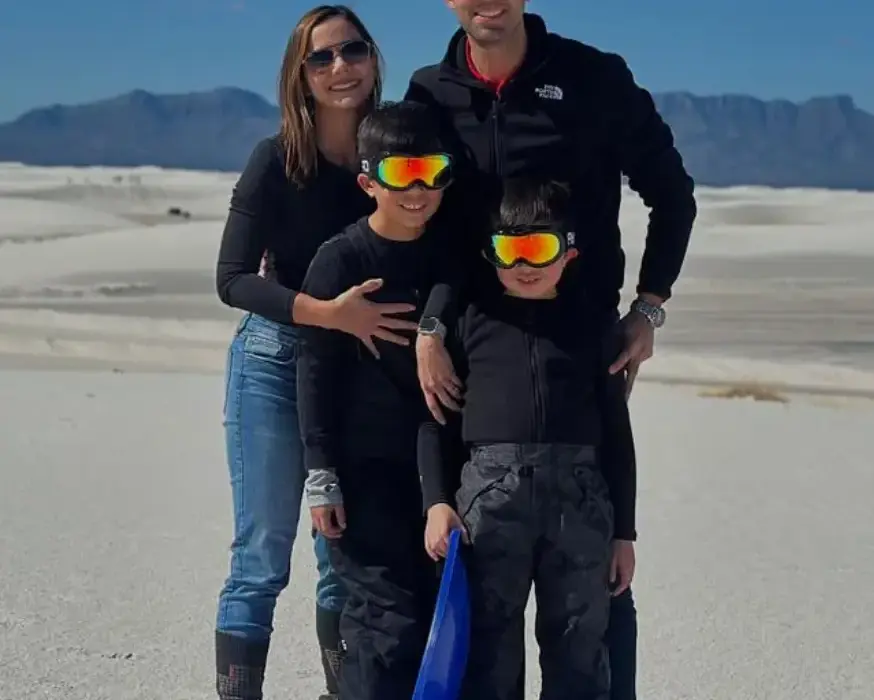
While the emotional and physical demands of oncology can occasionally weigh heavily, Dr. Mazo Canola remains continuously energized by the opportunity to advance research and by the love of her family, particularly her two sons. She strives to set a positive example for her children while living out her childhood dream every single day. For her, the privilege of making a tangible difference in a patient’s life is priceless, even as she acknowledges the broader systemic hurdles standing in the way of universal healthcare access. Outside the hospital walls, she enjoys spending her personal time traveling, cooking, exercising, and watching soccer matches alongside her husband and sons.
Looking to the Future
Looking ahead, Dr. Mazo Canola remains fiercely dedicated to pushing the boundaries of breast oncology and unraveling the distinct biological mechanisms driving cancer in Latino populations. She is convinced that these discoveries will pave the way for more targeted, effective interventions in the future. For young Latinos aspiring to enter the medical field, her message is straightforward and encouraging: achieving one’s goals requires sustained, diligent effort, but the journey is endlessly rewarding.
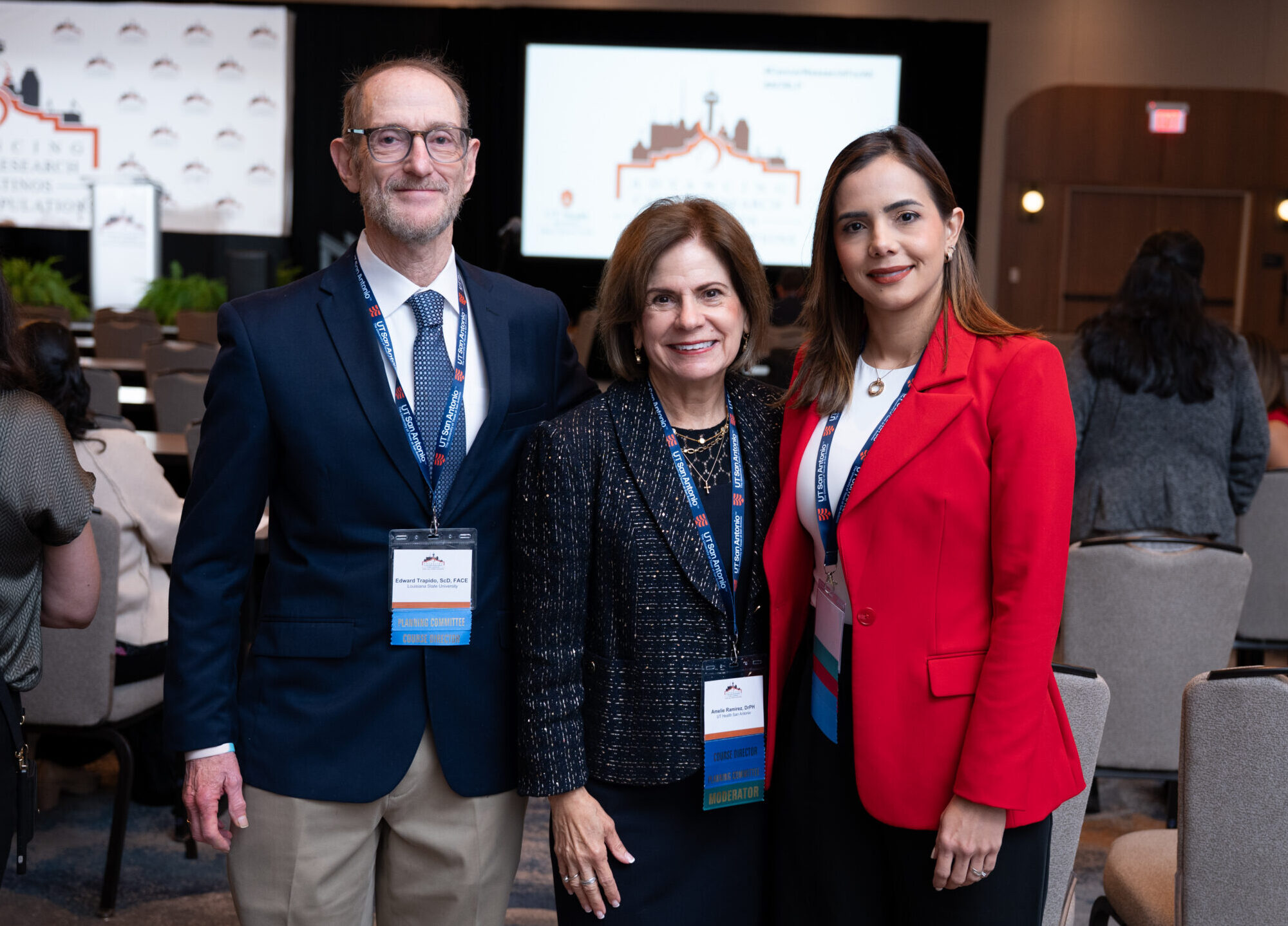
The intersection of compassionate clinical care, cutting-edge research, and comprehensive institutional support creates an environment where every professional aspiration can flourish. For Dr. Mazo Canola, walking into the Mays Cancer Center and utilizing every available resource to help those in need represents the realization of a lifelong dream.
Clinical research remains a cornerstone in the ongoing effort to transform health outcomes and rewrite the trajectory of aggressive diseases. Clinical trials are carefully structured scientific studies involving volunteers that explore innovative methods to detect, prevent, and treat medical conditions. Organizations like Salud America! actively work to amplify open clinical trials and share the personal accounts of Latino participants to demystify the research process.
As Dr. Mazo Canola emphasizes, clinical trials are the primary engine driving medical progress forward. Patients and community members in the San Antonio area interested in exploring available research opportunities can consult the Find a Clinical Trial database maintained by the Mays Cancer Center at UT Health San Antonio to review active studies and specific eligibility guidelines. On a broader national scale, individuals can visit clinicaltrials.gov to locate ongoing medical studies within their local regions.