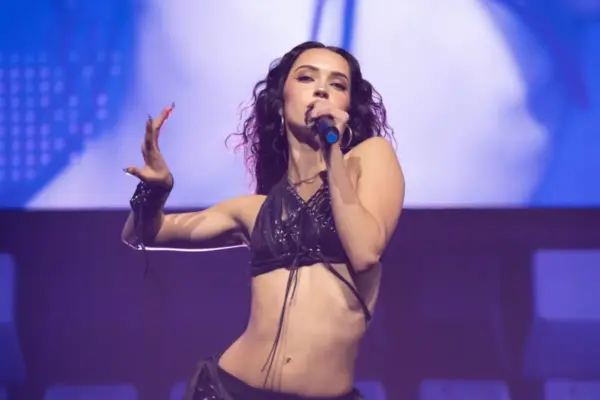







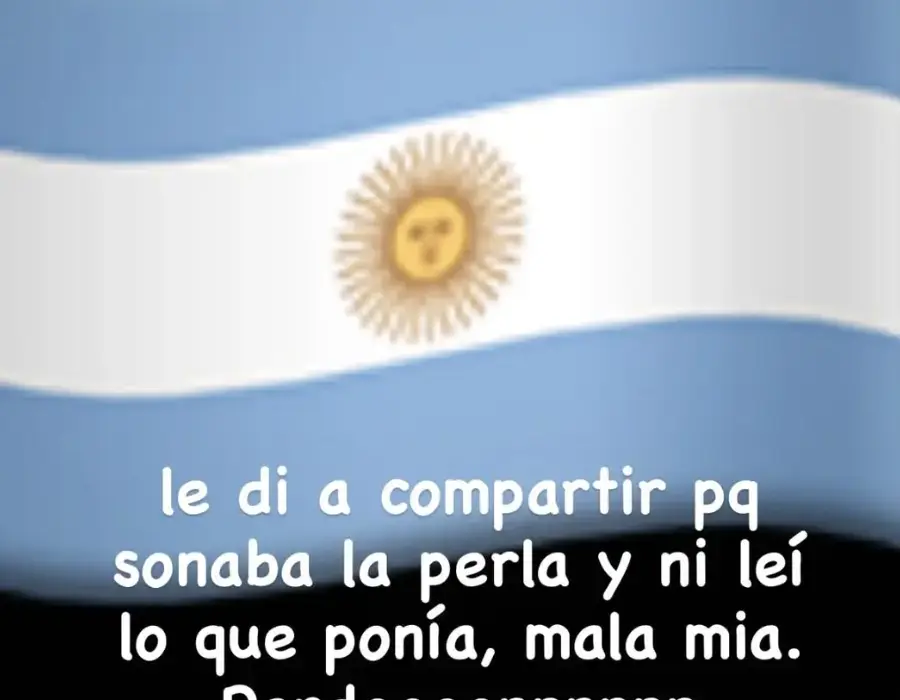
The 2026 World Cup final between Spain and Argentina at MetLife Stadium in New York produced a clear winner on the pitch, but it also triggered an unprecedented avalanche of controversy off it. In the hours and days that followed the tournament’s climax, social media filled with commentary that extended far beyond traditional football analysis into cultural and political territory that Argentine fans found considerably difficult to ignore or brush off. Amid this digital storm, Spanish pop superstar Rosalía found herself at the center of an unexpected international controversy, ultimately issuing a public apology to Argentine fans after a seemingly casual social media repost set off a fierce reaction she clearly did not anticipate.
The timing of the incident added immense pressure to the situation, as the singer has four major scheduled concerts at the Movistar Arena in Buenos Aires coming up in August. What began as a routine digital interaction quickly escalated into a cross-border cultural debate, highlighting the fragile nature of celebrity engagement during high-stakes global sporting events.
How It Started and Why It Escalated
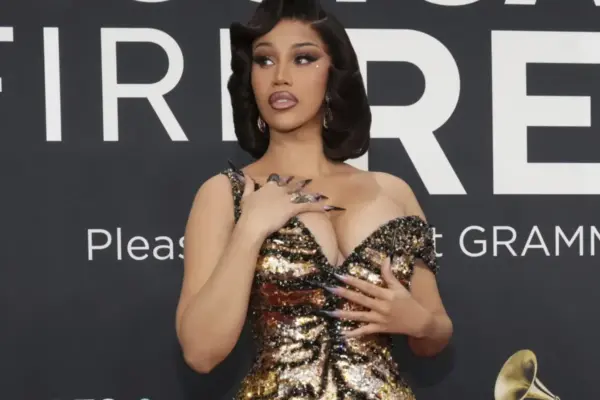
The sequence of events began the day after Spain’s decisive victory over Argentina. Mia Khalifa, the former adult film actress turned prominent social media personality, posted a video on TikTok filmed from a balcony during her stay in New York City. In the clip, Khalifa playfully lip-synced to a fragment of "La Perla," a song by Rosalía, and captioned the moment with an ironic line suggesting that this was what life sounded like now that the pearls had been defeated. The caption was a pointed and provocative reference to the Argentine supporters who had just watched their national team lose the World Cup final.
Shortly after Khalifa published the clip, Rosalía reposted the video on her own profile. The audio playing over Khalifa’s footage included lyrics describing local disappointment, national heartbreak, and the specific phrase "es una perla, nadie se fía." Within the context of Spanish colloquial language, this phrase carries a significantly heavier meaning than a casual music reference. In Spain, calling someone "una perla" is a sarcastic and derogatory expression used to describe an untrustworthy person, a cheat, or someone fundamentally lacking in integrity.
For Argentine fans, who were already processing the raw and painful emotions of a World Cup final defeat, the repost was not viewed as an innocent coincidence. Instead, they read it as a direct and intentional provocation from a prominent Spanish artist. Rosalía had been a visible and enthusiastic supporter of La Roja throughout the tournament, even appearing at the Spain versus Austria match where the Royal Spanish Football Federation shared official images of her celebrating alongside prominent footballer Alexia Putellas.
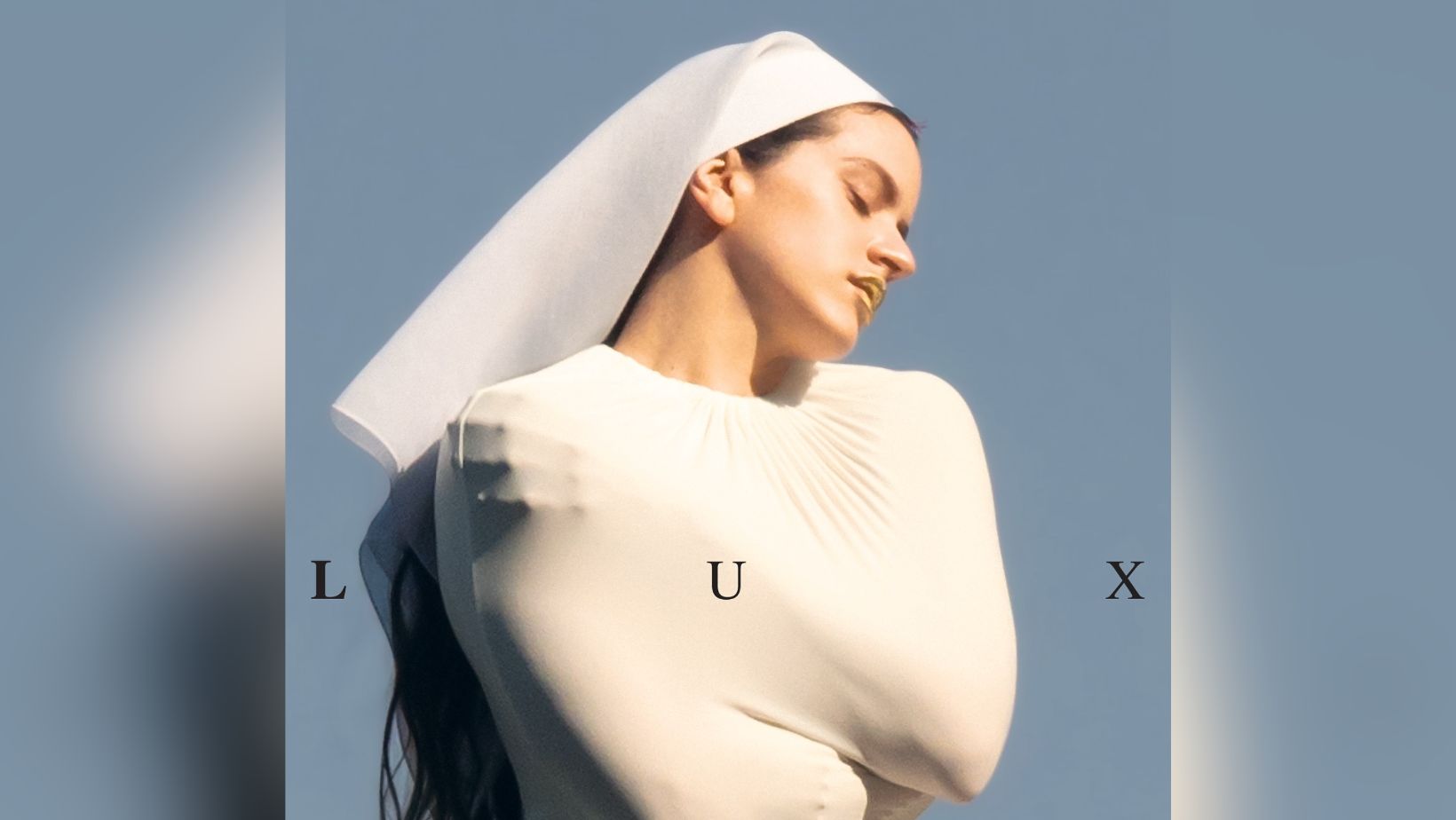
As a result, the comments section of Rosalía’s social media accounts filled rapidly with expressions of frustration and anger from Argentine supporters. The backlash carried a distinct commercial and logistical dimension alongside the cultural friction, given her upcoming string of arena performances in Buenos Aires, amplifying the pressure on her management team to address the situation quickly.
The Apology and What It Revealed About Social Media and Cultural Context
Faced with mounting criticism and a rapidly growing digital backlash, Rosalía chose to address the controversy directly. She published an explanation through an Instagram story, stating that she had reposted the video simply because she heard "La Perla" playing in the background. She emphasized that she had not read the accompanying caption before hitting the repost button, describing the incident as an honest mistake and asking her fans for forgiveness. To reinforce the sincerity of her message, she included nostalgic and apologetic emojis, making it clear that she had no intention of offending anyone or mocking the Argentine national team’s defeat.
While her explanation was plausible and the apology was issued relatively swiftly, the entire episode illustrated a recurring phenomenon at major international sporting events: the global reach of social media continuously collapses cultural context. This dynamic creates massive misunderstandings at an extraordinary scale and speed. A word, phrase, or colloquialism that carries one distinct meaning in Madrid can land entirely differently in Buenos Aires. A repost that takes only three seconds to execute can generate days of fierce controversy, requiring significantly more effort, time, and diplomatic maneuvering to contain.
The Bigger Pattern Around Argentina at This World Cup
Rosalía’s situation was not an isolated incident, but rather one prominent piece within a much broader wave of anti-Argentina sentiment that built steadily throughout the tournament and peaked around the final whistle. The digital landscape surrounding the event saw several high-profile international figures stumbling into cultural and political minefields regarding the South American nation.
Actor Samuel L. Jackson reposted an image describing Argentina as one of the most racist countries in the world, accompanied by an explicit call urging the Black community not to support the Albiceleste. Singer Patti Smith published and subsequently deleted an Instagram story that featured an AI-generated image of Lamine Yamal wearing a Palestinian kufiya, explicitly celebrating Spain as the moral victors of the match. Similarly, Irish musician and former One Direction member Niall Horan liked a social media post that included the provocative phrase "Las Malvinas are Spanish." This particular "like" triggered immediate and fierce backlash from Argentine fans, ultimately forcing Horan to issue his own formal apology.

The underlying pattern across all of these disparate incidents was remarkably similar: a public figure engaged with World Cup content in a way that directly touched a nerve specific to Argentine identity, national history, or cultural pride. This invariably drew an immediate and formidable reaction from the Argentine fanbase, serving as a reminder to global celebrities that Argentina’s supporters are exceptionally numerous, deeply vocal, and intensely active online.
The reference to the Malvinas, in particular, functions as a profound political and historical touchstone in Argentina rather than a casual conversational remark. It touches upon a national wound that has never fully healed, and international figures like Horan and their respective social media teams almost certainly lacked the contextual awareness to understand how those digital footprints would land before the metrics were already counted.
Ultimately, Argentina lost the World Cup final to Spain on the pitch. In the days that followed, however, they also found themselves involuntarily cast at the center of a sprawling social media conversation. This discourse had very little to do with traditional football tactics and everything to do with how the country is perceived internationally, how Argentine identity fits within the complex machinery of global pop culture, and how quickly a tournament that began as a unifying celebration can transform into something far more complicated once the final whistle blows and millions of people reach for their phones.