







By Anna Ortega
September 08, 2026 – 13:18
Growing up, the cinematic landscape offered a rare and vital lifeline for many Chicano and Latine audiences through iconic films like Selena, Blood In, Blood Out, Real Women Have Curves, and La Bamba. These foundational movies did much more than simply populate the silver screen with faces that reflected local communities; they served as cultural touchstones that taught generations how to take profound pride in their roots, embrace their heritage, and feel genuinely seen in a media landscape that frequently overlooked them.
For decades, these films have resonated deeply because they managed to transcend simple entertainment, reflecting the complex, multifaceted tensions that many families and individuals know intimately. They captured the delicate balance between pride and assimilation, the friction between tradition and independence, and the eternal tug-of-war between family loyalty and the burning desire to carve out a unique path and become something more. These cinematic narratives gave a voice to the bicultural experience, exploring the beauty and the struggle of navigating dual worlds without erasing the rich cultural fabric that held communities together.
Among these treasured cinematic works, Blood In, Blood Out carved out a gritty, uncompromising space that examined the harsh realities of systemic struggles, brotherhood, and survival. The film follows Chicano relatives Paco, Cruz, and Miklo as they navigate the devastating impacts of drugs, gang life, and violence within the urban landscape. Directed by Taylor Hackford, the epic crime drama did not shy away from depicting the darker, more painful aspects of marginalized life, yet it remained anchored in the fierce complexities of family ties and cultural identity. For many viewers, the film’s unflinching look at institutional barriers and personal redemption offered a stark contrast to the sanitized portrayals of minority communities often found in mainstream Hollywood productions of that era.
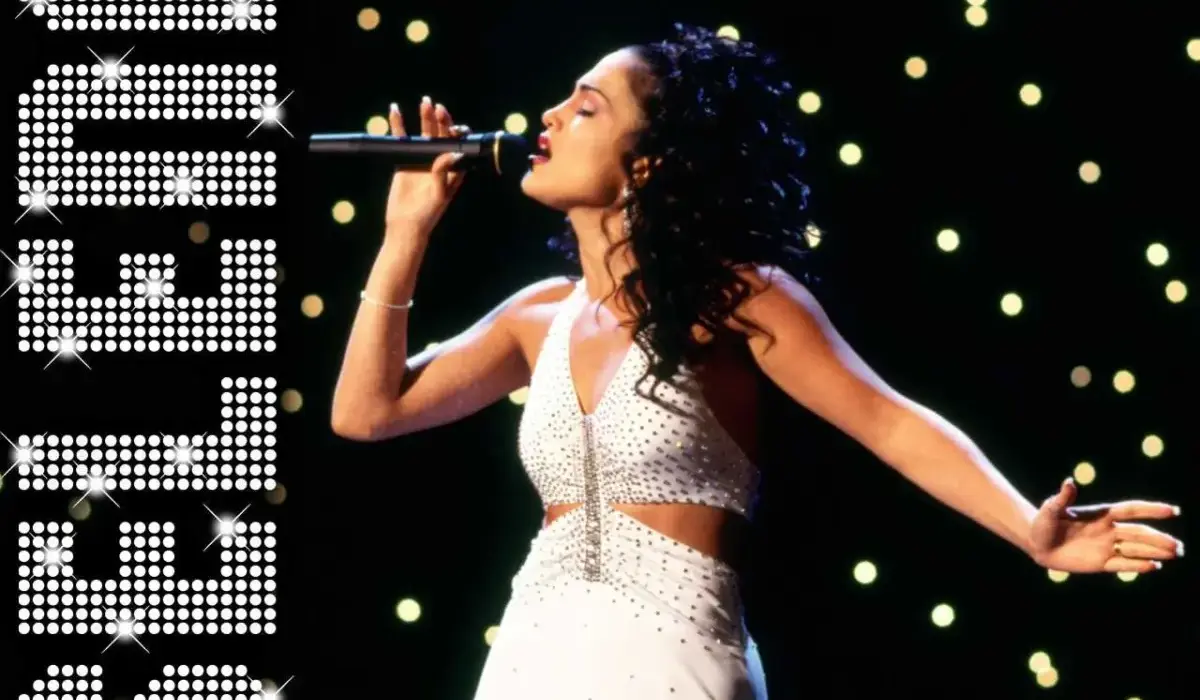
Equally monumental was the biographical musical drama Selena, centered on the vibrant life, meteoric rise, and tragic untimely death of the late Queen of Tejano music, Selena Quintanilla-Perez. Starring Jennifer Lopez in a career-defining breakout role, the film became an instant cultural phenomenon upon its release. It taught audiences across the country to embrace their bicultural roots, celebrating the beauty of moving fluidly between English and Spanish, and inspiring countless young people never to give up on their dreams, no matter how distant or unattainable they might initially seem. The film immortalized Selena’s infectious joy, her family’s steadfast dedication, and her enduring legacy as a musical icon who bridged cultural divides.

The theme of multigenerational resilience found another powerful expression in Mi Familia, also known as My Family or East L.A., directed by Gregory Nava. This sweeping epic follows a multigenerational Mexican-American family from their patriarch’s initial journey across the Mexican border to establish a life in East Los Angeles, capturing the profound resilience, daily struggles, and enduring triumphs of Latine communities over decades. The film wove together individual stories of love, ambition, heartache, and survival, painting a rich portrait of a family holding fast to its heritage while adapting to the shifting realities of American life.
On the comedic and coming-of-age front, audiences fell deeply in love with America Ferrera in Real Women Have Curves. Based on Josefina López’s acclaimed play, the film celebrated the multifaceted Latina experience while directly confronting internal and external struggles regarding body image, familial expectations, cultural traditions, and personal ambition. Set in a garment factory in East Los Angeles, the movie offered a refreshing, authentic look at working-class life and the fierce determination of a young woman striving for a college education against the wishes of a traditional mother who wanted her to stay close to home. It challenged Hollywood’s narrow beauty standards and championed the strength, beauty, and agency of Latina women.
No reflection on this era of cinema would be complete without acknowledging La Bamba, the poignant biographical film that tells the tragic and inspiring story of Chicano rock-and-roll legend Ritchie Valens. Directed by Luis Valdez and starring Lou Diamond Phillips, the movie traced Valens’s meteoric rise from a migrant agricultural worker to a chart-topping musical pioneer whose life was cut tragically short in the infamous 1959 plane crash alongside Buddy Holly and The Big Bopper. Featuring a legendary soundtrack performed by Los Lobos, La Bamba became an emotional touchstone for Chicano audiences, immortalizing a musical hero and leaving generations weeping at its iconic, heartbreaking climax.
Beyond these standout titles, the broader cinematic landscape of the period featured numerous other works that contributed to this cultural awakening. Films of this caliber provided audiences with complex, fully realized characters who carried their families, their internal contradictions, and their rich cultural heritage wherever they went. They had the unique power to make viewers laugh, cry, quote entire lines of dialogue word-for-word, and recognize vital parts of themselves and their lived experiences that mainstream American media and Hollywood had historically ignored or misrepresented.
Decades after their initial theatrical releases, audiences are still returning to these films for repeated viewings. This enduring loyalty is driven by more than just a simple sense of nostalgia; it persists because the fundamental human need for authentic representation never stops mattering. As new generations discover these stories alongside those who grew up watching them in theaters or recording them on home video, the legacy of these cinematic milestones remains as potent and necessary as ever.