









While visitors to Lisbon quickly learn to appreciate staples like grilled sardines, salt cod, and the iconic pastel de nata, the city’s broader restaurant scene offers a much deeper culinary landscape. Rooted in centuries of global trade, Portuguese cuisine benefits from top-tier fish and seafood, unique regional cheeses, exceptional wines, and fresh produce sourced directly from organic farms just outside the capital. As Lisbon experiences a period of lightning-fast growth, its dynamic food scene bridges the gap between old and new, weaving together trendy wine bars, Michelin-starred establishments, casual venues, and "neo-tascas"—modern neighborhood eateries that successfully blend elements of them all.

To help diners navigate this ever-changing environment, local dining expert and award-winning journalist Rafael Tonon regularly updates the definitive guide to the city’s top culinary destinations. The selections range from inexpensive spots where dishes cost under ten euros to high-end venues where entrees exceed thirty dollars, complete with insider tips for an optimal experience.

The fall season brings fresh additions to the dining map as the summer crowds disperse and warm weather continues to favor sidewalk seating. New entries for September 2026 reflect the diverse directions of a culinary scene stretching well beyond traditional definitions of Portuguese cooking. In the Madragoa neighborhood, Swedish chef Peter Nyström’s Familjen introduces bold, spicy sharing plates that diverge from standard Nordic conventions. Meanwhile, Copo Largo near Largo do Rato channels the classic Portuguese tavern with an evolving chalkboard menu and extensive wine pairings. Near the Lisbon Cathedral, former Boi-Cavalo chef Hugo Brito has revived the historic Alpendre to spotlight traditional city classics, while Porto chef Vasco Coelho Santos has expanded southward with Lamina, focusing on whole-animal cooking, house-made charcuterie, and fire-roasted dishes.

Neighborhood establishments continue to redefine casual dining across the city. Vida de Tasca in Alvalade captures old-school tavern charm under the direction of chef Leonor Godinho, offering unpretentious daily specials, cod fritters, and croquettes in a space that operated as a classic tasca for over forty years. Similarly, Tasca Baldracca in Mouraria combines a casual atmosphere with refined techniques, serving items like gizzard tempura, roast suckling pig, and their signature Caesar’s Fried Chicken.

For those seeking traditional comfort, O Velho Eurico near São Jorge Castle draws crowds for its daily-changing menu crafted by young chef Zé Paulo Rocha, featuring dishes like octopus carolino rice and pig head with white beans. Down the street in Alfama, the reborn Alpendre under Hugo Brito highlights historical recipes such as salt cod with crushed roasted potatoes and bitoque à Alpendre. Meanwhile, Jorge D’Amália in Ajuda remains a vital destination for the classic bitoque, served simply with fries and a fried egg on a stainless-steel tray.

The city’s historic institutions and casual bakeries remain central to daily life. Versailles, operating since 1922, maintains its Art Nouveau elegance and traditional pastry selection alongside updated lunch and dinner menus. In Picoas, Padaria 110 serves daily fresh wheat bread, sourdough, and rotating pastries from a compact storefront. For sweets with historical roots, Alcôa Conventual Sweets in Chiado offers century-old recipes developed by Cistercian monks, including traditional cornucópias and egg-based tarts. Juliana Penteado Pastry in Estrela blends French pastry techniques with local ingredients, while neighborhood favorites like Dobeco in Arroios provide a bustling atmosphere for breakfast, brunch, and creative baked goods.

International flavors also find a distinct home in Lisbon. Chef Tanka Sapkota pays tribute to the city’s Nepalese community at Casa Nepalesa by serving comforting specialties alongside his renowned Italian dishes. At Tati, Argentinian chef Romina Bertolini crafts a menu of fresh market ingredients anchored by exceptional beef empanadas. In Madragoa, Familjen offers vibrant sharing plates, and at Lupita, Duda Ferreira serves naturally leavened Neapolitan-style pizzas with creative local toppings.

The capital’s fine dining and modern bistro scene continues to evolve through ambitious chef-led projects. At Santa Joana, located within a former convent near Marquês de Pombal square, culinary director Nuno Mendes applies his modern approach to traditional Portuguese ingredients like Alentejo pork and pan-roasted turbot. Henrique Sá Pessoa has transitioned from his long tenure at Alma into a more personal, intimate space bearing his name, offering smaller plates and playful interpretations of classic recipes.

At Plano Restaurante in Graça, chef Vitor Adão utilizes a charcoal grill beneath orange trees for seasonal tasting menus. JNcQUOI Fish highlights pristine Atlantic seafood under the guidance of chefs António Bóia and Filipe Carvalho, while Feitoria in Belém showcases the richness of local coastal produce under chef André Cruz. Belém also hosts Belcanto, where two-Michelin-starred chef José Avillez presents modern Portuguese dishes inspired by childhood memories. At Sala de João Sá, chef João Sá combines local heritage with global influences through creative tasting menus, and at Canalha, chef João Rodrigues offers a straightforward neighborhood menu centered on exceptional Iberian products.

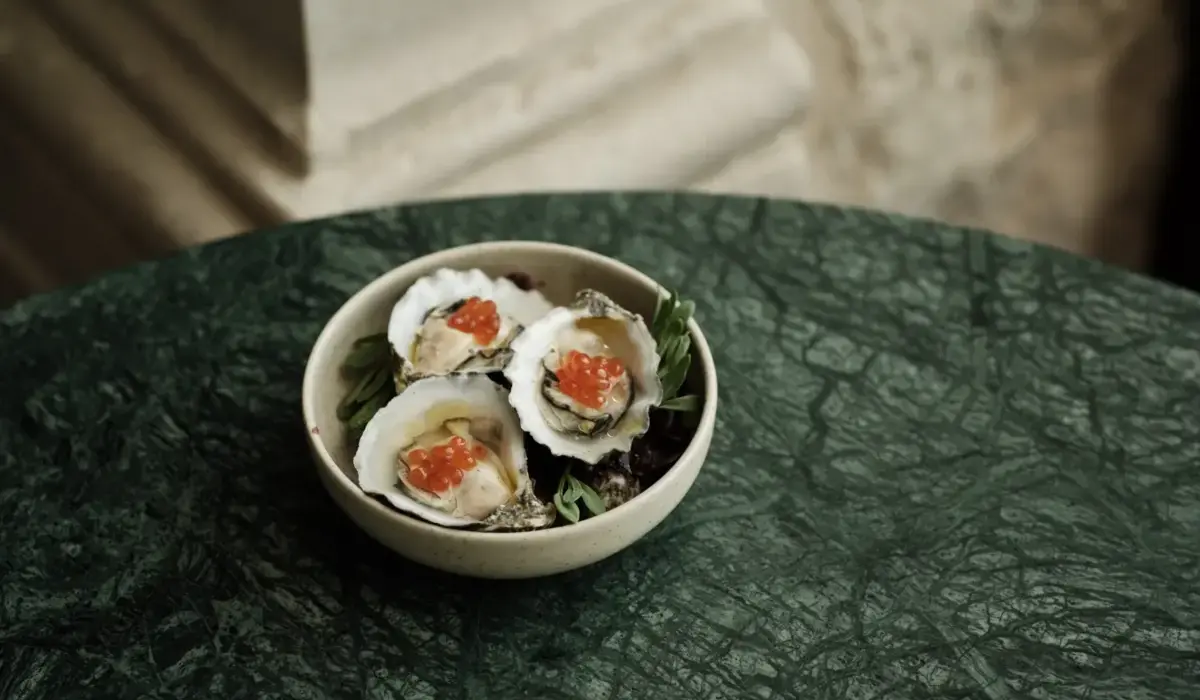
Seafood remains a cornerstone of the local economy, celebrated at spots like Nunes Real Marisqueria, which recently relocated to a renovated Art Deco space where Miguel and Vanda Nunes continue to serve flawless shellfish, spider crab, and clams with white wine and garlic. For fish prepared with fermentation and aging techniques, chef Leandro Carreira’s Barbela C.P.M. offers a modern perspective distinct from traditional grilling or sushi preparation.

The city’s beverage and cocktail offerings are equally robust. Red Frog continues its decade-long run as a pioneering speakeasy utilizing modern laboratory techniques for innovative drinks. At Quattro Teste, bartenders Alf del Portillo and Marta Premoli craft conceptual cocktails drawing on Basque and Italian influences, while Parra Wine Bistro provides a relaxed space for natural wines and modern small plates.

Together, these establishments illustrate a vibrant capital where historic taverns, neighborhood bakeries, and avant-garde kitchens exist side by side, ensuring that Lisbon’s culinary identity remains deeply rooted in tradition while continually looking toward the future.