









As the lazy days of summer draw to a close, communities across the country are officially entering the whirlwind of the back-to-school season. While many students have yet to attend their very first day of class, the weeks leading up to the academic calendar are universally characterized by a familiar routine: purchasing fresh school supplies, finalizing class registrations, and mentally preparing for the rigorous months ahead. For the 2025-2026 school year, this transitional period arrives amid ongoing concerns over the rising cost of education, leaving many families and adult learners searching for accessible ways to manage expenses.
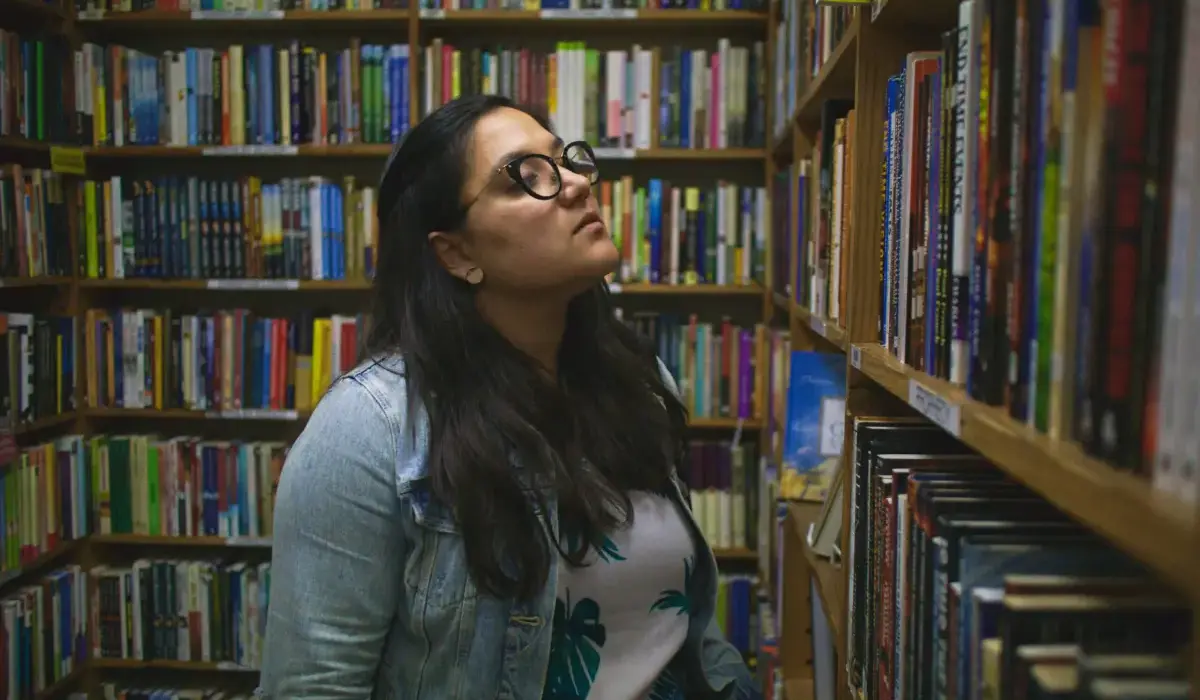
While the transition can certainly spark excitement, it frequently brings heightened levels of stress for students, parents, and caregivers alike. Fortunately, experts note that one of the most powerful and underutilized resources for navigating this seasonal shift is right in the neighborhood: the local public library. Far from being antiquated repositories solely dedicated to checking out physical fiction, modern libraries have evolved into dynamic community hubs offering a vast array of digital tools, technological assistance, academic support, and quiet workspaces. To ease the annual transition from summer relaxation to academic focus, communities are increasingly turning to libraries to leverage these comprehensive offerings.
For students at both the secondary and higher education levels, one of the most immediate financial pressures at the start of any term is the exorbitant cost of textbooks and required reading materials. Campus bookstores are notorious for charging steep prices to purchase or rent necessary literature, placing a heavy financial burden on students and their families. To counter this, educational analysts recommend visiting school and campus libraries first to locate physical copies designated for class reserves. Beyond campus, local public libraries offer extensive physical catalogs that can be searched online from home. Borrowing textbooks and required literature through a local public branch can easily save students hundreds of dollars each semester. While public branches may not always stock specialized or niche collegiate textbooks, they frequently carry mainstream publications. Additionally, patrons can explore the "Friends of the Library" bookstores often housed within public branches, which operate on public book and DVD donations and sell materials at a fraction of standard retail costs.
When academic assignments grow complex or students find themselves struggling to determine the proper starting point for a major research project, professional assistance is readily available through public library systems. Major metropolitan institutions, such as the Los Angeles Public Library, alongside numerous regional and campus libraries, offer dedicated programs where patrons can formally book an appointment with a professional librarian. By filling out an online application detailing the nature of the research question or class project, along with contact details and a valid library card number, students are connected with expert information professionals. These appointments can be conducted over the phone, via online conferencing, or in person. During the session, librarians walk students through specialized research processes, share valuable tips and tricks for navigating databases, answer targeted questions, and tailor their support to the unique requirements of the assignment. Library officials emphasize that students are encouraged to utilize this service as frequently as needed throughout the academic year.
Academic success often hinges on consistent access to tutoring, yet high-quality academic coaching remains financially out of reach for many families. To bridge this gap, public libraries provide free online homework tutoring services that cardholders can access directly from home. While specific platforms vary depending on the municipality, participating libraries typically offer live, daily individual tutoring sessions with trained academic professionals operating within virtual classrooms. These digital resources cover core subjects such as mathematics and English, utilizing interactive features like digital whiteboards and live chat functionalities. Furthermore, many of these systems extend their support to advanced placement courses as well as preparation for college entrance examinations like the ACT and SAT. Although certain library systems restrict these tutoring programs primarily to K-12 students, others broaden their scope to include adult learners, college students, job seekers requiring assistance with resume writing and interview preparation, and parents striving to enhance their at-home teaching methods to better support their children’s education.
Finding a conducive environment for focused study can present a significant challenge for students whose home environments are filled with distractions. Recognizing this obstacle, many local public libraries maintain dedicated homework centers designed to serve as productive study spaces. Beyond offering quiet zones free from domestic interruptions, these homework centers frequently supply free basic school supplies and complimentary printing services. More importantly, they are staffed by knowledgeable library personnel trained to guide students in utilizing digital databases and specialized educational technology. For households lacking a reliable home computer or laptop, these homework centers often feature dedicated computer labs or laptop loaner pools reserved exclusively for student use, granting unhindered access to the internet, academic journals, and online tutoring networks.
In the digital age, a library card serves as a gateway to far more than traditional print media. Depending on the specific branch, library systems subscribe to various digital streaming applications such as Hoopla, Kanopy, and Libby. Armed with a valid library card, patrons gain unrestricted access to millions of digital titles, including electronic books, audiobooks, music albums, television programs, and feature-length films. This capability proves particularly advantageous when educators assign specific cinematic works or digital literature for coursework, allowing students to bypass costly individual streaming subscriptions and online rental fees. Furthermore, when physical copies of required reading materials are unavailable on library shelves, students can frequently locate digital equivalents instantly through these library-backed applications.
The benefits of obtaining a library card extend well into professional development and lifelong learning through institutional subscriptions to platforms like LinkedIn Learning. Offered by major library systems, this award-winning educational tool grants cardholders free access to thousands of professionally produced courses, video tutorials, and instructional guides. The curriculum spans critical areas such as business administration, job search strategies, interview preparation, management techniques, and professional networking, enabling individuals to sharpen their technical and creative proficiencies for both the modern workplace and higher education. Utilizing this library-funded perk allows students and professionals alike to bypass expensive annual subscription fees while significantly enhancing their skill sets.
For complex academic research projects, general search engines often fall short of providing reliable, peer-reviewed data. To address this, libraries allocate substantial portions of their budgets toward subscriptions for specialized archives and digital databases. Unlike the unstructured environment of open internet searching, library-curated databases are organized systematically by historical era, geographic region, academic discipline, and specific subject matter. Students tackling intricate research assignments can input targeted keywords and phrases to retrieve verified journal articles, authoritative magazine pieces, and academic book chapters. Spanning disciplines from history and literature to the physical sciences and health, these curated repositories serve as indispensable assets for in-depth academic inquiry.
Addressing the persistent digital divide, many public library systems have implemented technology loan programs that allow patrons to borrow laptops and portable Wi-Fi hotspots at no cost. Recognizing that personal computers and reliable internet connections remain prohibitively expensive for numerous households—and that relying on commercial establishments for internet access is often impractical—libraries have made hardware mobility a priority. With a standard library card, students can check out a laptop for extended periods ranging from one to three weeks, depending on local branch policies. Additionally, portable Wi-Fi hotspots can be borrowed for up to six weeks at a time, ensuring that learners maintain continuous internet connectivity for homework and research tasks wherever they happen to be throughout the school year.
For those who prefer a traditional in-person study environment, visiting the physical library branch remains a cornerstone of back-to-school preparation. Alongside the myriad digital and human resources available on-site, libraries provide designated quiet study areas where students can concentrate on assignments without interruption. Because ambient noise levels within public facilities can fluctuate depending on peak visiting hours, educational advisors recommend that students arrive prepared with headphones or noise-canceling devices. Patrons are generally permitted to bring water and light snacks to sustain their study sessions, provided they adhere to the specific food and drink regulations established by their local library branch.
When academic syllabi demand collaborative teamwork, coordinating a meeting place can often prove difficult. To accommodate group dynamics, many libraries offer study and meeting rooms that student groups can reserve for blocks of two to three hours. This service is especially beneficial for collaborative projects where group members might otherwise disturb other library patrons or struggle with space constraints at home or in classrooms. These reserved spaces frequently feature advanced collaborative technology, including whiteboards, smartboards, and integrated online meeting capabilities. As students encounter group assignments during the opening weeks of the academic term, municipal and campus libraries stand ready to facilitate seamless collaboration through these accessible, reservable spaces.