






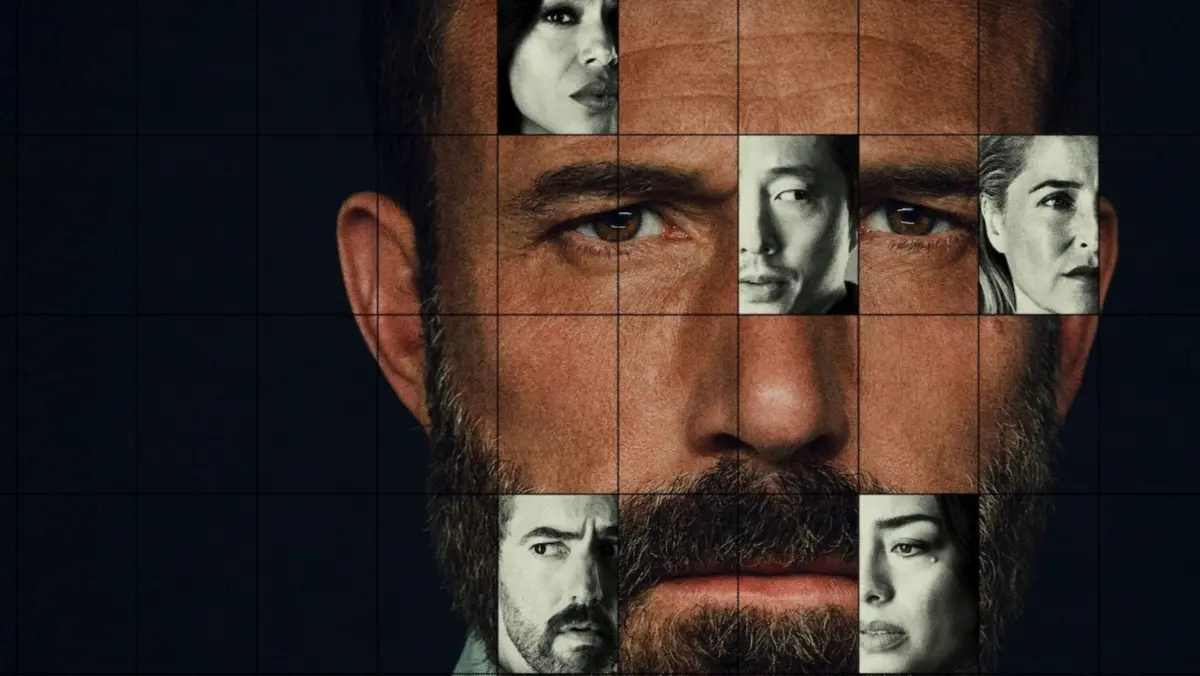
In a compelling and deeply personal interview with veteran journalist Jorge Ramos, Hollywood filmmaker and actor Ben Affleck opened up about the profound challenges, creative risks, and real-world collisions that defined the production of his new Netflix film, “Animals.” Far from a standard Hollywood promotional tour, the conversation revealed a project born from artistic conviction, personal heritage, and an unwavering commitment to portraying the immigrant experience with authenticity and unyielding dignity.
Affleck sat down with Ramos on his digital show to discuss the psychological and social underpinnings of the thriller. Throughout the conversation, the director made it abundantly clear that “Animals” was never intended to be a detached creative exercise. Instead, it serves as a reflection of a deeply interconnected society, driven by the belief that the United States is fundamentally a country of immigrants. By centering the narrative around two Mexican characters, Luis and Adriana, Affleck sought to tell a story that mirrors the broader tapestry of the United States itself—one inextricably bound to the journeys, struggles, and contributions of people who crossed borders to build a life.
This overarching framing was not merely a marketing angle or a calculated PR strategy. Rather, it served as the moral compass that guided every decision Affleck made while directing and co-writing the film. It also brought him face-to-face with the volatile and often harsh realities of the current sociopolitical climate surrounding immigration in the United States.
He Knew Making This Film Was a Risk and He Made It Anyway
From the earliest stages of development, Affleck was fully aware that focusing a high-profile production on the dignity and humanity of immigrant characters would carry significant risks in the current political landscape. Immigration remains one of the most polarized and contentious topics in American discourse, and any creative work that engages with the subject head-on invites intense scrutiny, debate, and potential backlash.
Despite these commercial and cultural risks, Affleck made the deliberate choice to press forward because he felt the topic demanded it. He explained to Ramos that his primary objective was to portray immigrants not as background figures, victims, or plot devices, but as fully realized human beings with agency—the undisputed protagonists of their own stories. In a media landscape that frequently relegates immigrant narratives to supporting roles in someone else’s drama, Affleck wanted to flip the script and center their lived experiences.
Furthermore, Affleck addressed a persistent, deeply ingrained bias within the film industry regarding English-language audiences and their alleged aversion to subtitles. There is a widely held commercial assumption among studio executives that mainstream viewers in the United States will disengage from productions that require reading subtitles, often limiting the reach of foreign-language or bilingual storytelling. Affleck actively pushed back against that traditional commercial calculation. He argued that the urgent social relevance of the story, combined with the absolute necessity of representing the immigrant experience with absolute honesty and dignity, far outweighed any box-office anxieties or subtitle resistance.
To ensure that authenticity remained intact, Affleck took a groundbreaking step behind the scenes. Recognizing that his own perspective as an American director could only go so far, he handed the creative pen directly to his Mexican lead actors, Luis Gerardo Méndez and Adriana Paz. He encouraged them to write their own dialogue to ensure that the conversations between Luis and Adriana on screen felt genuine, culturally nuanced, and entirely organic to their lived experiences.
ICE Was Operating on His Filming Locations and the Script Was Playing Out in Real Life
The interview with Jorge Ramos unfolded against a backdrop of intense national debate concerning U.S. immigration enforcement and the sweeping, disruptive impact of Immigration and Customs Enforcement (ICE) operations on local communities. As it turned out, “Animals” entered this charged cultural atmosphere in a way that not even its creators could have initially foreseen.
During the principal photography of the film in Los Angeles, the production encountered an extraordinary and unsettling convergence of fiction and reality. Affleck recounted to Ramos that there were days when filming had to be abruptly paused and suspended because active ICE operations were taking place in the immediate neighborhoods where the crew was working. Watching the very themes, anxieties, and systemic pressures written into their script play out in real time on the streets around them transformed the production experience entirely.
Affleck described this surreal intersection as extraordinary. Rather than viewing the ICE operations as an inconvenient logistical hurdle or a disruption to the shooting schedule, he recognized it as a sobering confirmation of the story’s vital necessity. The collision between the fictional world of the movie and the stark reality of the streets gave the project a profound emotional depth and urgency that no amount of traditional research, script doctoring, or pre-production preparation could have ever manufactured on its own.
This startling proximity to real-world trauma deeply influenced how seriously Affleck and his cast approached their craft. The presence of federal enforcement agents operating just blocks away from the set served as an ongoing, visceral reminder of the stakes involved in telling a story about vulnerability, surveillance, and survival. It reinforced why he had empowered Méndez and Paz to shape their own dialogue, ensuring the characters’ voices resonated with truth in an environment where immigrant communities were facing heightened fear and scrutiny.
He Said This Is a Country of Immigrants and His Family Proves It
For Affleck, the decision to helm “Animals” was deeply personal, rooted in his own family history and his broader worldview. He articulated to Ramos that his own people and his family are immigrants, tying his personal heritage directly to the thematic core of the film. In his view, the trials and aspirations of Luis and Adriana are not isolated experiences belonging solely to a foreign demographic; they are inherently part of the American story. The United States, he emphasized, has always derived its identity, resilience, and cultural richness from the generations of people who arrived from elsewhere and poured their labor, dreams, and futures into building the nation.
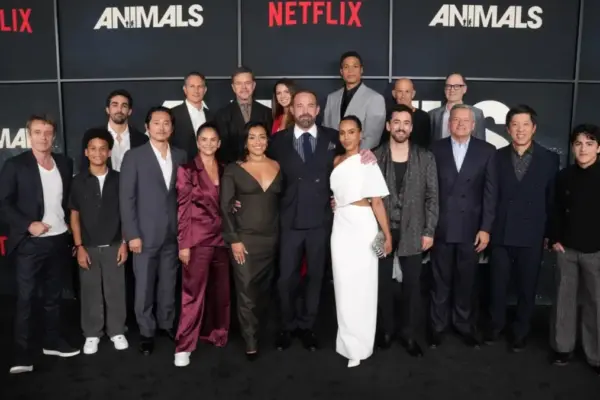
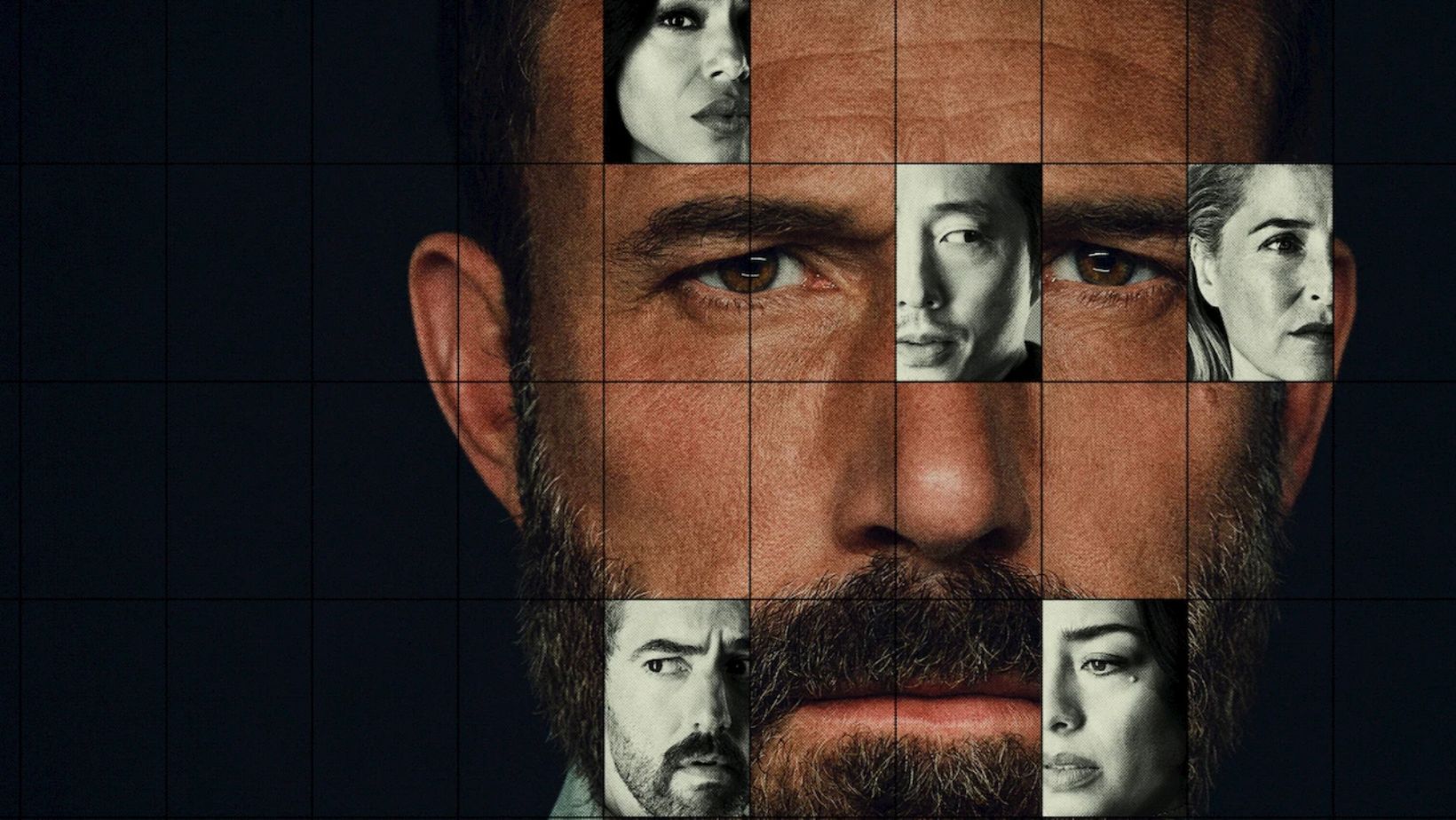
This personal conviction is matched by the collaborative, high-profile nature of the production itself. “Animals” was produced in association with Artists Equity, the independent studio Affleck co-founded with longtime collaborator Matt Damon, a company expressly designed to empower filmmakers and foster creative integrity. The film features a stellar ensemble cast, bringing together acclaimed talents such as Kerry Washington, Gillian Anderson, Steven Yeun, and Ray Fisher alongside its powerhouse Mexican leads.
By assembling such a diverse and accomplished cast, Affleck positioned the film at the intersection of prestige Hollywood filmmaking and urgent social commentary. He stepped into the project fully cognizant that it would enter a national conversation that is already deeply charged, highly polarized, and intensely personal for millions of viewers across the country.
As “Animals” officially premieres and streams to audiences worldwide on Netflix, it stands as a testament to a director willing to look directly at the complexities of modern America. By bridging the gap between high-stakes cinematic storytelling and the raw, unscripted realities of immigration enforcement on the streets of Los Angeles, Affleck’s latest project challenges viewers to examine the human faces behind the political headlines.