






Growing up as a child of the Dominican diaspora in New Jersey, the process of cultural preservation rarely took the form of grand gestures or formal lessons. Instead, it unfolded quietly in the background of everyday life, illuminated by the steady, ambient glow of a television set in the corner of the living room while dinner was being prepared in the kitchen.
For many first-generation households navigating the complexities of life in the United States, broadcast media served as a vital anchor. Spanish-language dialogue drifted through the speakers, competing with the familiar clatter of pots and pans, overlapping family conversations, and the occasional good-natured argument over who got to control the remote control. More often than not, the household split its viewing allegiance between the two major Spanish-language broadcasting giants of the era, Univision and Telemundo.
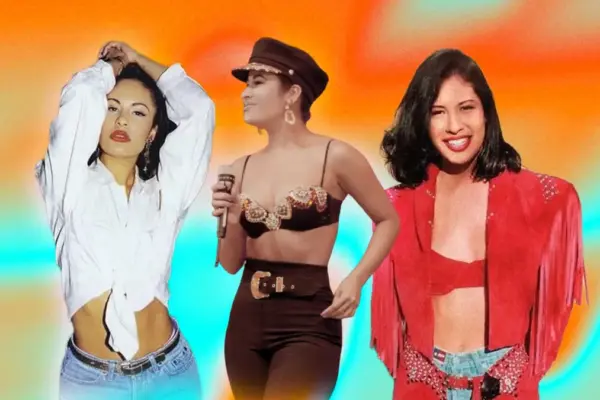
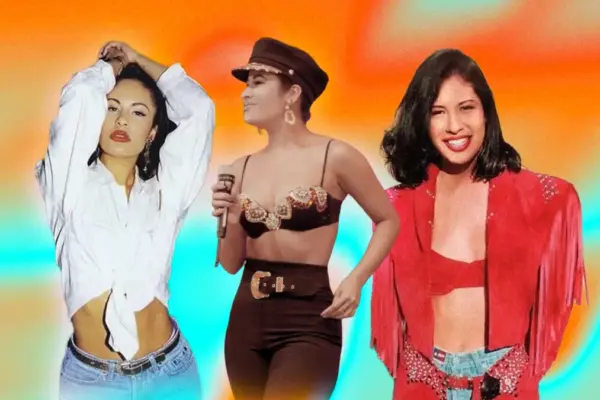
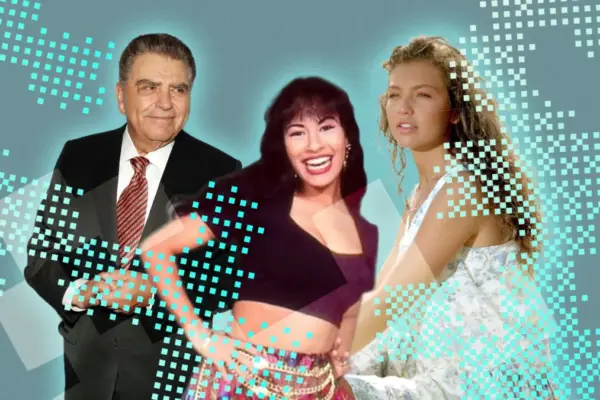
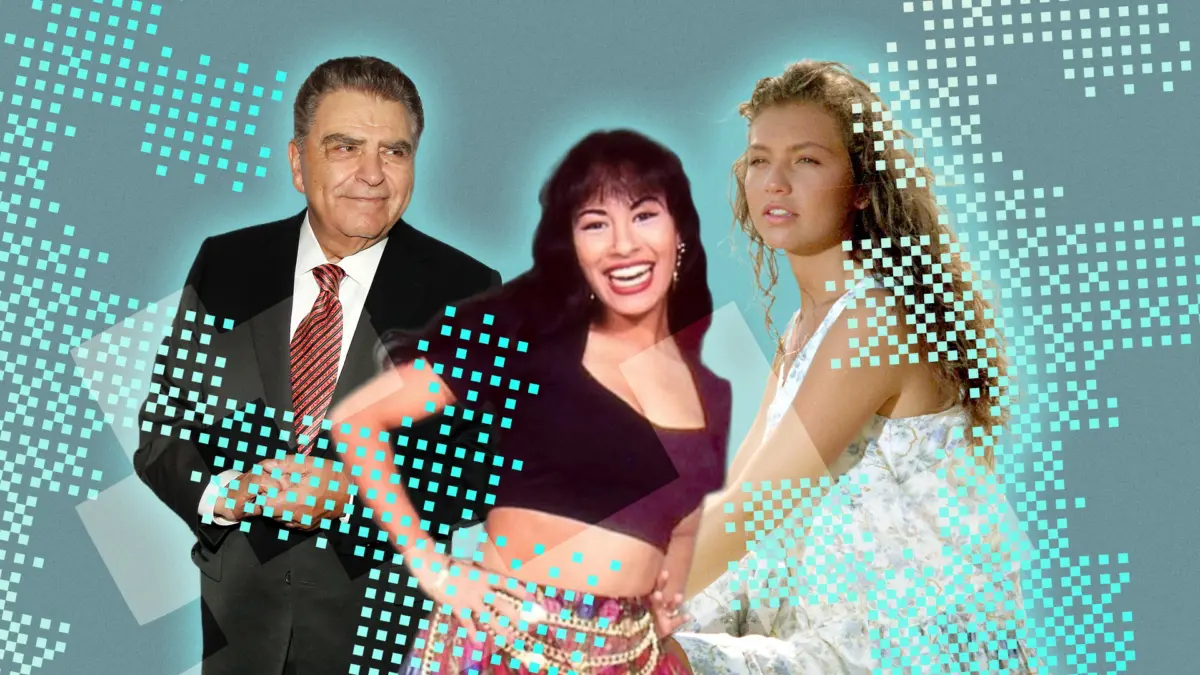
Those television broadcasts provided an irreplaceable soundtrack and visual landscape for childhood. Weekday evenings and weekend afternoons were punctuated by iconic programs that families looked forward to all week long. Viewers tuned in religiously to follow dramatic storylines like Marimar, starring Thalía and Eduardo Capetillo, alongside cultural staples like the legendary weekend variety hour Sábado Gigante hosted by Don Francisco. Music videos and televised interviews of artists like Selena were watched, rewound, and replayed by families who never seemed quite ready to let those moments of shared cultural celebration slip away.
There was something undeniably powerful about hearing the Spanish language spoken dynamically within the walls of a suburban New Jersey home. Even when the specific plots of the telenovelas or variety acts did not explicitly mirror the exact lived experiences of a Dominican family, the emotional resonance remained deeply familiar. The expressive gestures, complex family dynamics, distinct humor, and larger-than-life personalities reflected pieces of a broader cultural identity that households instinctively recognized and embraced.
Watching a program like Marimar alongside family members was never a silent, solitary experience. Mothers would frequently shake their heads in disbelief at a character’s questionable decisions, prompting immediate reactions from across the room with declarations like, "¡Te dije que eso iba a pasar!" Within moments, the living room would fill with a cacophony of overlapping voices, laughter, gentle teasing, and spirited debates over who among the household was right.
That energetic atmosphere closely mirrored the environment of traditional Dominican family gatherings, where adults regularly laughed over cherished old stories while debating everything from neighborhood gossip to the unfolding drama on the screen. Someone was always calling out from another room, and somehow, the entire household was drawn into the conversation. Even though the television programs did not tell a uniquely Dominican story, sharing them with family made the experience feel entirely like home.
Cultural connection does not always rely on direct, literal representation. Sometimes, it is forged entirely through recognition. Neither Marimar nor Selena hailed from the Dominican Republic—the former was a product of Mexican television production, and the latter was a celebrated Mexican-American icon—yet their presence on screen bridged geographic and cultural divides for Caribbean-American youth.
At the time, those ordinary television-watching evenings were not perceived as intentional acts of cultural preservation. To a kid growing up in New Jersey, it was simply entertainment shared with loved ones. Decades later, however, the true weight of those moments becomes clear, revealing how those routine evenings served as foundational lessons in identity, heritage, and belonging.
For countless immigrant families across the United States, broadcast media functioned as much more than a passive source of amusement. It acted as an indispensable bridge connecting the homeland left behind by parents with the unfamiliar terrain where their children were growing up. For a Dominican household, these broadcasts helped maintain a firm grasp on the Spanish language, musical traditions, cultural humor, and an enduring emotional tether to the Caribbean while simultaneously building a new life in America.
That was the unique magic of appointment television. Families tuned in simply because a program was scheduled to air, and those broadcasts naturally integrated into daily family conversations because everyone had experienced them together. Children could navigate the English-speaking world of their American schools all day, only to return home to a living room immersed in Spanish. Growing up in New Jersey did not require choosing one identity over the other; instead, it offered the unique privilege of being entirely both.
Even today, hearing the familiar opening notes of Marimar instantly triggers memories of those evenings spent with family. Yet, the mechanics of how television is consumed have shifted dramatically. The era of waiting for a specific broadcast time or gathering collectively in the living room to negotiate viewing choices has largely been replaced by modern streaming habits. Today, individuals stream content independently on personal devices whenever schedules permit. When a piece of media evokes a memory of home or triggers laughter, the medium of sharing has transformed from a living room conversation into a digital exchange, usually relayed through a quick clip or a meme in a family group chat.
While the fundamental connection to culture remains strong, its shape has evolved. In decades past, a dramatic telenovela episode, a standout musical performance on Sábado Gigante, or a televised song could organically transform into tomorrow’s family discussion without any prior coordination. Everyone had watched the same broadcast, and everyone held an opinion. In the contemporary media landscape, characterized by endless choices and algorithmic, personalized feeds, audiences follow divergent paths, watch different creators, and discover culture through fractured channels. Shared cultural moments have not vanished entirely, but they have undeniably become less automatic.
Concurrently, the landscape of Latino representation has matured. Today’s creators no longer wait patiently for mainstream networks to grant them visibility; they actively build that representation themselves across digital platforms. A Dominican youth in New Jersey can now open a smartphone and instantly tap into a vast, decentralized community that directly reflects their unique lived experiences. While that unprecedented access and creative freedom represent a monumental step forward, there remains a distinct nostalgia for the collective synchronization of past eras—the shared feeling that an entire community was watching the exact same story unfold at the exact same time.
As media consumption platforms have continuously expanded from traditional telenovelas and variety shows to encompass TikTok, podcasts, YouTube, and subscription streaming services, the underlying human desire for cultural connection has remained entirely unchanged. Audiences still seek out content that evokes the warmth of home and yearn to share those discoveries with the people who originally made them feel grounded.
For individuals navigating life between multiple cultures, heritage is transmitted through far more than just historical narratives about ancestral homelands. It thrives within everyday language, traditional recipes, shared music styles, and the routine moments spent in the company of loved ones.
Ultimately, that heritage endures in the vivid memory of a television glowing brightly in a New Jersey living room, filling the air with the cadence of Spanish dialogue. What shaped a generation was not merely the content of the broadcasts, but the communal act of watching them alongside family. While modern audiences possess more tools than ever to connect with their roots, the ongoing challenge lies in preserving the communal nature of those bonds—ensuring that culture remains not just something passively consumed, but something actively experienced, remembered, and passed down.