











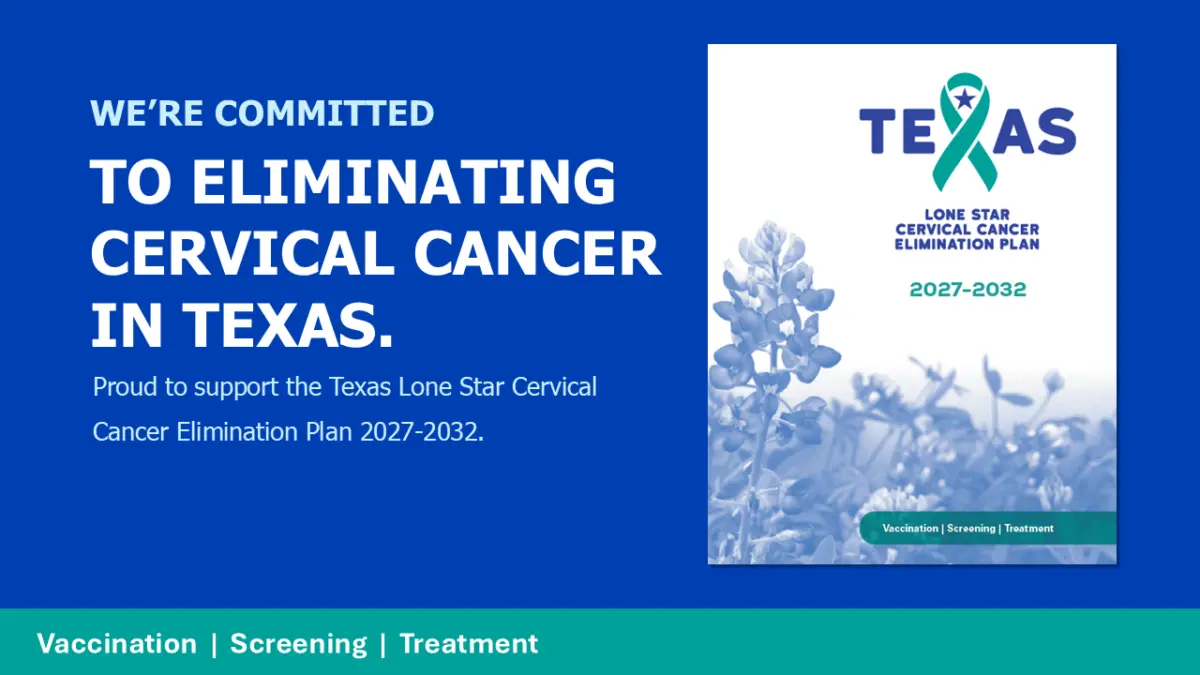
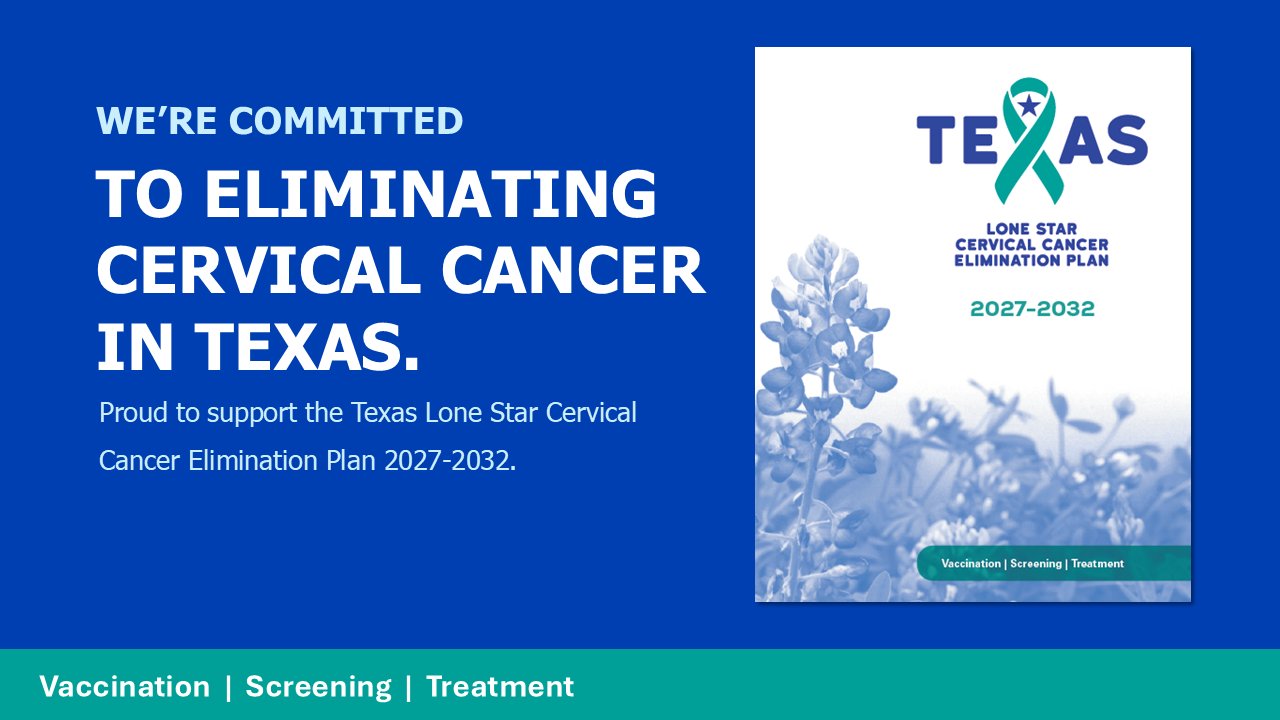
Texas stands at a critical crossroads in public health, facing a significant opportunity to eliminate cervical cancer as a public health threat within its borders. According to the newly released Texas Lone Star Cervical Cancer Elimination Plan 2027–2032, achieving this historic milestone will require a unified, statewide effort combining widespread human papillomavirus (HPV) vaccination, routine cervical screening, timely follow-up diagnostics, and accelerated navigation to specialized treatment services.
The comprehensive strategic framework is the result of extensive collaboration facilitated by the Cervical Cancer Elimination Priority Area Workgroup, with robust support from the Cancer Alliance of Texas (CAT). The multidisciplinary workgroup features leading public health experts, including Dr. Rebecca Jones, assistant director of the Institute for Health Promotion Research at UT Health San Antonio. Together, these stakeholders have outlined a rigorous roadmap designed to tackle one of the state’s most persistent yet entirely preventable health challenges.
"Texas has the tools to prevent nearly all cervical cancers, but elimination will require coordinated statewide action, sustained partnerships, and tailored and targeted strategies," states the comprehensive plan. By leveraging existing medical infrastructure and fostering cross-sector cooperation, public health advocates believe the state can dramatically reduce the burden of a disease that continues to impact thousands of families.
Why Cervical Cancer and Texas?
Cervical cancer occupies a frustrating paradox in modern medicine: it is overwhelmingly preventable and treatable when caught early, yet it remains a persistent public health problem. In Texas, the stakes are particularly high. Statistical rankings place the Lone Star State at the 8th highest rate of cervical cancer incidence and the 6th highest mortality rate from the disease nationwide.
Public health experts point to a confluence of systemic and demographic factors driving these elevated numbers. Texas possesses a massive and diverse geographic landscape, encompassing sprawling urban centers, expansive rural counties, and dynamic border communities. Compounding these geographic hurdles are high uninsured rates, cross-border healthcare utilization, and a fragmented continuity of care that frequently delays crucial screenings and necessary follow-up appointments. Furthermore, fragmented health records across disparate healthcare systems often complicate efforts to accurately track vaccination statuses, screening histories, and long-term patient monitoring.
Despite these formidable obstacles, Texas also possesses unique systemic strengths that position it uniquely well for success. The state is home to top-tier academic institutions, advanced clinical networks, robust public health departments, and deeply committed community organizations. These vital sectors have coalesced under the banner of the Cancer Alliance of Texas, backed by a powerful prevention infrastructure generously supported by the Cancer Prevention and Research Institute of Texas (CPRIT).
1. Boost HPV Vaccination Rates
At the foundational level of the 2027–2032 elimination plan is a resolute focus on prevention through immunization. The primary objective is ambitious yet achievable: increasing the percentage of Texas adolescents—both boys and girls—who are fully up to date on their human papillomavirus (HPV) vaccination by age 15, raising the current rate from 50.5% to 80%.
Achieving this target will require multifaceted interventions deployed across clinical and community settings. Healthcare providers are encouraged to implement strong clinical recommendation systems, while public health advocates work to expand community outreach, educational initiatives, and vaccine accessibility in non-traditional healthcare settings such as schools and community health fairs.
The urgency of these preventive measures resonates deeply with those who have experienced the disease firsthand. Ludivina Hernández, a community outreach coordinator and cervical cancer survivor, emphasizes the preventable nature of the tragedy. "No Texan should suffer from or lose their life to cervical cancer if we could prevent it," Hernández noted. "Early detection, screening, and vaccination can prevent unnecessary suffering and save lives."
2. Elevate Cervical Cancer Screening
The second pillar of the Texas Lone Star Cervical Cancer Elimination Plan centers on significantly expanding routine cervical cancer screening across all eligible populations. Traditional screening models have often struggled to reach marginalized, uninsured, or geographically isolated residents, necessitating innovative approaches to care delivery.
To overcome these deeply rooted barriers, healthcare leaders and policymakers are urged to integrate primary HPV testing and advanced HPV self-collection options into standard care protocols. Crucially, these new screening modalities must be made accessible far beyond the traditional confines of urban clinics, reaching into rural outposts and underserved neighborhoods.
However, expanding access alone is insufficient without robust navigational support to guide patients through the entire screening continuum. "Reducing barriers to cervical cancer screening includes not only improving access to screening but also ensuring that individuals can successfully complete screening, receive their results in a timely and understandable manner, and access recommended follow-up care," the plan emphasizes. Ensuring that patients do not fall through the cracks after an initial test is viewed as essential to catching cellular changes before they develop into invasive malignancies.
3. Increase Cervical Cancer Diagnosis and Treatment
The third core strategy outlined in the elimination framework addresses the critical juncture where screening transitions into diagnosis and treatment. Prompt and effective medical intervention for cervical precancer and early-stage cancer plays an indispensable role in halting the progression of the disease and ensuring long-term survival.
The plan establishes a clear, measurable goal: ensuring that 80% of women who receive abnormal screening results are successfully connected to timely diagnostic follow-up and appropriate treatment. Reaching this benchmark will require coordinated, multilevel interventions that integrate grassroots community outreach, comprehensive patient navigation services, specialized provider training, and robust survivorship support systems.
Multicomponent programs are viewed as the most effective vehicle for bridging the gap between detection and treatment. Dr. Rose Gowen, a faculty associate at the UT Health Houston School of Public Health Brownsville Regional Campus, highlights the collaborative nature of this approach. "Multicomponent programs bring together the critical elements needed to overcome these challenges, including community outreach and education, patient navigation, provider training, and strong clinical partnerships," Dr. Gowen explained.
Looking Toward the Future
Eliminating cervical cancer as a public health threat in Texas will not happen overnight, but the roadmap provided by the 2027–2032 plan offers a clear, evidence-based path forward. Future efforts will rely heavily on continuous evaluation, data-driven adaptation of strategies, and sustained investments in innovative healthcare delivery models.
"By continuously evaluating outcomes, adapting strategies, and investing in evidence-based innovations, Texas can build a learning health system capable of accelerating progress toward the elimination of cervical cancer as a public health problem," the plan concludes. Through persistent dedication, collaborative partnerships, and targeted action across vaccination, screening, and treatment domains, Texas possesses the unprecedented opportunity to consign cervical cancer to history.