







When the Central Intelligence Agency sought to quietly expand its clandestine operations in Mexico, it encountered a diplomatic and operational maze. Mexican President Claudia Sheinbaum had drawn a firm, uncompromising line regarding national sovereignty, repeatedly barring United States military or intelligence forces from operating directly on Mexican soil. Officially, bilateral security cooperation was strictly limited to intelligence sharing, high-level strategic coordination, and logistical support.
Yet, beneath the surface of these official prohibitions, the intelligence landscape along the border was far more complex. In the northern border state of Chihuahua, the C.I.A. found an invaluable local partner willing to bypass official federal constraints and help the agency build a tangible foothold for on-the-ground counter-cartel operations: Guillermo Zuany Portillo.
Mr. Zuany, a prominent prosecutor and former police commander in Chihuahua State, proved uniquely positioned to assist the American intelligence agency. According to Mexican and U.S. officials, he provided the crucial operational bridge the C.I.A. needed, actively pairing American operatives with local Mexican police units to execute targeted counter-cartel raids and missions.

However, Mr. Zuany’s willingness to cooperate with foreign intelligence officers was driven by a precarious personal and professional bind. Months prior to his collaboration with the C.I.A., the United States government revoked his visa. According to an official letter sent by Mexican authorities to the Federal Bureau of Investigation, which was reviewed by The New York Times, the American visa revocation stemmed from suspected ties between Mr. Zuany and the very criminal cartels the C.I.A. was desperately attempting to root out.
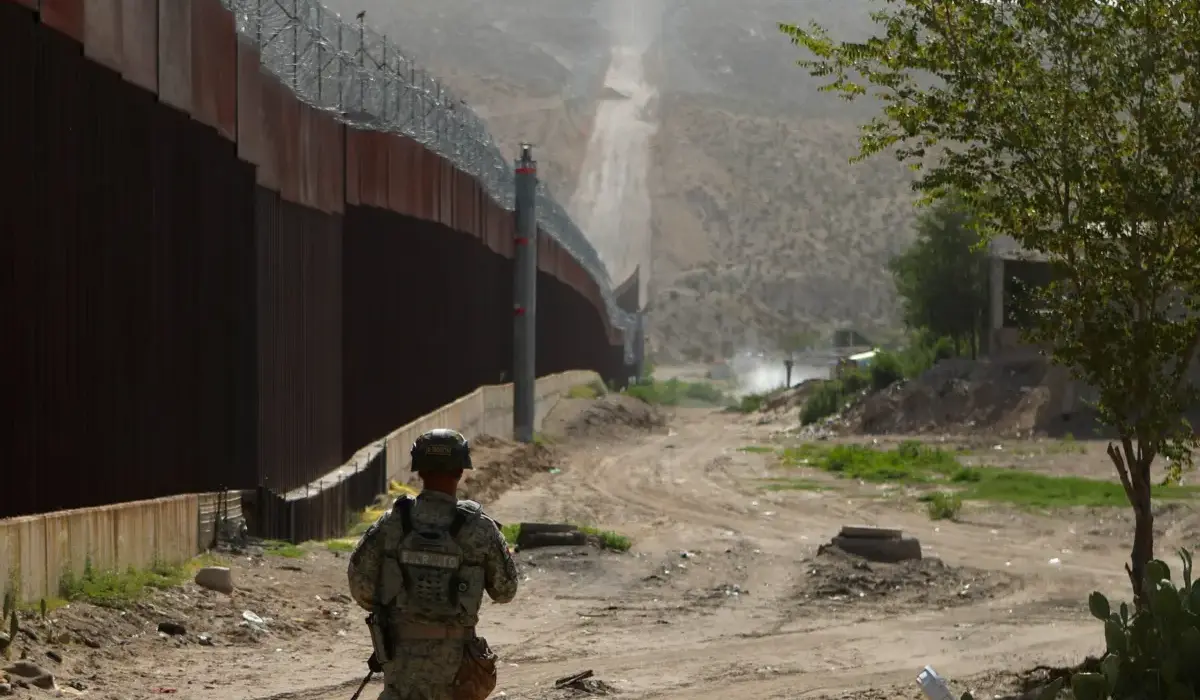
This convergence of interests created an unorthodox alliance. While President Sheinbaum maintained a public stance of strict non-intervention and fiercely defended Mexican territorial sovereignty against foreign boots on the ground, the reality on the volatile northern frontier was dictated by local pragmatism, shifting loyalties, and the relentless pressure of the narcotics trade. For the C.I.A., partnering with a controversial regional figure like Mr. Zuany offered a backdoor around federal restrictions, allowing the agency to push beyond mere intelligence sharing and engage directly in tactical operations within a critical border corridor.
The dynamic underscores the ongoing tensions between Washington and Mexico City over how to combat powerful transnational cartels that continue to destabilize regions like Chihuahua and major border hubs like Ciudad Juárez. While federal leaders spar over sovereignty and the acceptable limits of foreign security assistance, regional officials operating in the shadowlands of the border often navigate a different set of rules—one where intelligence agencies, local law enforcement, and compromised officials intersect in the high-stakes shadow war against organized crime.