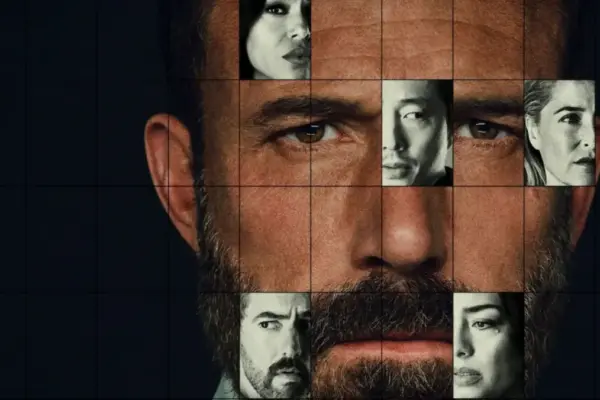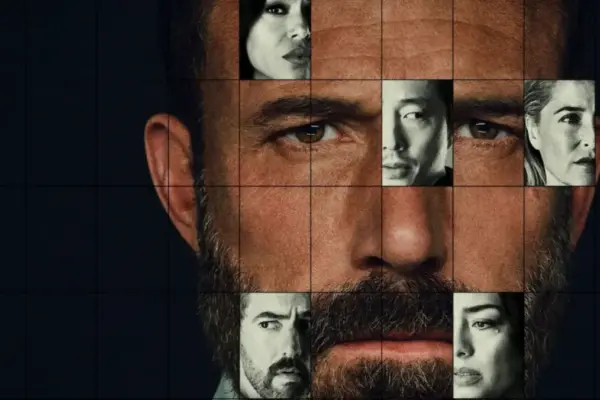


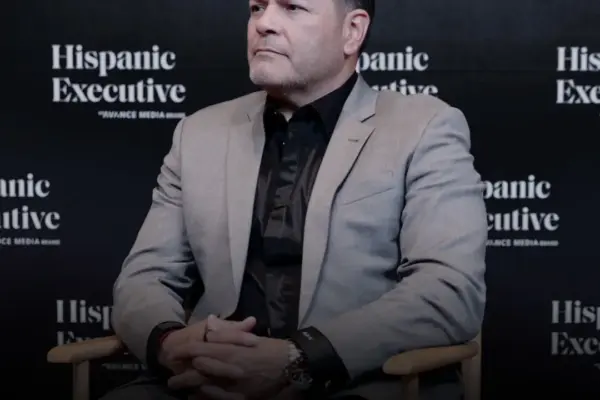



In a wide-ranging and deeply reflective interview with veteran journalist Jorge Ramos on his digital show Así Veo Las Cosas, Hollywood actor and filmmaker Ben Affleck opened up about the creative and personal forces behind his latest directorial project, the Netflix film Animals. Affleck made it clear that the project was never intended to be a detached cinematic exercise or a safe commercial venture. Instead, the film became an intensely personal exploration of identity, dignity, and the immigrant experience in the United States—a theme that Affleck believes sits at the very heart of the nation’s history and ongoing evolution.
Sitting down with Ramos, Affleck discussed the profound convictions that drove every decision he made while co-writing and directing the film. He emphasized that the United States is fundamentally a country of immigrants, pointing out that his own family and heritage are deeply rooted in that narrative. At the center of Animals are Luis and Adriana, two Mexican characters whose struggles, aspirations, and humanity form the emotional core of the story. For Affleck, bringing their narrative to the screen was not merely a creative choice, but a moral and cultural imperative made all the more urgent by the current socio-political climate surrounding immigration in America.
The conversation shed light on the immense risks Affleck knew he was taking by tackling such a politically and socially charged subject in today’s polarized environment. Rather than shying away from controversy, the filmmaker leaned into it, driven by a firm belief that storytelling carries a profound responsibility when creators are given a platform to reach global audiences.
He Knew Making This Film Was a Risk and He Made It Anyway
Affleck was remarkably candid during his discussion with Ramos about the inherent risks of centering a major production around the dignity and humanity of immigrant characters. In an era marked by intense political friction and shifting immigration policies in the United States, producing a film that humanizes undocumented or immigrant experiences is rarely viewed as a safe bet by major studios. However, Affleck explained that he made the deliberate decision to move forward precisely because the topic demanded attention and urgency.
His primary artistic goal was to portray immigrants not as flat supporting players or background elements in someone else’s story, but as complex, multi-dimensional individuals who serve as the true protagonists of their own lives. This approach required a conscious rejection of typical Hollywood tropes, ensuring that the characters of Luis and Adriana were granted full agency, emotional depth, and cultural authenticity.
Furthermore, Affleck addressed the long-standing industry anxiety surrounding English-language audiences and their alleged resistance to subtitles. Within Hollywood boardrooms, a widely held assumption persists that non-Spanish-speaking viewers will disengage from productions that require reading subtitles. Affleck actively pushed back against this commercial calculation, arguing that the social relevance of the story and the absolute necessity of representing the immigrant experience with honesty far outweighed any potential box-office or streaming hesitation. By refusing to water down the narrative for commercial convenience, Affleck ensured that Animals remained fiercely authentic to the lived experiences of its characters.
ICE Was Operating on His Filming Locations and the Script Was Playing Out in Real Life
The interview with Jorge Ramos unfolded against a backdrop of intense national scrutiny regarding U.S. immigration enforcement and the widespread impact of Immigration and Customs Enforcement (ICE) operations on local communities. For Affleck and his production team, however, this debate ceased to be an abstract political talking point and became an immediate, daily reality during the filming of Animals in Los Angeles.
Affleck revealed that there were several days during production when the cast and crew had to temporarily suspend filming because active ICE operations were unfolding in the exact neighborhoods where they were working. Describing the surreal experience, Affleck noted that watching the tense scenarios depicted in the film’s script play out in real life right outside their production perimeter was nothing short of extraordinary. Fiction and reality collided on the very same Los Angeles streets, blurring the line between the cinematic world they were trying to create and the harsh external pressures weighing down on the communities around them.
This real-world collision deepened Affleck’s understanding of the project’s weight and urgency. Rather than viewing the production disruptions as mere logistical inconveniences, he recognized them as a stark reminder of why a film like Animals needed to exist in the first place. This heightened sense of responsibility directly influenced how he collaborated with his cast—particularly when it came to ensuring the Mexican characters were portrayed with absolute authenticity.
Recognizing the limits of his own perspective, Affleck took the extraordinary step of handing creative control over the dialogue to his Mexican lead actors, Adriana Paz and Luis Gerardo Méndez. Instead of forcing them to recite lines written from an outsider’s point of view, Affleck trusted Paz and Méndez to write their own dialogue, ensuring that the conversations on screen captured genuine cultural nuances, emotional resonance, and lived realities.
He Said This Is a Country of Immigrants and His Family Proves It
Affleck’s deep engagement with the theme of immigration is not a recent creative pivot, but an extension of his own worldview and family history. During his conversation with Ramos, he reiterated that his own people and family are immigrants, framing the narrative of Animals as an intrinsic part of the broader American story. In Affleck’s view, the United States has always derived its cultural identity, resilience, and vitality from individuals who left their homelands to build new lives.
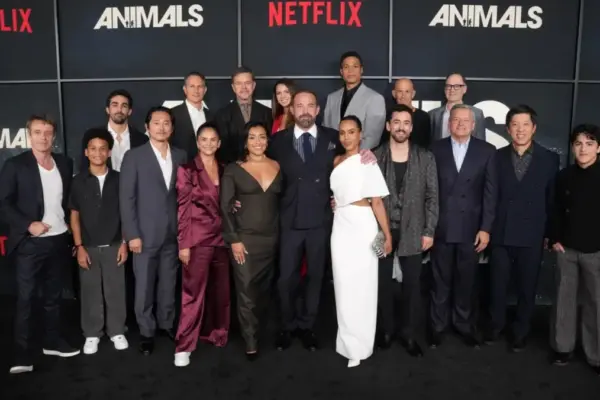
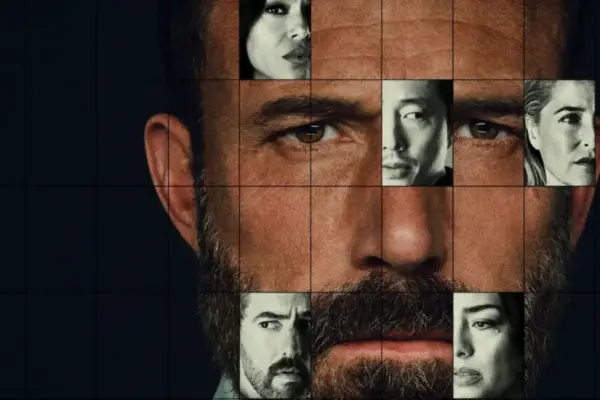
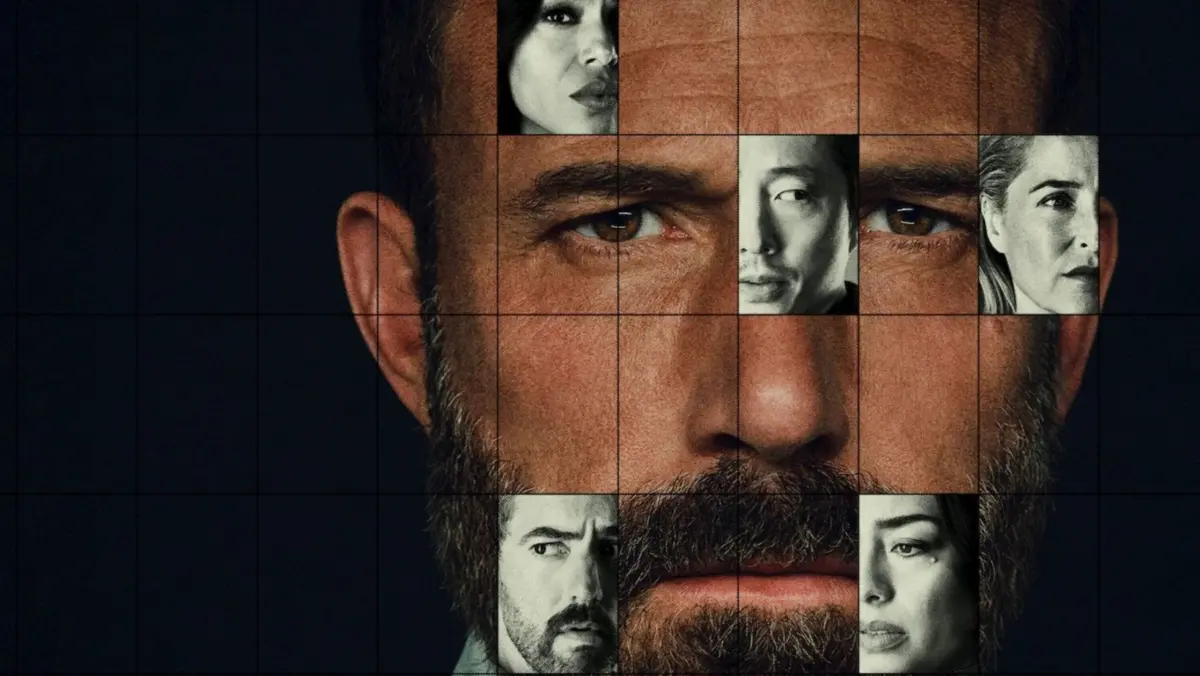
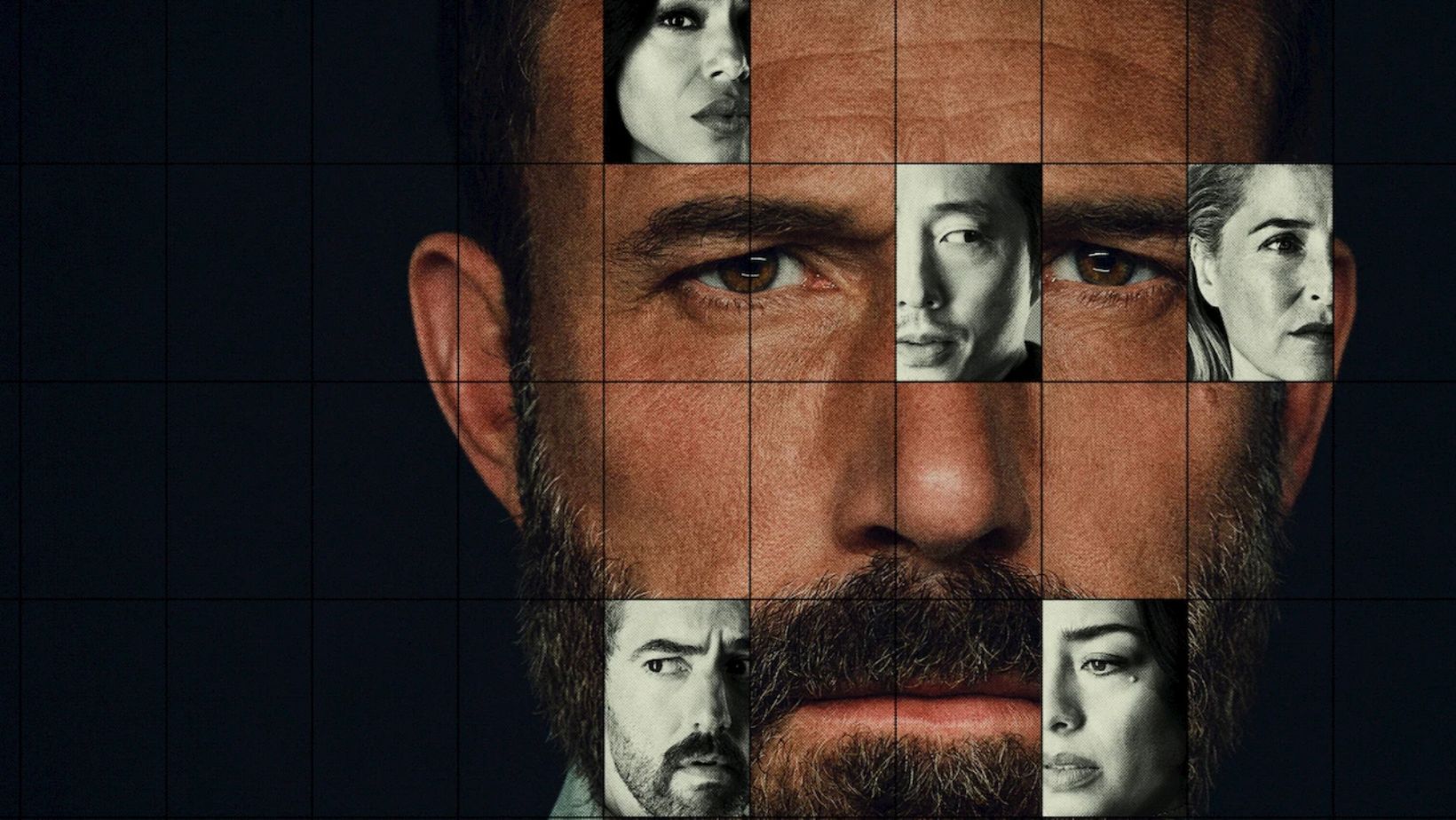
This personal conviction was matched by the collaborative scale of the production. Animals features a stellar ensemble cast, bringing together acclaimed actors such as Kerry Washington, Gillian Anderson, Steven Yeun, and Ray Fisher alongside its Mexican leads, Adriana Paz and Luis Gerardo Méndez. The film was produced in association with Artists Equity, the artist-led studio Affleck co-founded with longtime collaborator Matt Damon, reflecting a shared commitment to empowering creators and telling stories that challenge mainstream conventions.
Affleck approached the project fully aware that it would enter an already charged national conversation—one that carries deeply personal stakes for millions of viewers across the country. By confronting these realities head-on, both on the screen and behind the scenes, Affleck delivered a project that transcends conventional streaming entertainment. Animals is currently streaming on Netflix, inviting audiences to engage with a story where art, empathy, and real-world urgency converge.