





An estimated 1.5 million people are living with type 1 diabetes across the United States, a chronic autoimmune condition that requires continuous management and medical vigilance
. Among those affected are nearly 200,000 individuals under the age of 20, highlighting the profound impact the condition has on children, adolescents, and their families. Furthermore, recent data indicates that 13% of Latinos living in the U.S. are managing type 1 diabetes. According to Breakthrough T1D, the leading global type 1 diabetes research and advocacy organization formerly known as JDRF, the prevalence of the condition is on the rise across all populations, with the most significant increases observed among Hispanic youth.
This shifting demographic reality underscores an urgent need for accessible educational tools, culturally relevant resources, and comprehensive community support networks to help families navigate the complexities of a diagnosis. Breakthrough T1D has increasingly focused its efforts on bridging these gaps, ensuring that individuals and families from all backgrounds have access to the resources they need to thrive from the moment of diagnosis through every stage of life.
What is Type 1 Diabetes?
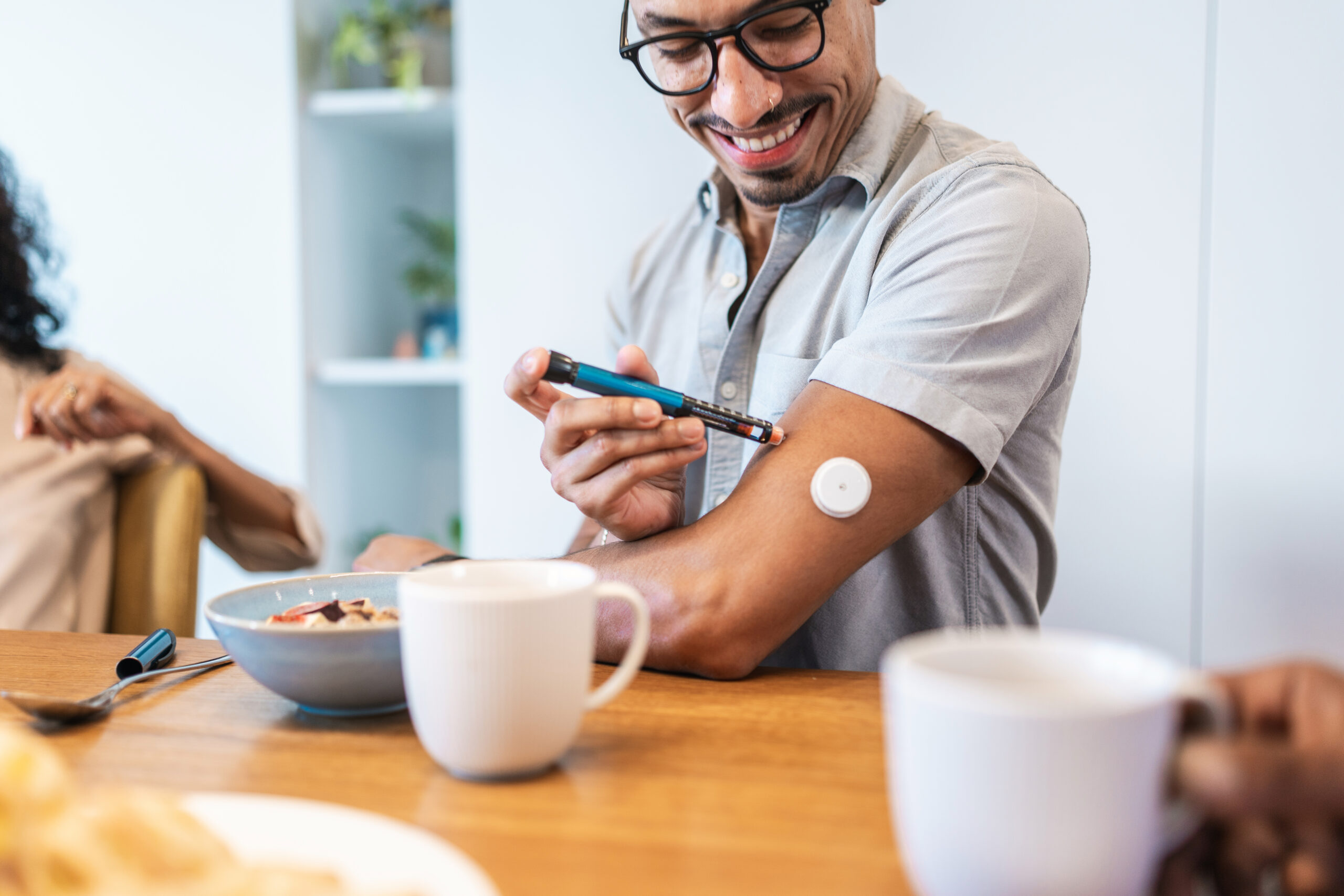
Type 1 diabetes is defined as a chronic autoimmune disease, meaning it is a lifelong condition that can be diagnosed in individuals at any age. The disease is triggered when the body’s immune system mistakenly attacks and destroys the insulin-producing beta cells located in the pancreas. Insulin is an essential hormone responsible for facilitating the body’s ability to convert food into usable energy. Without adequate insulin production, glucose builds up in the bloodstream rather than fueling cells, which can lead to severe health complications. Consequently, individuals diagnosed with type 1 diabetes must take insulin daily—either through multiple daily injections or via an automated insulin pump—simply to survive.
Managing the condition involves constant monitoring of blood glucose levels, calculating carbohydrate intake, and adjusting insulin doses in response to physical activity, stress, and meals. Recognizing the early symptoms of type 1 diabetes is critical for timely medical intervention. From the initial day of diagnosis to daily life decades later, organizations like Breakthrough T1D work to connect people within the broader diabetes community, offering everything from educational summits and peer mentorship to foundational resources that explain the basics of the condition and how to advocate for care.
Free T1D Resource Packs and Welcome Materials
To ease the overwhelming transition following a new diagnosis, Breakthrough T1D provides specialized resource packs tailored to different age groups and developmental stages. For children aged 11 and younger and their caregivers, the organization offers the Breakthrough T1D Bag of Hope, a specially curated collection designed to provide both comfort and practical guidance. Crucially, this resource is fully accessible in a bilingual format, featuring materials in both Spanish and English to better serve diverse families.
For adolescents between the ages of 12 and 17, the organization provides Teen Family Packs, which include introductory guides alongside practical items such as an organizing pouch for diabetes supplies and stickers to help normalize the daily routine of managing the condition. Additionally, Breakthrough T1D Adult Packs offer targeted support for individuals diagnosed later in life, providing educational overviews, management guides, and information on how to engage with the wider advocacy and research community. Requests for these standard and bilingual packs can be made directly through the organization’s digital platforms, ensuring that newly diagnosed individuals receive timely support regardless of their primary language.
Bilingual Educational Videos and Digital Outreach
Recognizing the power of digital media in health education, Breakthrough T1D has assembled a comprehensive selection of bilingual video content covering vital topics related to type 1 diabetes management. These resources explore fundamental subjects such as insulin therapy, recognizing low blood sugar, understanding common symptoms, and exploring the underlying biological causes of the disease.
The organization maintains dedicated video libraries in both English and Spanish, allowing patients and caregivers to access clear, expert-informed explanations in the language they feel most comfortable using. Beyond basic management, these video collections also delve into advanced and emerging topics, such as clinical trials, early screening methods, and early detection strategies. By breaking down complex medical concepts into accessible digital formats, the organization helps demystify research initiatives and encourages broader community participation in clinical studies.
Spanish Language Virtual Community Summits and Events
To foster a sense of shared community and provide ongoing education, Breakthrough T1D hosts free Spanish-language virtual educational events. These summits are streamed live across the organization’s digital and social media platforms, covering a wide array of topics relevant to the daily lives of those managing type 1 diabetes. Participation in these virtual events is open to everyone, and no advance registration is required, removing logistical barriers for working families and busy caregivers.
Attendees can tune in via their preferred social media platforms to participate in real-time discussions, and they are encouraged to follow the dedicated Spanish-language Instagram account for ongoing updates and community connection. The programming schedule for these virtual summits addresses diverse needs, including specialized sessions such as the upcoming community event titled "Type 1 Diabetes and Community: Experiences that Inspire, Educate, and Drive Impact." Furthermore, the organization provides an extensive archive of recorded previous sessions and complements these virtual gatherings with expert-led English conversations through initiatives like the Voices of T1D series, ensuring a robust selection of multi-lingual audio and video programming.
Bilingual Nutrition Resources and Cultural Culinary Guidance
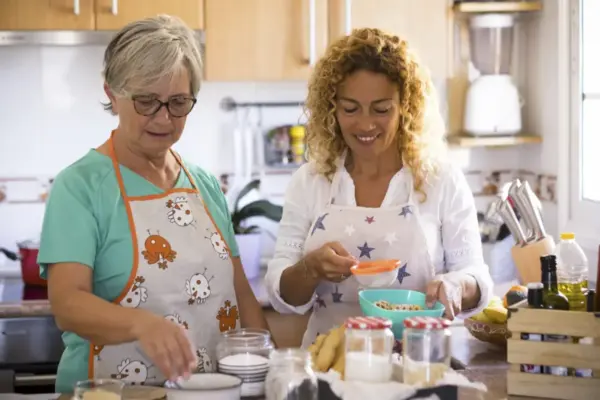
One of the most frequent questions individuals and families face after a type 1 diabetes diagnosis revolves around food and dining traditions: How can someone enjoy their favorite cultural meals while successfully managing their blood glucose levels? Breakthrough T1D’s approach emphasizes that patients do not have to choose between their health and their cultural heritage, affirming that traditional family recipes do not need to be abandoned.
Made possible through generous funding from the Elevance Health Foundation, the organization has developed a growing library of free, downloadable nutrition resources centered around the foods people actually eat. For the Hispanic and Latino community, this initiative includes a dedicated nutrition hub featuring bilingual general nutrition tips, food-label guides, and specialized carbohydrate-counting guides tailored to Mexican and Central American, Hispanic Caribbean, and South American cuisines. Families can find practical guidance for preparing traditional dishes like chilaquiles verdes, sancocho, and Colombian arepas con queso, supported by a specialized video series demonstrating how to manage type 1 diabetes while honoring Hispanic flavors. The broader nutritional library also includes holiday carb-counting guides, resources for diverse Indigenous and Black communities, and instructional videos led by registered dietitians.
Finding Health Data and Resources Locally
The comprehensive resources provided by Breakthrough T1D are fully accessible in both English and Spanish, supported by a network of local chapters across the United States that serve as community hubs for information, events, and peer support. Understanding how chronic conditions like type 1 diabetes impact specific regions can further empower local advocacy and resource allocation. Tools such as the Salud America! Health Report Card allow individuals to enter their county name and generate localized health data complete with interactive maps and comparative metrics.
By visualizing local indicators across health, education, food access, and housing, community members can compare their county’s standing against state and national averages. These tailored reports can then be shared with local leaders, incorporated into grant proposals, or utilized in community presentations to raise awareness and drive meaningful, healthy changes at the grassroots level.