








Over the past decade, a growing wave of entitled tourist behavior has sparked mounting friction in Mexico and across the wider Latin American region. From demanding that local residents speak English to openly disrespecting deeply rooted cultural traditions, a subset of visitors—particularly from the United States—has grown increasingly comfortable displaying xenophobic attitudes while vacationing abroad. This underlying cultural friction has now burst back into the public eye following a viral incident in Mexico City, where an American tourist’s disrespectful conduct toward local workers has reignited intense local conversations about mass tourism, economic displacement, and gentrification in the capital.
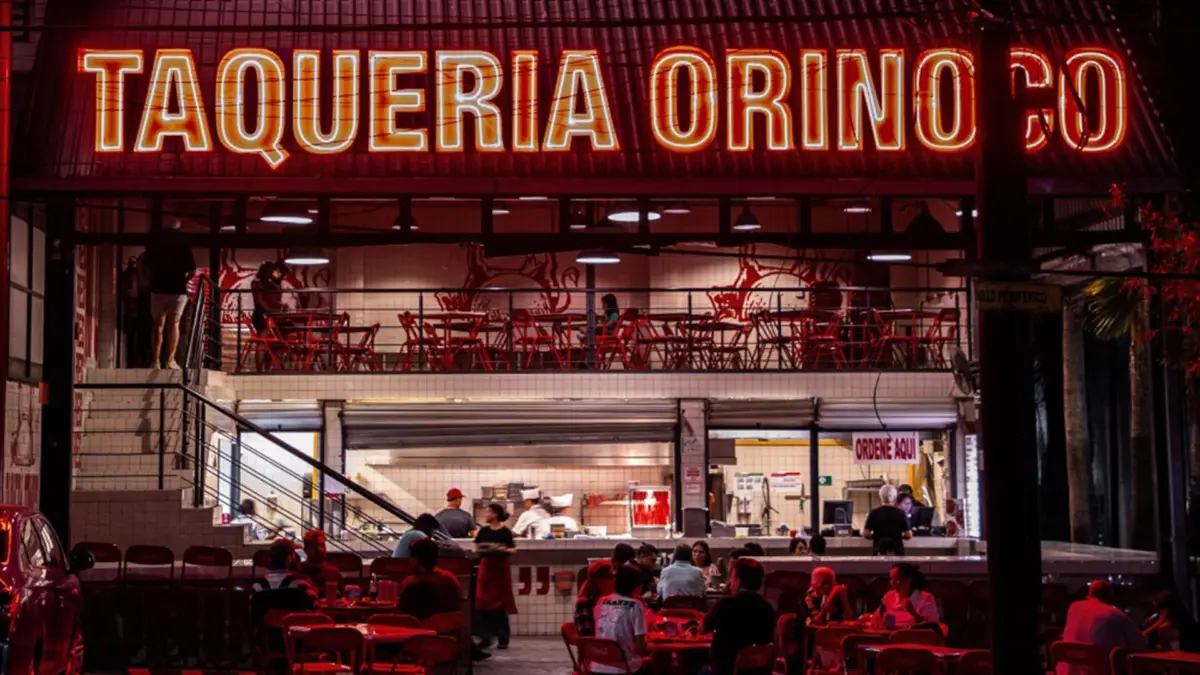
The controversy began earlier this week when a Mexico City resident named Martin Navarro took to TikTok to share two detailed videos describing a volatile altercation with an American tourist at Taqueria Orinoco, a popular local eatery. According to Navarro’s account, the female tourist, who appeared to be visibly intoxicated, demanded that restaurant staff arrange a taxi for her. When the employees politely refused or were unable to fulfill her sudden demand, the situation rapidly escalated. The tourist allegedly became aggressive and struck a waitress.
Navarro recounted that he felt compelled to step in and intervene to protect the staff. In response to his intervention, the tourist allegedly picked up his food and threw his tacos at him. Beyond the physical confrontation and property disruption, Navarro noted that the woman engaged in systematic verbal harassment. She reportedly berated the restaurant workers by repeatedly asking them how much money they were paid, leveraging the stark economic disparity between foreign visitors and local service workers in a derogatory manner, while also uttering xenophobic slurs.
Despite the severity of the incident, Navarro stated publicly that he ultimately chose not to press formal criminal charges against the tourist. He explained that navigating the local legal and administrative process would simply be too burdensome and overwhelming for him to pursue. Nevertheless, the digital footprint of the altercation was already cemented. The videos spread rapidly across social media platforms, capturing widespread public attention and touching a raw nerve regarding the broader socioeconomic impacts of foreign visitors in Mexico’s urban centers.
The fallout from the viral video has breathed new life into ongoing, contentious public debates surrounding entitled foreign tourists and the rapid acceleration of gentrification in Mexico City. For years, neighborhoods across the capital have grappled with the influx of remote workers and expatriates, a trend that has accelerated significantly since the COVID-19 pandemic. The latest incident served as a catalyst for thousands of users to air their frustrations online, drawing hundreds of critical comments reflecting deep-seated community grievances.
Reflecting the sentiment of many residents online, one TikTok user wrote that nearly all the video content circulating online regarding Americans in Mexico City seems to highlight a recurring pattern of arrogance and disrespect toward locals. Another user shared a poignant critique in the comments section, highlighting the hypocrisy often observed in tourist attitudes: “They ask how much we make here, but they’re the first ones to come to Mexico because life is less expensive and they feel like kings.”
This latest social media firestorm does not exist in a vacuum. Mexico City has witnessed a series of organized protests and public demonstrations against gentrification in recent years. These civic movements have been fueled by a convergence of compounding pressures, including incidents of cultural disrespect, soaring local inflation, and the displacement of longtime neighborhood residents who are increasingly priced out of their own communities by rising housing costs and shifting local economies.
In response to these mounting pressures, some community members and local advocates are now calling for municipal authorities to implement stricter regulations, restrict certain tourism practices, or take more decisive policy action against unruly and entitled visitors. While local communities and observers hope that social standards and visitor accountability might improve over time, the broader issue of disrespectful tourist behavior continues to present a persistent and growing challenge across communities throughout Latin America.