









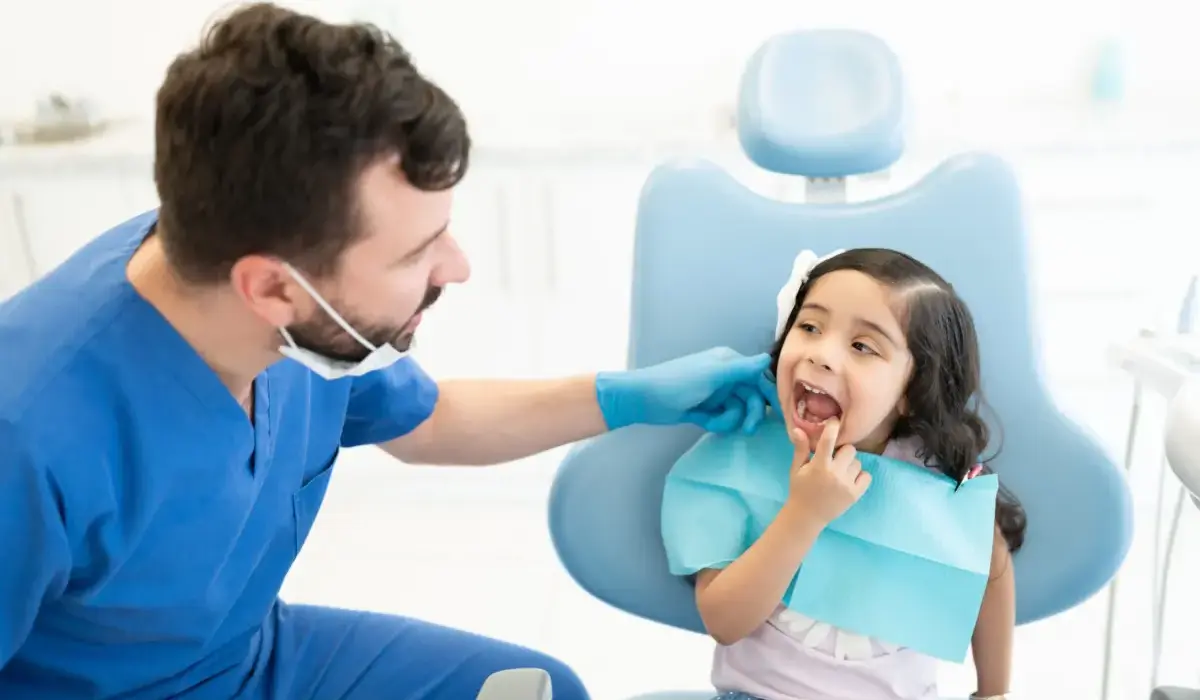
Dental hygiene and education remain fundamental pillars of daily personal care and overall well-being. Yet, despite widespread understanding of the importance of brushing and flossing, millions of people across the United States continue to suffer from preventable dental conditions. According to recent data from the Centers for Disease Control and Prevention (CDC), nearly 26 percent of adults and a staggering 46 percent of children live with untreated or restored dental caries, more commonly known as cavities. These statistics highlight a persistent public health challenge that affects communities nationwide, impacting children’s ability to learn in school and adults’ capacity to maintain steady employment and quality of life.
In response to these enduring disparities, October is recognized annually as National Dental Hygiene Month. This nationwide observance serves a dual purpose: it honors the dedicated dental hygienists who work tirelessly on the front lines of preventive care, and it raises crucial awareness about the necessity of maintaining good oral hygiene practices. As health advocates and community leaders look for effective ways to address these challenges, a variety of trusted digital resources and educational tools have emerged to help families and communities navigate the complexities of oral health care, insurance, and daily routines.
Mouth Healthy: Empowering Consumers with ADA Resources
Among the leading national organizations providing guidance is the American Dental Association (ADA), which offers comprehensive support through its specialized platform, Mouth Healthy. The website serves as an extensive public information hub, delivering practical advice on a wide range of topics designed to help individuals make informed decisions about their dental care.
Navigating the dental care system can often feel overwhelming for patients who lack insurance or are unsure how to evaluate providers. To address this, Mouth Healthy provides clear tips on how to choose a dentist, alongside vital educational content examining the impact of nutrition on dental health and the detrimental effects of nicotine use on oral tissues. The platform also addresses the often-stressful aspect of financing treatments, offering guidance on paying for dental care.
Beyond broader health education, the platform outlines step-by-step tools for establishing and maintaining effective daily dental routines at home. For individuals seeking direct care, the website features a specialized Find-a-Dentist tool, enabling patients to easily locate qualified dental professionals practicing in their immediate geographic area.
National Maternal and Child Oral Health Resource Center
Reaching populations early in life is critical to establishing lifelong hygiene habits, making resources focused on families and young children exceptionally valuable. The National Maternal and Child Oral Health Resource Center provides a wealth of specialized information designed to support parents, caregivers, and health professionals alike.
The center hosts an extensive digital library covering essential topics such as health literacy, pediatric and maternal nutrition, and the specific importance of maintaining oral health during pregnancy. Recognizing the diverse linguistic needs of modern communities, many of these resources are made available in multiple languages, including Spanish, ensuring that non-English-speaking families can access vital health information without language barriers.
To further assist parents, the organization produces easy-to-read consumer publications, brochures, comprehensive guides, and manuals addressing various dental health topics. These materials empower families with the knowledge needed to prevent early childhood caries and instill proper brushing habits from a very young age.
The U.S. Centers for Disease Control and Prevention
At the federal level, the U.S. Centers for Disease Control and Prevention (CDC) plays a critical role in tracking oral health trends, conducting research, and establishing evidence-based guidelines for public health interventions. The agency emphasizes the profound connection between oral health and systemic wellness, noting that problems in the mouth can often reflect or exacerbate broader health conditions.
A key focus of federal public health initiatives involves bridging the traditional gap between general medicine and dentistry. According to the CDC, integrating medical and dental practices—particularly by linking oral health initiatives with chronic disease prevention programs—yields substantial benefits for patients while simultaneously reducing healthcare costs. By viewing oral hygiene as an integral component of comprehensive healthcare rather than an isolated specialty, public health agencies aim to improve early detection of chronic illnesses and streamline patient care.
Improving Health at the Community Level
While individual habits and clinical visits are essential, true wellness is deeply influenced by the broader social and environmental conditions in which people live, work, and grow. Dental hygiene contributes significantly to overall health, but the overall state of a community’s health depends on a complex interplay of factors, including access to nutritious food, quality education, stable housing, and reliable transportation.
To help residents evaluate and address these foundational elements, advocacy tools such as the Salud America! Health Report Card allow individuals to examine the specific health indicators of their local towns and counties. By entering a county name, users can generate local data complete with interactive maps and comparative gauges that illustrate how their region compares to the rest of the state and the nation.
These comprehensive report cards help community members visualize local challenges across education, housing, transportation, and health sectors. Armed with this localized data, residents, advocates, and health professionals can email the report cards to local leaders to raise awareness, incorporate the statistics into grant proposals or public presentations, and share findings on social media to inspire measurable, health-focused changes within their neighborhoods.