



Growing up in the diverse suburbs of New Jersey, the soundtrack of daily life was often a dynamic interplay of English and Spanish. For many children of immigrants, cultural identity is not forged in a single, monumental epiphany; rather, it is built brick by brick through ordinary, domestic rituals. For one Dominican-American writer, those foundational moments did not take place on a historical tour or at a cultural festival, but rather in the quiet glow of a living room television set, framed by the familiar sounds of dinner preparations, clattering pots and pans, and family debates.
In households across the region during the late 20th century, Spanish-language broadcasting networks such as Univision and Telemundo served as a constant backdrop. When the evening news or dinner hour arrived, the television speakers filled the room with Spanish dialogue that competed with family conversations and friendly arguments over who held the remote control. More often than not, the household would settle on appointment television—shows that commanded a loyal following and brought families together at the exact same hour every week.
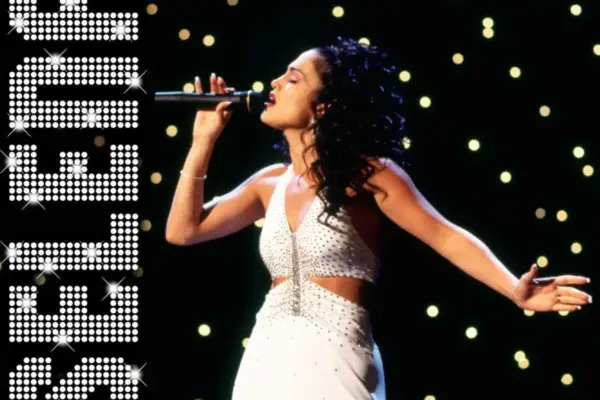
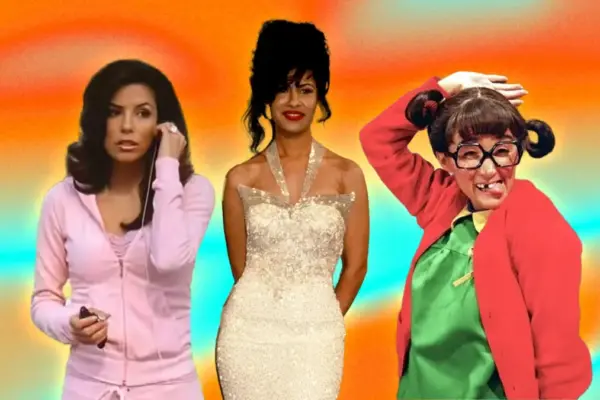
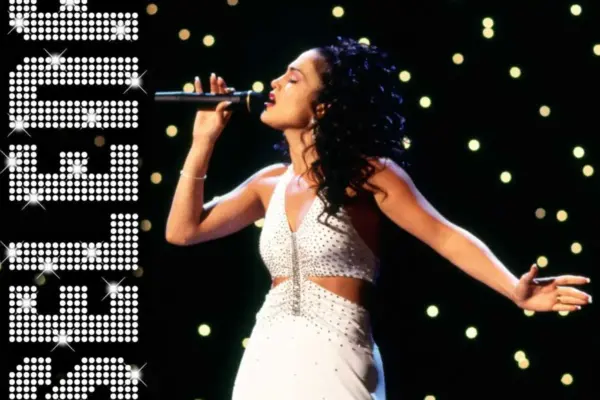
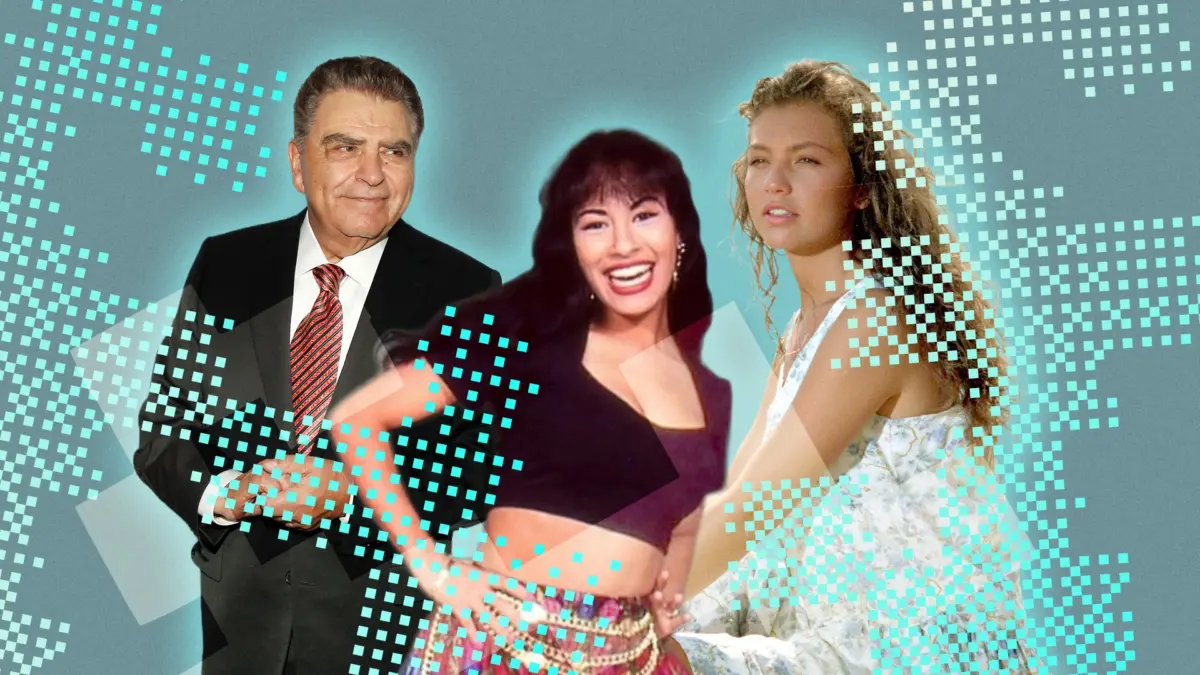
Among the most vivid memories of this era are the afternoon and evening broadcasts of hit telenovelas like Marimar, starring Mexican pop icon Thalía alongside Eduardo Capetillo. For many young viewers, characters from these melodramas provided their first televised crushes and emotional anchors. Weekends brought a different kind of communal energy with Sábado Gigante, the legendary variety show hosted by Don Francisco. Families looked forward to its eclectic mix of comedy, human-interest segments, and musical performances all week long. The cultural impact extended to musical icons like Selena, whose performances, interviews, and music videos were replayed endlessly by households that never seemed ready to let those fleeting moments of brilliance fade away.
There was something undeniably powerful about hearing the Spanish language spoken in a domestic space thousands of miles away from the Caribbean or Latin America. Even when the specific plots of the telenovelas did not mirror the exact lived experiences of a Dominican family in New Jersey, the underlying emotional truth felt intimately familiar. The expressive hand gestures, intense family dynamics, distinct brands of humor, and larger-than-life personalities reflected pieces of a shared culture that viewers instinctively recognized and embraced.
Watching a broadcast like Marimar was rarely a solitary or quiet affair. A mother might shake her head in disbelief at a character’s questionable decision, prompting another family member to immediately chime in with a knowing critique, such as declaring that they had predicted the outcome all along. Within moments, the living room would fill with overlapping voices, laughter, gentle teasing, and playful debates over who was right.
This lively atmosphere mirrored the exact energy found at traditional Dominican family gatherings, where adults laughed over decades-old stories and debated everything from neighborhood gossip to the unfolding drama on the screen. Someone was always calling out from another room, yet somehow everyone remained part of the overarching conversation. Even though the television programs were not explicitly Dominican, watching them alongside parents, siblings, and extended family members created an authentic sense of home.
Cultural resonance, as it turned out, did not always require direct representation. Marimar was a Mexican production, and Selena was a Mexican-American artist who captivated millions across the entire Spanish-speaking diaspora. Yet culture is frequently transmitted not through literal mirrors, but through deep-seated recognition. The cadence of the language, the emotional highs and lows, and the communal viewing experience bridged geographic divides.
At the time, these evening rituals were not viewed through an analytical lens as acts of cultural preservation. To a child growing up in New Jersey, it was simply television time shared with family. Decades later, however, those ordinary moments reveal themselves to have been profound lessons in identity, teaching children who they were and where their families originated.
For countless immigrant families across the United States, broadcast media functioned as much more than mere entertainment. It acted as a vital bridge connecting the world parents left behind with the vastly different society their children were navigating daily. For a Dominican household, these programs helped preserve the Spanish language, musical traditions, humor, and an emotional tether to the homeland while simultaneously building a new life in America.
That was the unique magic of appointment television. Families tuned in simply because a scheduled program was airing, and it organically transformed into family conversation because everyone had witnessed the exact same narrative unfold in real-time. A child could spend the school day speaking English with peers and educators, only to return home to a living room resonant with Spanish. Growing up in New Jersey did not require choosing one identity over the other; thanks to the cultural crossover happening on screen, young people could comfortably inhabit both worlds.
Even today, hearing the iconic opening notes of Marimar instantly evokes memories of those evenings spent surrounded by family. Yet the mechanics of how people consume television and media have shifted dramatically. Modern audiences no longer wait anxiously for a scheduled broadcast time, nor do they necessarily gather in the living room to negotiate what everyone will watch together. Instead, contemporary viewers stream content independently on personal devices whenever their schedules permit. When a piece of media triggers a laugh or a nostalgic memory of home, the method of sharing has evolved from living room commentary to digital links, clips, and memes passed along in family group chats.
While the fundamental human desire for connection remains entirely intact, its physical shape has transformed. In decades past, a telenovela storyline, a memorable performance on Sábado Gigante, or a song broadcast into millions of homes automatically became the universal topic of conversation the very next day. Everyone had seen it, and everyone had an opinion. In the modern media landscape, characterized by endless choices, algorithms, and personalized feeds, audiences consume divergent shows, follow different digital creators, and encounter culture along fragmented pathways. Shared cultural moments have not vanished entirely, but they have undeniably become less automatic.
Concurrently, the landscape of representation has undergone a massive structural shift. Latino creators are no longer waiting for traditional gatekeepers to grant them representation; they are actively building it themselves. Today, a young Dominican child in New Jersey can open a smartphone and instantly find digital communities, independent filmmakers, and content creators who reflect their specific, nuanced experiences. This unprecedented creative freedom and accessibility represent a monumental step forward for media diversity.
At the same time, some who remember the older eras occasionally miss the collective synchronization of appointment television—the distinct feeling that an entire community was watching the exact same story unfold at the exact same moment.
Although distribution platforms have expanded far beyond traditional telenovelas and variety shows to encompass TikTok, independent podcasts, YouTube channels, and subscription streaming networks, the fundamental human yearning for belonging remains unchanged. Audiences still actively seek out media that evokes the feeling of home and desire to share those discoveries with the people who originally defined what home meant.
For individuals who grow up caught between two cultures, heritage is transmitted through far more than historical accounts of ancestral homelands. It lives on in spoken language, family recipes, traditional music, and the ordinary, unscripted moments shared in close proximity with loved ones.
For many, that heritage is permanently etched in the memory of a television glowing softly in a New Jersey living room, filling the house with the warmth of the Spanish language. What once seemed like basic entertainment ultimately proved to be a profound formative force, driven not just by the content on the screen, but by the shared experience of watching it together.
Modern audiences possess more pathways to cultural connection than at any other point in history. The ongoing challenge lies in finding ways to keep those experiences shared, ensuring that culture remains not merely something individuals passively consume, but something actively experienced, remembered, and passed down to future generations.