









The cultural resonance of the Hispanic experience in America often crystallizes in the simplest, most fundamental human acts: labor, perseverance, and the drive to build a better tomorrow. This reality was brought to the forefront recently when Felix Contreras, the longtime host of NPR’s Alt.Latino and coordinator of the acclaimed "El Tiny" series, introduced the legendary regional Mexican band Los Tigres del Norte ahead of their celebrated Tiny Desk performance. Watching that introduction served as a poignant reminder of a truth that has long anchored generations of Hispanic families across the United States: at the core of the community’s identity is an unwavering commitment to work.
Across generations, the narrative has remained remarkably consistent. Hispanic individuals and families work hard, put in long hours, build physical infrastructure, launch small businesses, raise children, and strive to create upward mobility for the generations that follow. It is this fundamental ethos—one rooted in dignity, labor, and forward momentum—that inspired Sergio Barajas, executive director of the National Hispanic Construction Alliance, to conceptualize a movement he calls "Operation We Back."
The title itself is deliberately chosen, serving as a poignant play on a painful and difficult chapter in American history: "Operation Wetback." Initiated in the summer of 1954, the original federal immigration enforcement campaign resulted in the mass removal of hundreds of thousands of Mexicans and Mexican Americans. Tragically, the sweep often cast a wide and indiscriminate net, ensnaring individuals who were legally present in the country as well as U.S. citizens, leaving generational scars and a legacy of deep-seated fear and uncertainty within Hispanic communities.
Today, as contemporary immigration enforcement policies and rhetoric once again ripple across communities nationwide, many families report experiencing a familiar sense of anxiety. While the modern sociopolitical and economic circumstances surrounding immigration differ in various ways from the mid-20th century, the emotional weight, the uncertainty, and the underlying fear of marginalization often feel remarkably similar for those caught in the crosshairs.
Yet, Barajas emphasizes that amidst the policy debates and enforcement headlines, there is another narrative that demands to be told—one that is frequently overlooked or overshadowed by political rhetoric. It is the fundamental story of people who came to the United States to work.
This is the narrative of individuals who wake up long before dawn, pull on their work boots, and head out to demanding job sites across the country. It is the story of people who arrive, learn a trade from the ground up, master complex skills, start their own companies, hire local employees, pay their taxes and bills on time, purchase homes, and invest deeply in the social and economic fabric of their neighborhoods. It is the story of millions who simply wanted to pursue opportunity and build a life the right way.
That is not to suggest that the journey has been without missteps or complexities. Like any large and diverse demographic group, mistakes have been made, and there have certainly been individuals who failed to follow established legal processes or rules. However, Barajas and other community advocates argue that observers must exercise caution to avoid conflating the basic human desire to work, provide for a family, and secure a livelihood with criminal intent.
For generations, the foundational motivation driving Hispanic immigrants and their descendants has remained remarkably simple and universal: to work, to provide, to build, and to move forward. This steadfast spirit of industriousness is perhaps nowhere more visible and vital than in the American construction industry.
A walk onto almost any major construction or infrastructure job site in the United States reveals the sheer scale of this contribution. Hispanic workers, independent subcontractors, and seasoned general contractors form the backbone of the American built environment. They are actively helping construct the residential homes families live in, the highways and bridges that drive commerce, the schools where children are educated, and the vibrant local communities that people call home.
Crucially, these workers and entrepreneurs are not looking for handouts or special privileges from the government or society. Instead, they are asking for what has always been promised by the American dream: a fair opportunity to compete, succeed, and contribute based on the merit of their labor.
This philosophy forms the heartbeat of "Operation We Back," a campaign and mindset designed to shift the cultural and economic conversation surrounding Hispanic professionals. For Barajas, the concept represents a clear declaration of solidarity with those who form the bedrock of the nation’s labor force.
Under this framework, supporters back the individual who gets up every single morning before the sun rises and heads out to perform grueling physical labor. They back the ambitious contractor who started out with little more than a single pickup truck, a basic set of hand tools, and a dream, and who is now working tirelessly to scale a legitimate small business. They back the mothers and fathers who willingly endure grueling schedules and long hours because they are determined to ensure their children have access to vastly superior educational and professional opportunities than they themselves enjoyed.
Furthermore, the movement seeks to back the broader communities that grow stronger, safer, and more economically vibrant precisely because these families and entrepreneurs chose to invest their valuable time, unique talents, and hard-earned financial resources into them.
This perspective does not rely on romanticizing the past or pretending that the immigrant and minority experience in America has always been seamless or equitable. It has not. Challenges related to systemic barriers, access to capital, language hurdles, and social discrimination remain persistent obstacles.
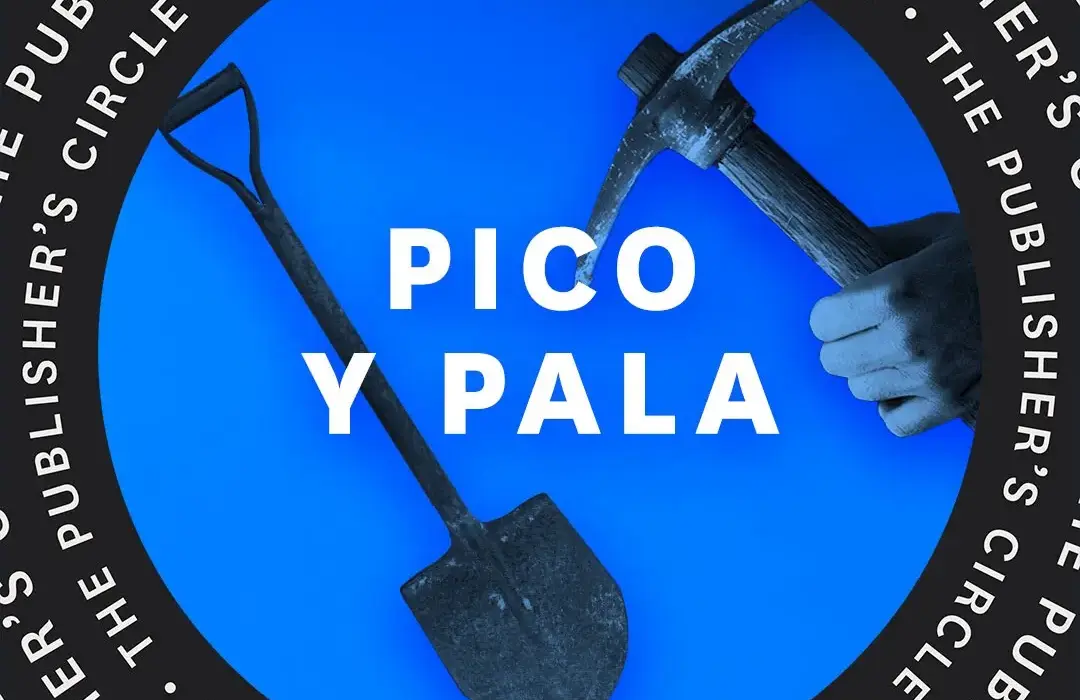
Rather, the focus is placed squarely on recognizing the underlying intent that drives the journey. It is encapsulated by the traditional phrase pico y pala—pick and shovel. It speaks to a cultural ethos defined by keeping one’s head down, keeping hands working, placing family first, and standing by the community always.
Ultimately, the core narrative remains grounded in fundamental action: we work, we build, and we contribute. And through initiatives like Operation We Back, the focus returns to supporting those who continue to shape the physical and economic landscape of the nation.
Sergio Barajas serves as the executive director of the National Hispanic Construction Alliance, where he spearholds initiatives aimed at expanding organizational capacity, improving access to vital capital, and creating sustainable business opportunities for Hispanic contractors and construction professionals. With a distinguished career spanning three decades in housing development, construction, and financial services, Barajas has held leadership and advisory roles with prominent organizations including the National Association of Hispanic Real Estate Professionals, Freddie Mac, the National Community Stabilization Trust, and the Los Angeles Housing Department. Based in San Diego, California, he continues to write and advocate on issues related to workforce development, industry advocacy, and the indispensable role of the Hispanic workforce in fostering a stronger, more equitable American economy.