








The Hispanic Association of Colleges and Universities and Our Lady of the Lake University recently hosted a landmark panel discussion titled “The Road to 40 Years: A Conversation,” marking a significant milestone in the organization’s history. Held on October 7, 2026, at Our Lady of the Lake University in San Antonio, Texas, the event served as a foundational cornerstone for HACU’s year-long 40th-anniversary celebration. The gathering brought together prominent figures in American higher education to reflect upon four decades of advocacy, growth, and institutional transformation dedicated to expanding educational opportunities for Hispanic and minority students across the United States and beyond.
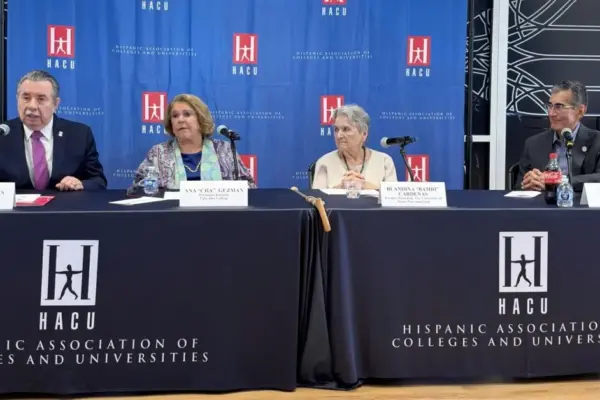
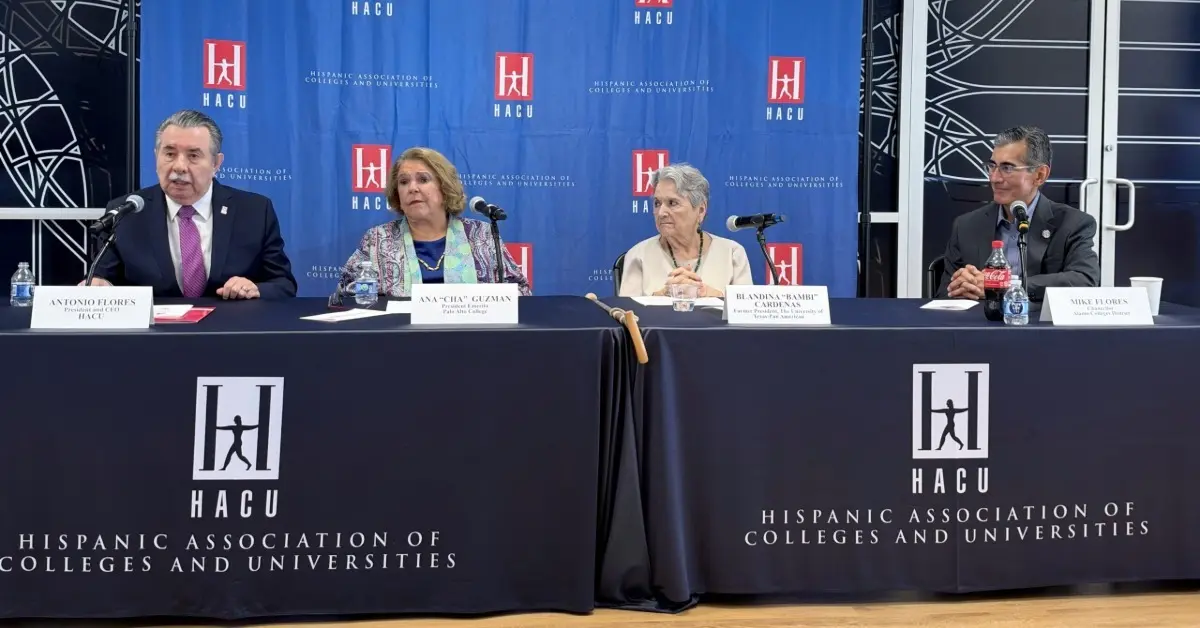
The high-profile panel featured a distinguished roster of leaders who have deeply shaped both the trajectory of HACU and the broader landscape of Hispanic-Serving Institutions. The participants included HACU President and CEO Antonio R. Flores; Alamo Colleges District Chancellor and immediate past chair of the HACU Governing Board Mike Flores; Blandina “Bambi” Cárdenas, former president of the University of Texas-Pan American; and Ana “Cha” Guzman, president emerita of Palo Alto College. The conversation was expertly guided and moderated by OLLU President Abel A. Chávez, who steered the dialogue through historical reflections, pressing contemporary challenges, and forward-looking strategic visions.
This historic conversation served as more than just a retrospective look at the past; it was a gathering of architects who built the modern framework for Hispanic higher education advocacy. Over the course of the event, these leaders explored how an association born out of a modest gathering in San Antonio transformed into an international powerhouse representing hundreds of colleges and universities committed to student success, equity, and institutional excellence.
Four Decades of Advocacy and the Legacy of OLLU
The selection of Our Lady of the Lake University as the venue for this commemorative event carried profound historical significance. It was at this very institution in 1986 that HACU was officially founded during a pivotal meeting involving just 18 charter member institutions. At a time when the unique needs of colleges and universities educating significant numbers of Hispanic students were largely overlooked by mainstream educational policy and funding mechanisms, these founding institutions recognized an urgent need for a unified voice.
Over the past four decades, that single gathering in San Antonio blossomed into a robust, internationally recognized association. Today, HACU’s membership spans far beyond Texas and the United States, growing to include higher education institutions across the United States, Latin America, and Spain. Throughout this remarkable expansion, the association has remained steadfast in its core mission: championing Hispanic-Serving Institutions and advocating for the resources, policies, and recognition necessary to ensure that the students they serve receive an equitable, high-quality education.
During the panel discussion, participants reflected deeply on these foundational years. They recalled the early hurdles faced by advocates who had to forge a brand-new identity for institutions that were evolving organically to meet the demographic shifts of the American Southwest and the broader nation. Panelists discussed the immense dedication required to elevate the profile of HSIs from regional colleges into nationally recognized powerhouses of social mobility and academic achievement.
Voices from Higher Education Leadership
The dialogue featured rich insights from leaders who have spent decades on the front lines of educational leadership and public policy. Antonio R. Flores, who has led HACU through a transformative era of growth and increased national visibility as its President and CEO, shared perspectives on the evolution of the association’s advocacy efforts on Capitol Hill and in state legislatures. Under his long-standing leadership, HACU has successfully pushed for increased federal recognition and funding for HSIs, helping to institutionalize support that was once sporadic and unreliable.
Mike Flores, Chancellor of the Alamo Colleges District and immediate past chair of the HACU Governing Board, brought a vital community college perspective to the panel. Community colleges have historically served as primary access points for Hispanic students entering higher education, and Chancellor Flores emphasized the critical pipeline that connects two-year institutions to four-year universities. His reflections underscored the collaborative spirit required across different tiers of higher education to ensure student retention, degree completion, and seamless transfer pathways.
The conversation also benefited immensely from the historical depth and visionary leadership of Blandina “Bambi” Cárdenas, former president of the University of Texas-Pan American. Dr. Cárdenas, a legendary figure in education policy, civil rights, and academic administration, reflected on the broader socio-political environment in which HACU was forged. She highlighted the persistent advocacy required to secure equity in higher education funding and the ongoing responsibility of HSIs to serve not only as centers of learning, but as cultural and economic anchors for their surrounding communities.
Adding further depth to the dialogue was Ana “Cha” Guzman, president emerita of Palo Alto College. Guzman spoke passionately about the localized impact of Hispanic-Serving Institutions and the intimate connection between campus leadership and student empowerment. Having dedicated her career to fostering environments where historically underserved students can thrive, Guzman emphasized that the success of HACU is ultimately measured by the individual lives transformed in classrooms across the nation.
Moderating the discussion, OLLU President Abel A. Chávez skillfully wove these diverse perspectives into a cohesive narrative. By connecting the historical roots of the university to the modern strategic imperatives facing higher education, Chávez ensured that the dialogue resonated with current students, faculty, administrators, and community members in attendance.
Addressing Current Challenges and Future Opportunities
While a significant portion of “The Road to 40 Years: A Conversation” was dedicated to celebrating past milestones, the panelists did not shy away from addressing the complex realities facing higher education today. The conversation naturally transitioned into a forward-looking examination of the current landscape, touching upon emerging economic pressures, shifting demographic trends, and evolving legislative priorities that impact Hispanic-Serving Institutions.
Panelists discussed the pressing need for sustainable funding structures that match the rapid growth of the Hispanic student population. Although HSIs enroll a massive share of the nation’s college students, historical funding disparities have often left these institutions working with fewer resources per student compared to their traditional counterparts. The leaders on stage explored innovative strategies for resource allocation, philanthropic partnerships, and legislative advocacy aimed at closing these persistent gaps.
Furthermore, the discussion addressed the changing expectations of the modern workforce. As industries evolve rapidly due to technological advancements, automation, and global economic shifts, Hispanic-Serving Institutions find themselves at the forefront of workforce development. Panelists emphasized that HSIs are uniquely positioned to adapt to these changes because of their deep community roots and flexible programmatic offerings. They highlighted the importance of equipping students with cutting-edge skills while maintaining a strong foundation in the liberal arts and critical thinking.
The future opportunities discussed during the panel also extended globally, reflecting HACU’s international footprint. With member institutions spanning Latin America and Spain, the association continues to foster international academic collaborations, student exchanges, and cross-border research initiatives. Panelists noted that these global connections enrich the academic environment for all students and prepare them to navigate an increasingly interconnected world.
As HACU looks toward its upcoming milestone celebrations and the decades ahead, the panel discussion at Our Lady of the Lake University served as a powerful reminder of the vision, resilience, and unity that brought the organization into existence forty years ago. By honoring the past while critically engaging with the future, the leaders reinforced their collective commitment to advancing educational equity and ensuring that Hispanic-Serving Institutions continue to drive the intellectual and economic prosperity of the nation.