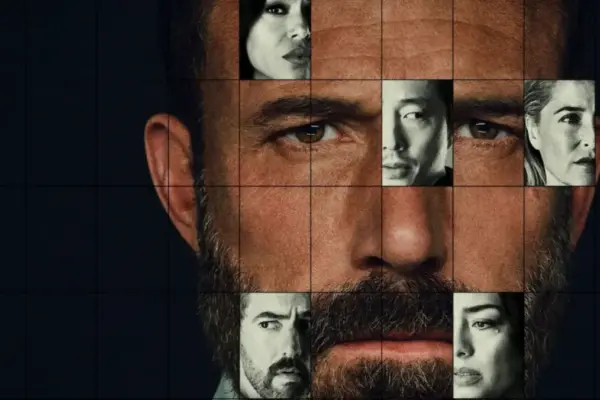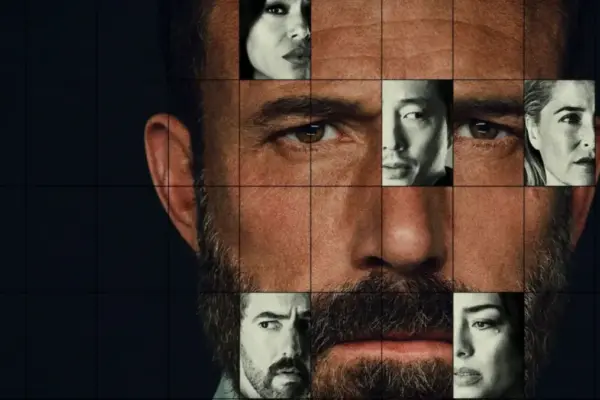




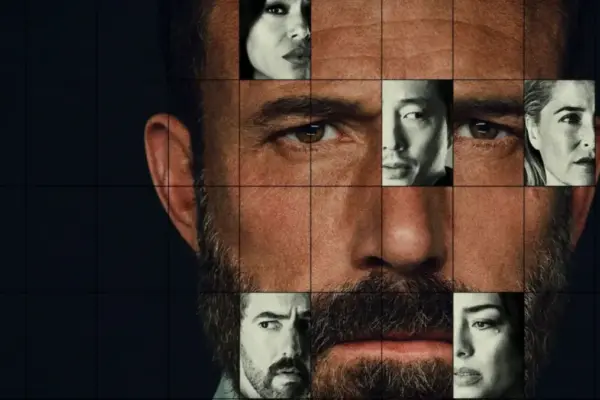





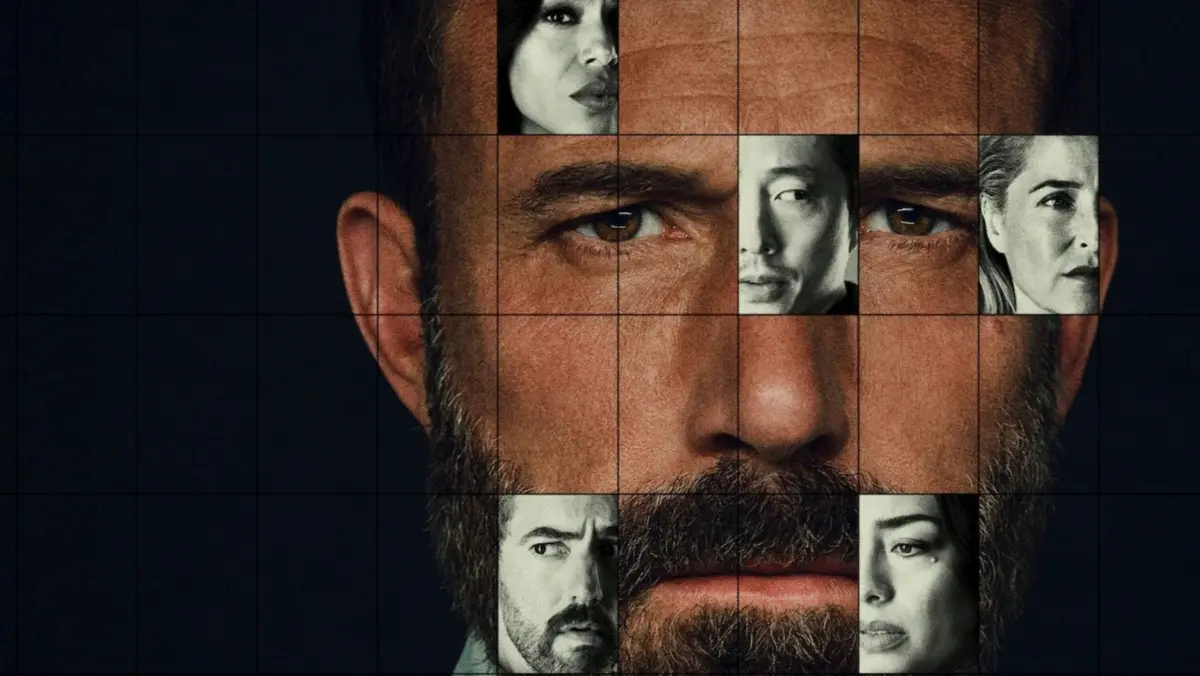
Ben Affleck recently sat down with veteran journalist Jorge Ramos to discuss his new Netflix thriller, "Animals," revealing that the project evolved far beyond a standard Hollywood crime drama. During the interview, Affleck reflected deeply on the current socio-political landscape in the United States, his personal and family ties to the immigrant experience, and how real-world events dramatically reshaped the production of the film.
The project, which streams on Netflix, stars a powerhouse ensemble cast including Kerry Washington, Gillian Anderson, Steven Yeun, and Ray Fisher alongside its Mexican leads. Produced in association with Artists Equity—the artist-first studio Affleck co-founded alongside longtime collaborator Matt Damon—"Animals" tackles complex themes of power, vulnerability, and humanity. However, it was the integration of authentic immigrant narratives that ultimately defined the heart and soul of the film.
Speaking with Ramos, Affleck made it clear that the project was never conceived as a detached creative exercise. He emphasized that the United States is fundamentally a country of immigrants, noting that his own family history and background informed his perspective. For Affleck, the struggles and journeys of Luis and Adriana, the two Mexican characters at the center of the film, reflect the broader story of the United States itself. This conviction guided every major decision he made as co-writer and director, even as he navigated the inherent risks of addressing immigration in today’s polarized political climate.
He Knew Making This Film Was a Risk and He Made It Anyway
Affleck was remarkably candid about the professional and cultural risks associated with centering a mainstream project around the dignity and humanity of immigrant characters. In the current socio-political climate surrounding immigration in the United States, creating a narrative that views undocumented or immigrant populations with empathy is often viewed by Hollywood executives as a commercial gamble.
Despite industry anxieties—such as the persistent assumption among studio executives that English-speaking audiences exhibit "subtitle resistance" and might disengage from non-English dialogue—Affleck refused to water down the story. He argued that the social relevance of the narrative and the imperative to represent the immigrant experience with absolute honesty far outweighed any commercial calculations.
To ensure authenticity, Affleck took the unusual step of handing creative control over to his Mexican cast members. Rather than relying on translated lines written from an outsider’s perspective, he invited renowned actors Luis Gerardo Méndez and Adriana Paz to write their own dialogue. By giving them the pen, Affleck ensured that the conversations on screen reflected genuine cultural nuances, emotional truths, and realistic lived experiences rather than Hollywood cliches. This collaborative approach allowed the film to explore deeper layers of human dignity, showing immigrant characters not as passive victims or background players, but as the active protagonists of their own complex stories.
ICE Was Operating on His Filming Locations and the Script Was Playing Out in Real Life
The production of "Animals" in Los Angeles took on an eerie and profound sense of urgency due to external events that no filmmaker could have scripted. During the principal photography phase, the crew repeatedly encountered the harsh realities of contemporary immigration enforcement when U.S. Immigration and Customs Enforcement (ICE) operations took place directly in the areas where they were scheduled to film.
On multiple occasions, production had to be abruptly paused because ICE agents were actively operating on or near the filming locations. Affleck described witnessing these dramatic scenes unfold in real time as an extraordinary and sobering experience. The fiction he was directing on screen was colliding violently and immediately with the stark realities happening on the very same Los Angeles streets.
Rather than viewing these interruptions as mere logistical inconveniences, Affleck noted that these real-world disruptions fundamentally changed his understanding of the movie he was making. Witnessing the fear, tension, and disruption faced by immigrant communities firsthand sharpened the project’s focus and intensified the creative responsibility felt by everyone on set. This surreal convergence of fiction and reality infused "Animals" with a visceral depth and gravity that conventional research or preparation could never have replicated.
He Said This Is a Country of Immigrants and His Family Proves It
The interview with Jorge Ramos placed Affleck’s creative choices into a deeply personal context. The filmmaker reiterated that the subject of immigration is not an abstract political talking point for him, but a reality rooted in his own family lineage and personal connections. By framing the struggles of Luis and Adriana as part of the broader American narrative, Affleck sought to remind viewers that the nation’s cultural and economic fabric has historically been woven by people who arrived from other lands in search of a better life.
As "Animals" streams to global audiences on Netflix, it enters a national conversation that is already deeply charged, personal, and urgent for millions of viewers. By leaning into the discomfort, taking calculated creative risks, and allowing his actors to authentically voice their own experiences, Affleck has delivered a film that reflects the turbulent reality of modern America.