


Growing up in New Jersey, the soundtrack of afternoon and evening routines was rarely quiet. Between the clatter of pots and pans, family conversations, and the occasional spirited argument over who got to control the remote, the television glowed faithfully from the corner of the room. For many children of immigrants, Spanish-language broadcast media served as an immediate tether to a homeland they may have only known through stories. While those programs did not always tell the exact story of a Dominican household in suburban New Jersey, they provided something equally vital: a profound sense of cultural recognition.
For many families navigating life between two cultures, networks like Univision and Telemundo were fixtures of daily life. The living room was frequently filled with the dramatic flair of telenovelas, the high-energy spectacle of weekend variety shows, and the timeless music of legendary performers. These broadcasts did more than merely entertain; they acted as a cultural bridge, connecting the world parents left behind with the one their children were growing up in.
The Ritual of Appointment Television
Long before the era of on-demand streaming, algorithms, and personalized digital feeds, television viewing was an active, communal ritual. Families gathered around the television set at specific times because a favorite program was airing, turning broadcast schedules into unwritten community events.
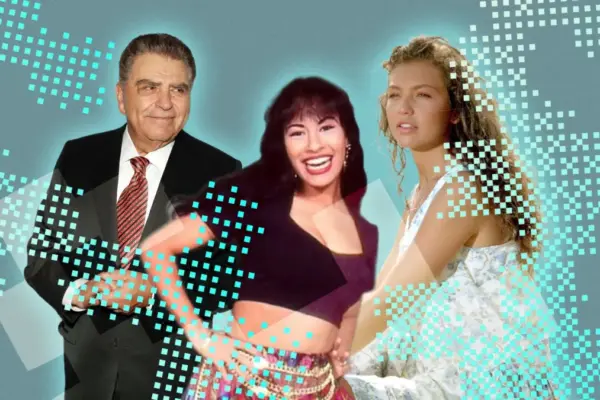
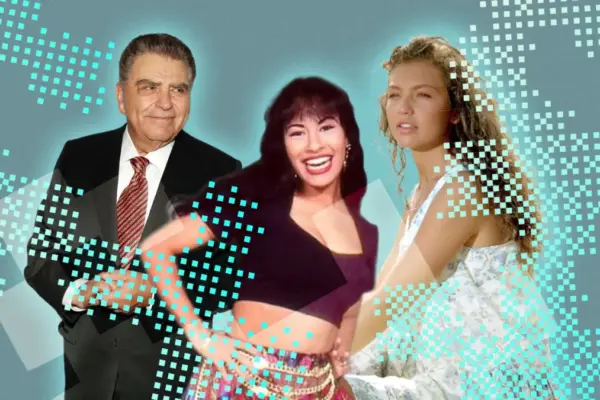
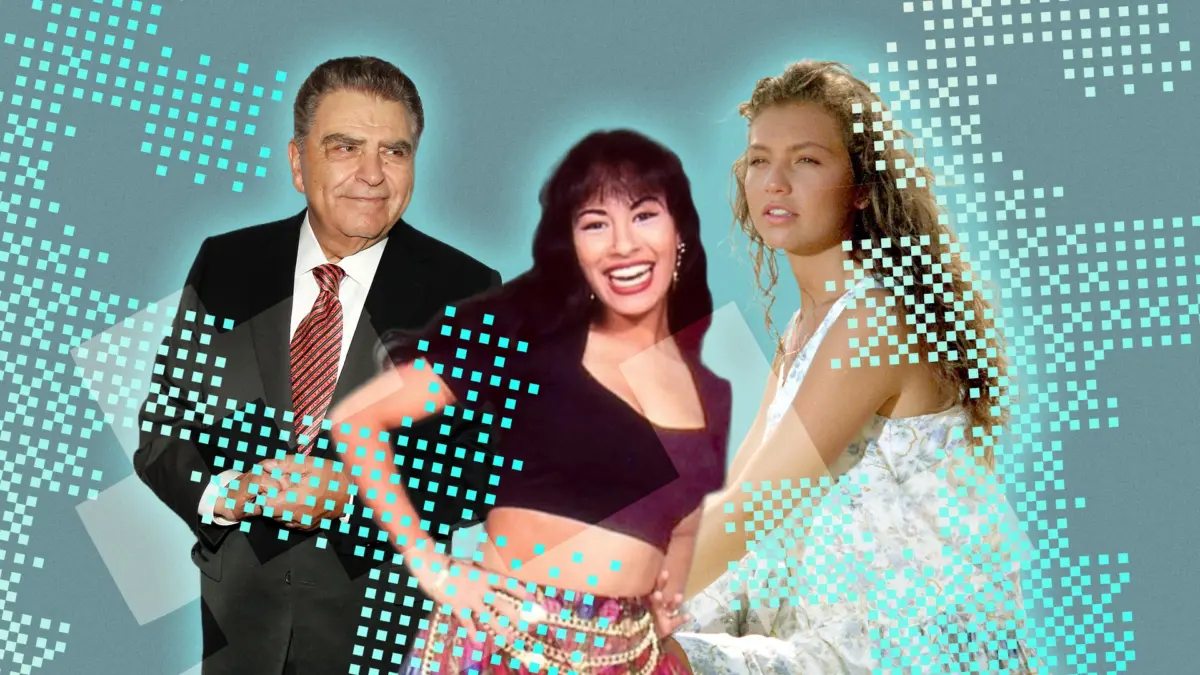
For one Dominican-American household in New Jersey, this routine often revolved around iconic programming of the 1990s. Viewers remember watching Marimar, the beloved Mexican telenovela starring Thalía and Eduardo Capetillo, which routinely captured household attention. Weekends brought a different kind of excitement with Sábado Gigante, hosted by the legendary Don Francisco, a program that families looked forward to all week long. The lingering cultural impact of artists like Selena—whose music videos and televised performances were replayed endlessly—further cemented a shared pan-Latino identity in living rooms across the United States.
These moments were rarely silent experiences. Watching a telenovela like Marimar was an interactive event. A character’s questionable decision on screen would prompt an immediate reaction from the couch, with family members shaking their heads or shouting, "¡Te dije that eso iba a pasar!" Almost instantly, the room would fill with overlapping voices, teasing, laughter, and lighthearted debates over who was right.
This dynamic mirrored the energy found at traditional family gatherings, where adults laughed over old memories, debated current events, and gossiped about neighbors. Even when the specific plots on television did not mirror a Dominican upbringing, the emotional cadence, the humor, the expressions, and the larger-than-life personalities reflected a recognizable cultural framework. It was a space where language, humor, and heritage merged seamlessly.
Bridging the Gap Between Two Worlds
At the time, these ordinary television habits were not viewed as acts of cultural preservation. To a child growing up in New Jersey, it was simply a matter of watching television with family. Decades later, however, the weight of those routine evenings becomes clearer. They were foundational lessons in identity, teaching children who they were and where their families originated.
For immigrant communities, broadcast media functioned as a vital survival and adaptation tool. It allowed families to maintain a firm grip on their native language, musical traditions, and cultural humor while building a future in the United States. It fostered a dual identity that did not require compromise. A child could speak fluent English all day at school, return home to a living room filled with Spanish, and comfortably inhabit both worlds. Being both Dominican and a resident of New Jersey was not a contradiction; it was a harmonized reality shaped by the glowing screen.
The Shift from Shared Screens to Digital Feeds
Today, the landscape of media consumption has undergone a fundamental transformation. The appointment television of the past—where entire families or broad communities watched the exact same programs at the exact same time—has largely given way to fragmented, on-demand streaming.
While the fundamental desire to connect with cultural roots remains unchanged, the mechanics of how that connection happens are entirely different. Instead of waiting for a weekly variety show or a nightly telenovela, modern viewers stream content independently whenever time permits. Cultural touchstones that once united millions spontaneously are now often discovered through individual feeds, algorithms, and digital clips. When a piece of media reminds someone of home today, that moment is frequently shared digitally, such as through a meme or a video clip in a family group chat, rather than experienced together in real time on a single living room couch.
This evolution has also brought unprecedented creative freedom and representation. Latino creators are no longer waiting for traditional networks to tell their stories; they are building their own platforms across TikTok, podcasts, YouTube, and independent streaming services. A young Dominican viewer today can open a smartphone and immediately find digital communities and content creators that reflect their precise lived experiences.
Yet, despite the abundance of choice and the democratization of content creation, something unique has been altered. The spontaneous, collective experience of shared viewing—where everyone in the household had seen the same broadcast and had an immediate opinion about it—has largely faded into memory.
The Enduring Legacy of Shared Culture
For those who grew up navigating multiple cultural identities, heritage is transmitted through far more than oral histories about ancestral homelands. It lives on in daily language, traditional recipes, familiar rhythms of music, and the ordinary, unscripted moments spent in the company of loved ones.
Reflecting on those evenings spent watching television in a New Jersey living room reveals that the true value was never just the programs themselves. It was the collective act of watching them together. While contemporary audiences have more tools, platforms, and pathways to connect with their culture than ever before, the ongoing challenge lies in preserving those connections as shared experiences. Culture remains something that is not merely consumed, but actively experienced, remembered, and passed down from one generation to the next.