





Growing up in New Jersey, telenovelas and variety shows served as an essential thread connecting children of immigrants to their families and heritage, even when the programs on screen did not mirror their exact hometown origins or specific nationalities.
When reflecting on childhood as a Dominican American growing up in the suburban landscape of New Jersey, the most profound memories are rarely grand milestones. Instead, they linger in the ordinary, sensory-rich background of daily life—most notably, the television glowing in the corner of the room while dinner was being prepared in the kitchen. The sounds of Spanish would pour through the speakers, competing dynamically with the clatter of pots and pans, overlapping family conversations, and the occasional good-natured argument over who had control of the remote control or the television dial. More often than not, the household split its loyalties between the major Spanish-language broadcast networks, Univision and Telemundo.
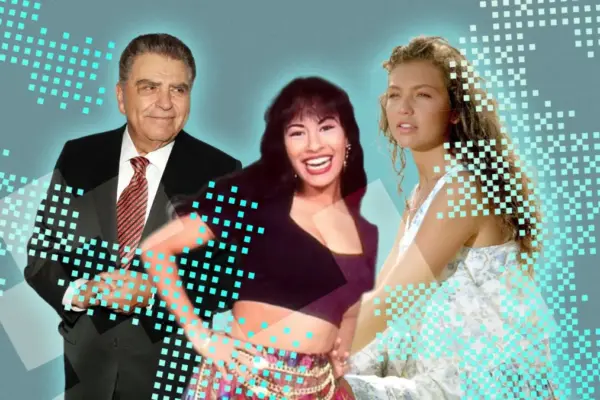
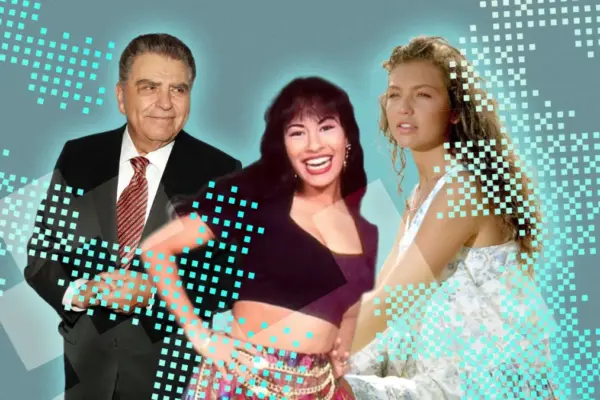
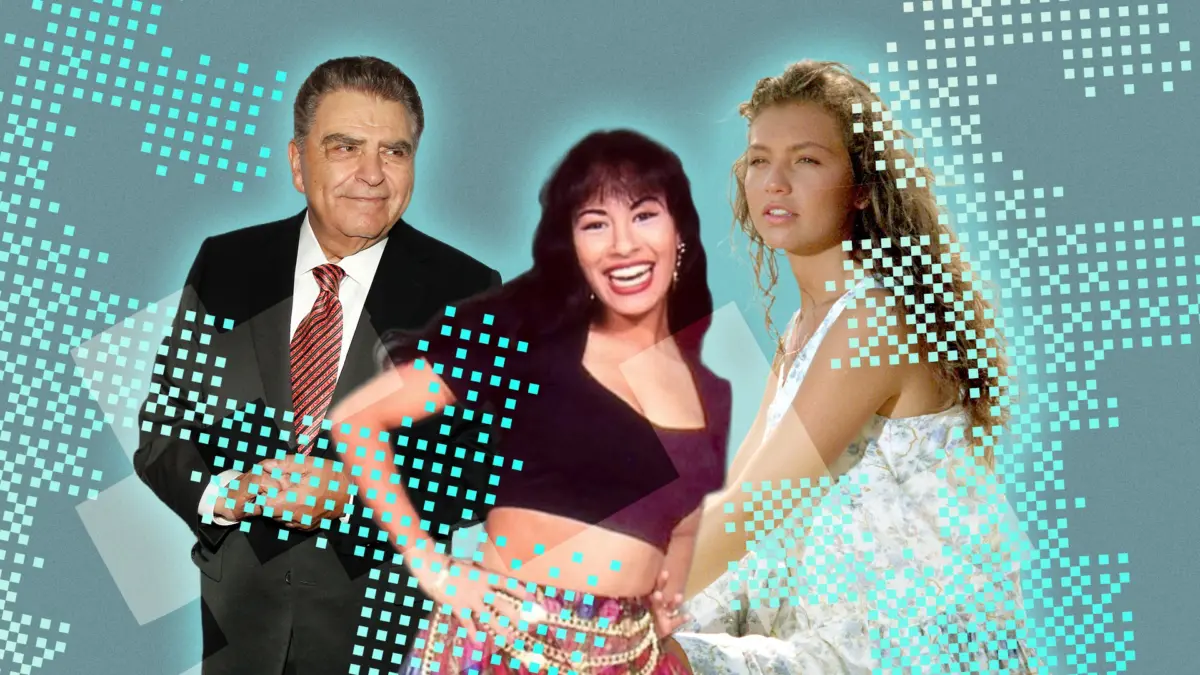
Those screens brought iconic figures and cultural touchstones directly into American homes. Viewers vividly remember Marimar, the classic melodrama starring Thalía and Eduardo Capetillo, which served as a first television crush for many young watchers. Weekends brought the unstoppable energy of Sábado Gigante and its legendary host, Don Francisco, a television institution that families looked forward to watching all week long. Similarly, the magnetic performances, interviews, and music videos of Selena were replayed endlessly, capturing a collective grief and admiration that families simply were not ready to let go of.
There was something profoundly powerful about simply hearing Spanish spoken naturally within the domestic sphere. Even when the plotlines of a specific soap opera or the heritage of a performer were not specifically Dominican, the underlying cultural framework still felt deeply familiar. The expressive body language, complex family dynamics, musical cadence, situational humor, and larger-than-life personalities reflected tangible pieces of a broader Latino culture that children of immigrants instinctively recognized as their own.
Watching a program like Marimar with family was never a quiet, passive viewing experience. Mothers would shake their heads in disapproval at a character’s predictably bad decision, prompting an immediate chorus from other family members shouting, "¡Te dije que eso iba a pasar!" Within moments, the living room would fill with a cacophony of overlapping voices, echoing laughter, gentle teasing, and heated debates over who among the characters was actually right.
This domestic theater mirrored the exact energy found during larger Dominican family gatherings, where adults laughed heartily over recycled stories, debated everything from neighborhood gossip to current events, and argued passionately about the unfolding drama on television. Someone was always calling out from another room, yet somehow, the architecture of the home allowed everyone to remain part of the conversation. While the broadcasted shows did not explicitly tell a Dominican story, experiencing them shoulder-to-shoulder with mothers, siblings, and relatives made the living room feel entirely like home.
Marimar was a Mexican production, and Selena was a quintessential Mexican American icon, yet culture does not always demand direct, literal representation to resonate. Frequently, it is communicated entirely through profound recognition. At the time, children growing up in New Jersey did not conceptualize those routine evening viewings as an intentional act of cultural preservation. They were simply kids watching television with their families. Decades later, however, those ordinary television nights reveal themselves as foundational lessons in identity, teaching young people who they were and where their families originated.
For countless immigrant families across the United States, traditional broadcast media functioned as far more than mere evening entertainment. It served as a vital bridge spanning the physical and cultural chasm between the world parents left behind in Latin America and the Caribbean, and the new, unfamiliar environment where their children were being raised. For Dominican households navigating the complexities of the American suburban landscape, these broadcasts helped preserve the Spanish language, traditional musical rhythms, regional humor, and an enduring emotional connection to the homeland while simultaneously building a stable life stateside.
That was the unique magic of appointment television. Families tuned in simply because a broadcast was scheduled, and those programs organically wove themselves into the fabric of daily conversation because entire households had experienced them simultaneously. Children could navigate the English-dominant environment of their public schools all day and return home to a living room completely immersed in Spanish. They were growing up as Americans in New Jersey while maintaining a vivid, daily window into Latin America and the Caribbean on screen. In those moments, young people did not have to choose between their Dominican heritage and their New Jersey upbringing; they could effortlessly inhabit both worlds.
Even today, hearing the iconic opening notes of Marimar instantly summons the distinct sensory memories of those evenings spent with family. Yet, the mechanics of how television is consumed have undergone a revolutionary transformation. Modern audiences no longer wait anxiously for a specific program to air at a designated time, nor do they necessarily negotiate with family members in the living room over what channel to watch. Contemporary viewing habits lean heavily toward individual streaming, allowing viewers to consume content independently whenever their schedules permit. When a modern viewer encounters something that genuinely makes them laugh or evokes a nostalgic pang of home, the method of sharing has shifted from a collective living room shout to a digital clip or a meme dropped into a family group chat.
While the fundamental emotional connection remains intact, its physical shape has altered dramatically. In decades past, a dramatic telenovela, a musical performance on Sábado Gigante, or a pop song broadcast across the airwaves would organically become the universal family conversation of the following day without any prior planning. Everyone had witnessed the exact same broadcast; everyone possessed a fully formed opinion. Today, in an era defined by endless choices, algorithmic feeds, and personalized content, audiences are heavily fragmented. People watch entirely different programs, follow distinct digital creators, and encounter cultural touchstones through widely divergent pathways. Shared cultural moments have not vanished entirely, but they have undeniably lost their automatic, communal nature.
Concurrently, contemporary Latino creators are no longer waiting for mainstream media gatekeepers to grant them representation; they are actively building that visibility themselves. A Dominican youth living in New Jersey today can instantly open a smartphone and access a vast, interconnected digital community that directly reflects their unique lived experiences. That unprecedented access and the vast creative freedom enjoyed by modern content creators represent an undeniable leap forward for media diversity.
Yet, alongside this modern abundance, a quiet nostalgia remains for the sheer togetherness of appointment viewing. The technological platforms have undeniably expanded—evolving outward from traditional telenovelas and Saturday night variety shows to encompass TikTok, independent podcasts, YouTube channels, and on-demand streaming services—but the fundamental human desire for cultural connection has not shifted. Viewers still yearn to encounter media that evokes the feeling of home, and more importantly, they still want to share those discoveries with the specific people who made their early lives feel like home in the first place.
For those who grow up straddling two distinct cultures, heritage is transmitted through far more than formal family histories or oral narratives about ancestral homelands. It survives and breathes inside the native language, traditional recipes, beloved musical styles, and the quiet, ordinary moments families spend in each other’s physical company.
Ultimately, that cultural foundation lives on in the persistent memory of a television glowing softly in a New Jersey living room, filling the domestic space with the sounds of Spanish. What once appeared to be simple, disposable entertainment reveals itself in hindsight to be something far more enduring. It was not merely the content of the broadcasts that shaped a generation, but the shared act of watching them alongside the family members who loved them.
While modern audiences possess more technological avenues to connect with their heritage than at any previous point in history, the ongoing challenge lies in preserving the communal nature of those cultural touchstones. Culture, after all, is never merely something passively consumed; it is an active experience, an ongoing memory, and a living tradition passed deliberately from one generation to the next.