










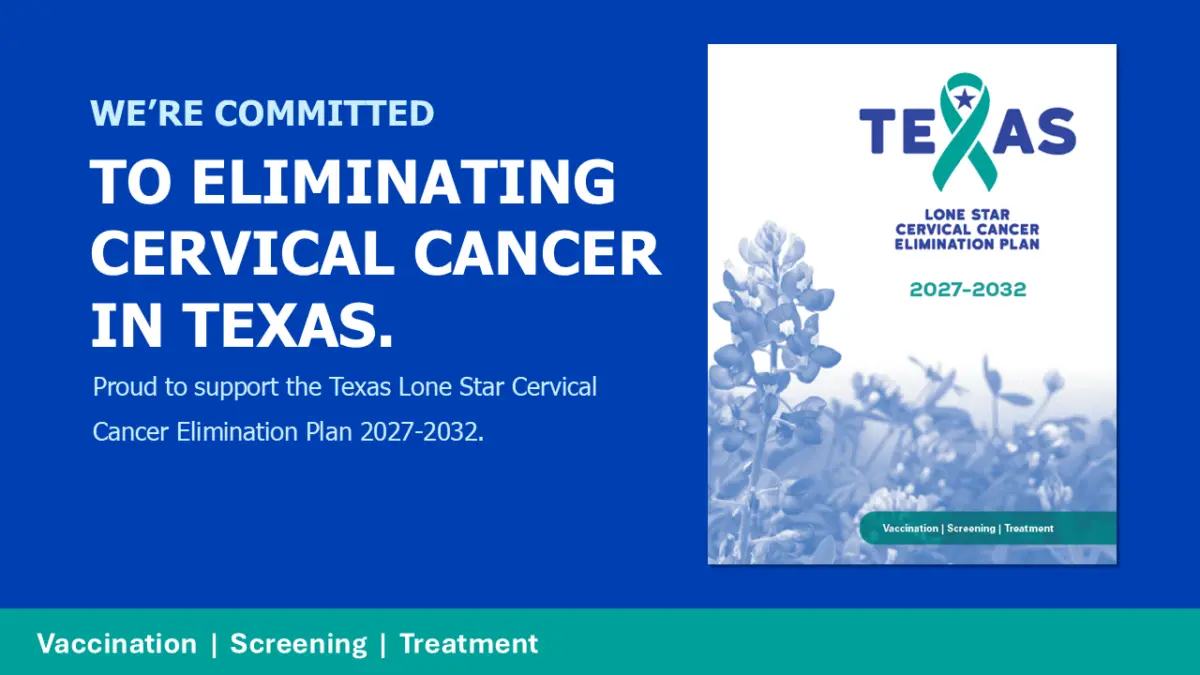
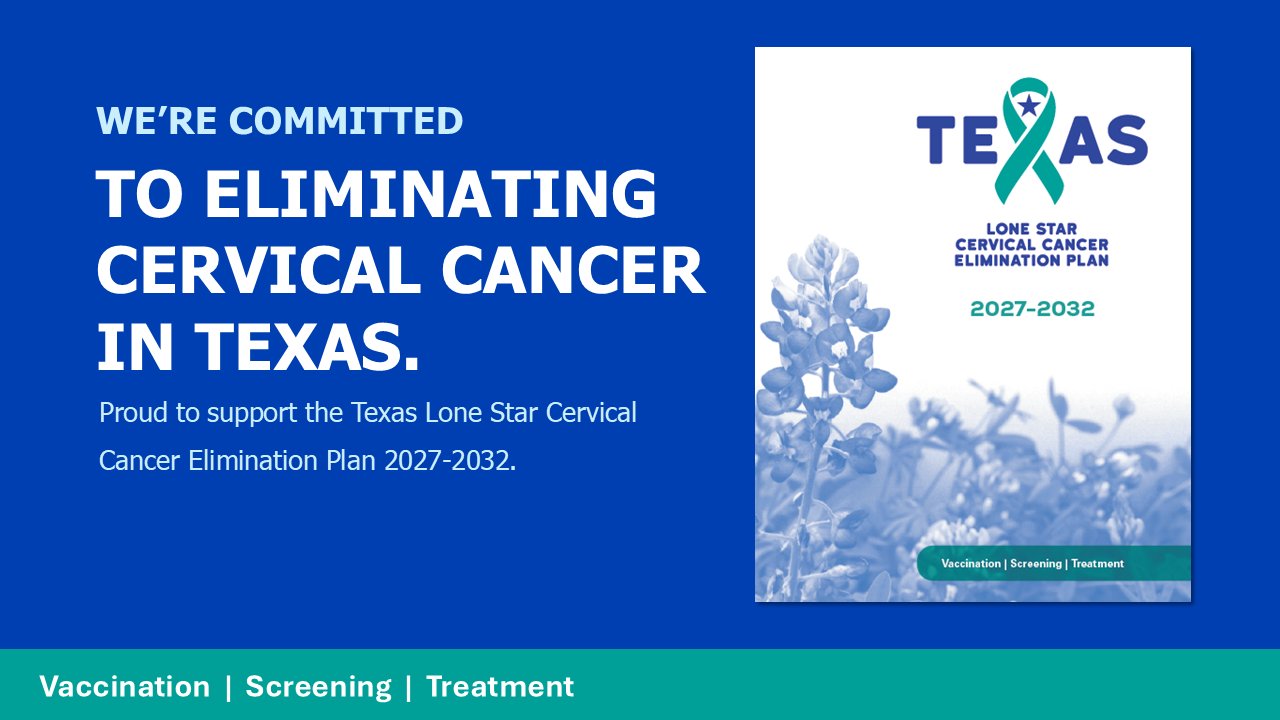
Texas stands at a pivotal crossroads in public health, armed with a comprehensive roadmap aimed at eradicating a disease that continues to claim far too many lives across the Lone Star State. Although cervical cancer is widely recognized as one of the most preventable and treatable forms of cancer in modern medicine, it remains a persistent and formidable health crisis in Texas. To turn the tide, public health advocates, clinicians, and researchers have coalesced around the newly released Texas Lone Star Cervical Cancer Elimination Plan 2027-2032.
The comprehensive strategic initiative outlines a synchronized, multi-pronged approach designed to eliminate the disease as a public health threat. According to the strategic plan, achieving this ambitious goal will require the combined, sustained impact of widespread human papillomavirus (HPV) vaccination, expanded routine cervical cancer screening coupled with reliable follow-up care, and timely navigation to specialized treatment services.
Developed by the Cervical Cancer Elimination Priority Area Workgroup with the dedicated support of the Cancer Alliance of Texas (CAT), the blueprint emphasizes that Texas possesses the scientific tools necessary to prevent nearly all cases of cervical cancer. However, turning that potential into reality will demand coordinated statewide action, long-term cross-sector partnerships, and highly tailored, targeted strategies capable of reaching diverse populations across a geographically massive state.
Why Cervical Cancer and Texas?
The urgency of the new plan is underscored by sobering public health statistics. Texas currently holds the eighth-highest incidence rate of cervical cancer and the sixth-highest mortality rate from the disease in the United States. This disproportionate burden is driven by a complex web of systemic challenges, including the state’s immense geographic footprint, a culturally and economically diverse population, vast rural expanses, medically underserved border communities, and some of the highest uninsured rates in the nation.
Furthermore, healthcare delivery in Texas often faces structural hurdles. Cross-border healthcare utilization, fragmented continuity of care that frequently delays crucial screenings and diagnostic follow-ups, and incomplete health records across disparate healthcare systems create significant roadblocks. These gaps make it extraordinarily difficult for providers and public health officials to accurately track patient vaccination status, screening histories, and subsequent clinical care.
Despite these hurdles, public health leaders emphasize that Texas also possesses extraordinary assets. The state is home to robust academic, clinical, public health, and community partners who are actively collaborating through the Cancer Alliance of Texas. Additionally, Texas benefits from a formidable prevention infrastructure bolstered by the Cancer Prevention and Research Institute of Texas (CPRIT), providing a solid foundation upon which the new elimination plan can build.
Boost HPV Vaccination Rates
At the vanguard of the strategic plan’s three primary pillars is a decisive push to dramatically increase human papillomavirus vaccination coverage. The persistent virus is the underlying cause of the vast majority of cervical cancers, making primary prevention through vaccination the single most effective shield against the disease.
The elimination plan establishes a clear, measurable benchmark: to increase the percentage of Texas boys and girls who are up to date on their HPV vaccination series by age 15 from the current baseline of 50.5% to an impressive 80%. To meet this target, health officials plan to deploy a variety of clinical interventions, bolster community-level outreach and education campaigns, and expand the availability of the HPV vaccine into non-traditional healthcare settings to reduce logistical barriers for families.
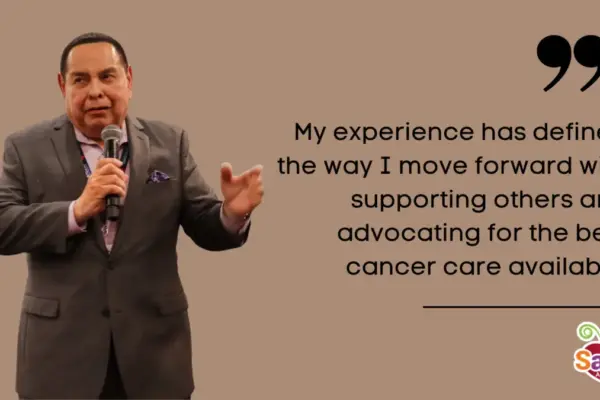
Advocates argue that achieving this target is an urgent moral and public health imperative. Ludivina Hernández, a community outreach coordinator and cervical cancer survivor, emphasized the human cost of inaction and the promise of prevention. No Texan should suffer from or lose their life to cervical cancer if health systems have the tools to prevent it, Hernández noted, adding that early detection, routine screening, and timely vaccination can prevent immense physical and emotional suffering while saving countless lives.
Elevate Cervical Cancer Screening
The second major pillar of the Texas Lone Star Cervical Cancer Elimination Plan focuses squarely on elevating routine cervical cancer screening rates across the state. Traditional screening models have often struggled to reach vulnerable populations, making it necessary to rethink how and where screenings are conducted.
To overcome the unique barriers present in Texas, healthcare leaders are urged to embrace modern screening innovations, specifically incorporating primary HPV testing and HPV self-collection as accessible options for all eligible residents. Crucially, these options should extend far beyond the traditional confines of a clinical exam room, meeting patients in trusted community spaces where they feel comfortable.
However, expanding the sheer availability of screening tests is only part of the equation. The plan stresses that true progress requires robust navigational support to guide patients through the entire healthcare journey. Reducing barriers to screening includes not only improving physical and financial access to the tests themselves, but also ensuring that individuals can successfully complete the screening process, receive their results in a timely and easily understandable manner, and secure immediate access to recommended follow-up care if abnormalities are detected.
Increase Cervical Cancer Diagnosis and Treatment
The third essential pillar of the statewide initiative centers on timely diagnosis and comprehensive treatment of cervical precancer and cancer. When abnormalities are identified during screening, the speed and quality of the subsequent clinical response can mean the difference between a minor outpatient procedure and a life-threatening cancer diagnosis.
The plan sets a rigorous benchmark: ensuring that 80% of women who require diagnostic follow-up and treatment successfully receive those vital services. Achieving this goal will rely heavily on coordinated community outreach, dedicated patient navigation, comprehensive provider training, and robust survivorship support systems.
To turn these goals into clinical reality, the framework highlights the necessity of implementing multilevel, multicomponent interventions. Dr. Rose Gowen, a faculty associate at the UT Health Houston School of Public Health Brownsville Regional Campus, noted that comprehensive programs are essential for bridging the gaps in the healthcare continuum. Multicomponent programs bring together the critical elements needed to overcome systemic challenges, uniting community outreach and education, patient navigation, specialized provider training, and strong clinical partnerships under a shared mission.
Looking Toward the Future
As Texas looks ahead toward the 2027-2032 timeline, public health leaders emphasize that eliminating cervical cancer as a public health threat is entirely within reach, provided the state maintains its focus on evidence-based interventions and continuous quality improvement.
Future efforts will rely on building an agile, responsive infrastructure that can measure success in real time and adapt to emerging challenges. By continuously evaluating clinical outcomes, adapting strategies to meet local needs, and investing in evidence-based healthcare innovations, Texas can build a learning health system capable of accelerating progress toward a future free from the burden of cervical cancer.
Communities across the state can also play an active role in monitoring and improving local health outcomes by utilizing available resources such as the Salud America! Health Report Card, which provides localized data and comparative metrics on health indicators to help community leaders, advocates, and residents drive meaningful, healthy changes at the grassroots level.