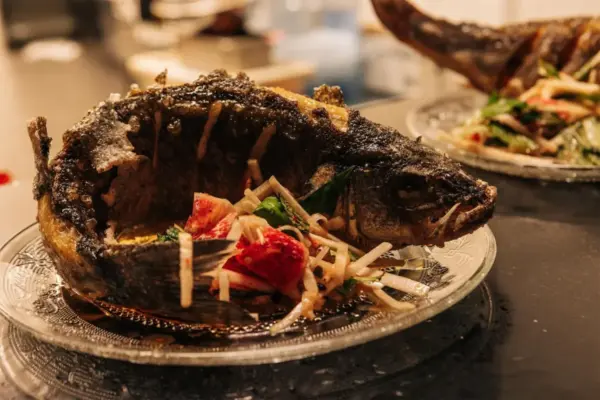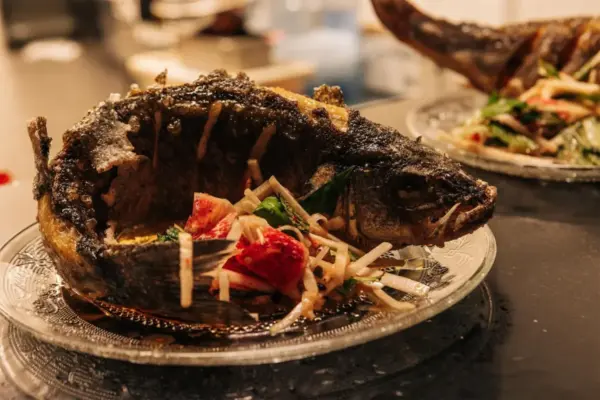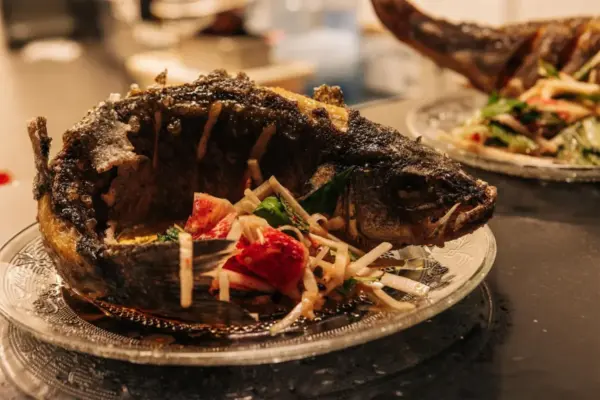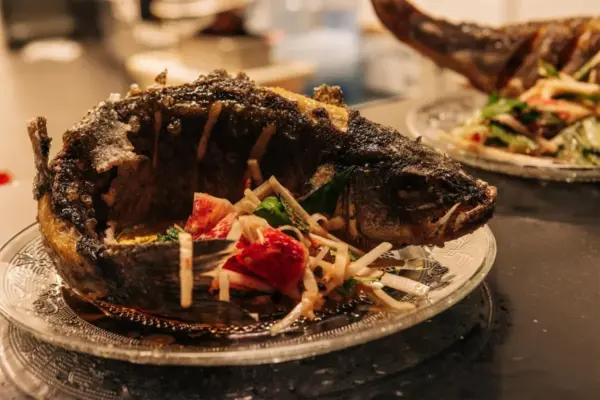








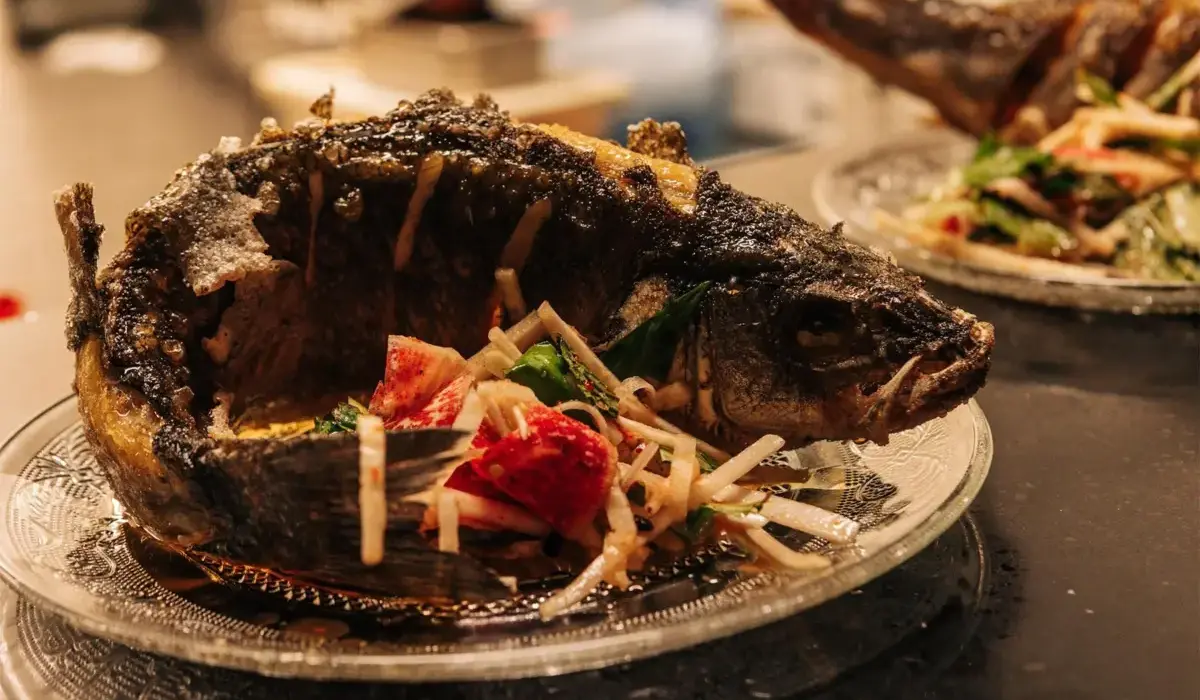
When Chanita Chayaluk decided to open her restaurant and wine bar Taan in Chicago, her mission was clear: she hoped to showcase Thai cuisine in a different light. Reflecting on the local culinary landscape, she noted that the first major wave of Thai immigration to Chicago occurred in the 1970s, leaving a lasting legacy where a significant portion of the Thai food available in the city still feels anchored to that era. To challenge those perceptions, she opened the doors in September with a menu featuring adventurous and traditional items, including miang, a Northern Thai dish prepared with fermented tea leaves, and a whole, deep-fried fish coated in a rich fish-sauce caramel.
However, operating a modern restaurant in the Midwest comes with its own distinct cultural nuances that Chayaluk quickly had to navigate. The region is known for a pervasive social ethos commonly referred to as "Midwest nice," which often translates into an intense desire to overaccommodate and appease the masses. During the early days of service at Taan, Chayaluk and her team noticed a high frequency of guest requests for custom substitutions and dietary modifications.
These constant alterations began to take a heavy toll on the kitchen. Such requests slowed down service times and disrupted the rhythm of the kitchen, which not only affected the back-of-house operations but ultimately degraded the overall guest experience for everyone in the dining room. With a small kitchen space and a lean staff, keeping up with the endless demands for bespoke adjustments felt overwhelming. Chayaluk recalls that it reached a point where the kitchen operations felt less like an independent culinary establishment and more like a fast-casual assembly line. The definitive turning point arrived when a diner placed an order for green curry mussels, but asked for the dish to be prepared without the mussels.
Faced with the unsustainable strain of endless alterations, Chayaluk took a firm stand by implementing a limited substitution policy at Taan. She took to Instagram to clearly communicate the restaurant’s philosophy to the public, explaining that foundational ingredients like fish sauce and shrimp paste are the very fabric that defines Thai cuisine and, therefore, cannot be removed from any dishes that inherently include them.
This tension between culinary authenticity and modern customization culture is part of a broader, increasingly contentious trend across the hospitality industry. A decade or so ago, asking for heavy menu substitutions was generally frowned upon and frequently derided by chefs and food critics alike. Recently, however, independent restaurants across the country report that modification culture has bubbled back up into full force, presenting operators with difficult choices about how to run their businesses.
A complex swirl of cultural and economic factors has brought the industry to this juncture. The proliferation of lunch "slop bowl" and fast-casual assembly spots has heavily primed modern consumers to expect a granular, highly detailed level of customization with every single order they place. Meanwhile, the massive cultural footprint of books and philosophies like Unreasonable Hospitality has pushed an intensified "the customer is always right" mentality back into the spotlight.
Compounding these pressures is the modern influence of social media. The rise of food influencers entering the review space has made any form of friction—including a restaurant choosing not to honor specific dietary preferences or modification requests—ripe for immediate, viral online takedowns. Couple all of that relentless pressure with the harsh economic reality that it is extraordinarily difficult to keep an independent restaurant afloat in the current financial climate, and the result is a growing number of operators simply giving in. Many restaurants find themselves acquiescing to specific demands or fundamentally altering their traditional menus altogether, a phenomenon reflected in broader industry trends like the ongoing "de-spicification" of menus to cater to milder palates.
Amid this widespread pressure to conform, independent establishments like Taan and New York’s Ha’s Snack Bar are choosing to stand their ground. Ha’s Snack Bar proudly announces right in its Instagram bio that everything on its menu contains fish sauce, setting expectations before a customer even steps through the door or opens a digital menu.
Similar challenges have emerged further west at Lom Wong in Phoenix, Arizona, where substitution and modification requests sharply escalated after the restaurant received significant national attention. Chef Yotaka “Sunny” Martin was recognized by the James Beard Awards, and the restaurant earned a prestigious Michelin Bib Gourmand designation. While these accolades are a tremendous honor, they also brought unintended consequences regarding guest expectations.
According to chef and co-owner Alex Martin, the restaurant saw an influx of diners who were unfamiliar with their specific style of service. After receiving the awards, more guests than usual began picking dishes apart, asking for modifications, or expressing confusion over why Lom Wong does not course out meals in a traditional European fashion. Alex Martin notes that there is a deeply ingrained European distinction of what an award-winning restaurant is supposed to look like, leading some diners to mistakenly equate culinary recognition with the formal atmosphere of a white-tablecloth establishment. The owners quickly made it clear that Lom Wong has never operated that way and never will.
Like Taan, Lom Wong turned to social media to reset expectations and clearly communicate their philosophy. They announced publicly that the restaurant would not make substitutions simply to make a dish more familiar to Western palates, and noted that certain traditional choices—such as beef containing gristle or fish being served whole—are fully intentional and culturally authentic. Alex Martin points to his co-owner as the guiding light for the restaurant’s cultural context, explaining that Sunny constantly evaluates whether changing a specific element of a dish would compromise its culinary integrity. While Lom Wong is willing to make minor accommodations—such as serving a mango salad with the shrimp placed on the side—they firmly draw the line at removing essential components like beef or shrimp paste from dishes that require them.
Chayaluk takes a remarkably similar approach to menu architecture at Taan. To ensure that diners with genuine dietary restrictions are still welcomed and fed well, the restaurant always features a dedicated vegan and gluten-free option—currently a fried rice dish—that Chayaluk describes as a catchall for those who cannot consume other items on the menu. She emphasizes that her team takes great care to ensure that this specific dish is remarkably good and substantial, noting that it is designed to be a complete meal rather than a mere appetizer or an afterthought.
Behind these policies is a conscious effort by ownership to protect their front-of-house and kitchen teams. Staff members at both Taan and Lom Wong are actively encouraged to uphold these boundaries, which Chayaluk and Alex Martin emphasize are just as important for preserving their employees’ peace of mind as they are for maintaining strict quality control for the diners.
While implementing these boundaries has inevitably led to a modest amount of pushback from a small subset of diners, the proactive expectation-setting before and at the start of the meal has, for the most part, been received quite well by the broader public. Explaining the policy to customers requires a delicate balance of hospitality and firmness. As Alex Martin describes the approach, the team kindly informs guests that while they certainly respect their personal preferences, those preferences ultimately belong to the individual diner, gently steering them toward alternative menu items that naturally align with their dietary needs without forcing the kitchen to alter the identity of its core offerings.