







In a candid and deeply personal interview with veteran journalist Jorge Ramos on his digital show Así Veo Las Cosas, acclaimed filmmaker and actor Ben Affleck opened up about the profound challenges, real-world collisions, and emotional driving forces behind his new Netflix film, Animals. Affleck did not mince words when discussing the cultural and sociopolitical weight of the project, revealing that production on the film was unexpectedly disrupted by actual U.S. Immigration and Customs Enforcement (ICE) operations unfolding on the streets of Los Angeles. For Affleck, the surreal experience of watching federal immigration enforcement sweep through neighborhoods while trying to film a fictional story about immigrant characters fundamentally transformed the production, bridging the gap between cinema and harsh socio-political reality.
During the expansive conversation, Affleck made it clear that Animals was never intended to be a mere commercial venture or a detached creative exercise. Instead, the film—which follows the lives of two Mexican characters named Luis and Adriana at its emotional core—represents his passionate conviction regarding the identity of the United States. Affleck explicitly stated to Ramos that the U.S. is fundamentally a nation of immigrants. Pointing to his own family and heritage, he emphasized that the struggles and triumphs of immigrant communities are inherently tied to the broader American story. This guiding philosophy dictated every major creative and logistical decision Affleck made as a director and co-writer, steering the project directly into the heart of America’s most contentious political debates.
He Knew Making This Film Was a Risk and He Made It Anyway
Embarking on a project centered heavily on the dignity, humanity, and nuanced experiences of immigrant protagonists in the current American political climate was a calculated risk, one that Affleck openly acknowledged. In his discussion with Ramos, the director explained that he chose to take that risk deliberately because the cultural and political moment demanded it. Rather than relegating immigrant figures to the background or treating them as auxiliary elements in someone else’s narrative, Affleck sought to place them front and center as the true architects of their own stories. He felt an undeniable moral and artistic responsibility to use his substantial platform to portray these lives with authenticity, respect, and emotional depth.
This commitment extended to how he approached industry conventions and commercial expectations. Affleck directly addressed the pervasive assumption within the Hollywood studio system that English-speaking audiences harbor an inherent resistance to subtitles. For decades, traditional box office and streaming logic has dictated that non-English dialogue can alienate mainstream viewers. Affleck firmly pushed back against that calculation. He argued that the universal social relevance of the story, coupled with the absolute necessity of representing the immigrant experience with uncompromised honesty, completely outweighed any commercial anxieties surrounding subtitle preferences. By refusing to water down the linguistic or cultural authenticity of the characters, Affleck ensured that the film stayed true to its thematic integrity.
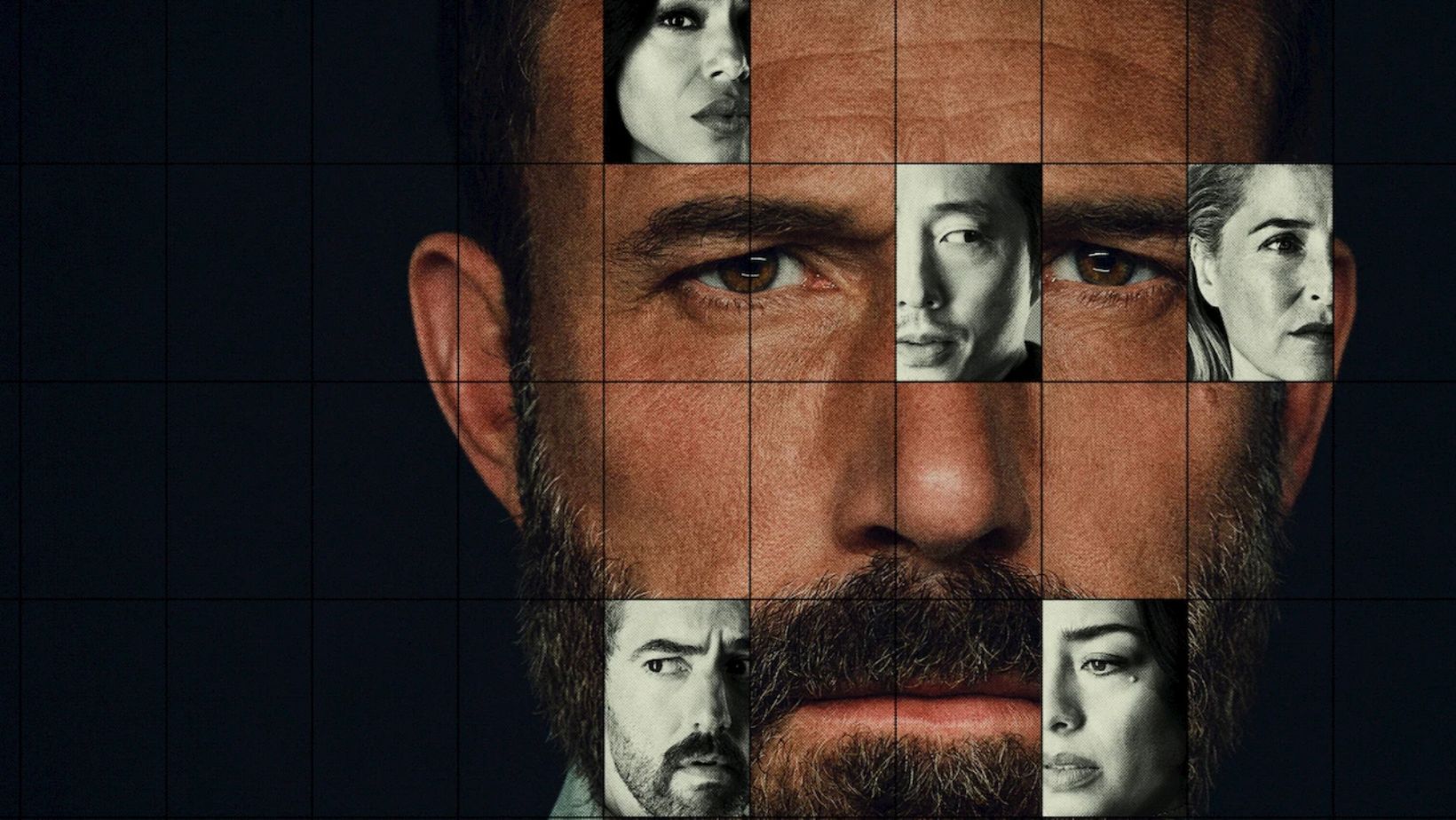
ICE Was Operating on His Filming Locations and the Script Was Playing Out in Real Life
The production of Animals took place against a backdrop of intense national scrutiny over U.S. immigration policies, creating an environment where art and life frequently and jarringly overlapped. Affleck recounted the extraordinary moments during filming in Los Angeles when production crews were forced to halt operations entirely because active ICE sweeps and enforcement actions were occurring in the immediate vicinity of their sets. Rather than viewing these interruptions merely as inconvenient logistical hurdles, Affleck described them as eye-opening experiences that profoundly sharpened his understanding of the project’s urgency.
Witnessing federal immigration enforcement operations unfold on the very streets where they were shooting a narrative about immigrant displacement gave the film a visceral, grounded depth that no amount of traditional pre-production research or script revision could ever manufacture. This surreal collision of fiction and lived reality reinforced to Affleck the immense weight of his responsibility to get the story right. It was precisely this realization that motivated him to ensure the Mexican characters were portrayed with absolute authenticity. Rather than relying solely on pre-written dialogue, Affleck empowered his Mexican lead actors, Adriana Paz and Luis Gerardo Méndez, by handing them the pen and allowing them to write their own lines, ensuring that their conversations on screen resonated with genuine cultural truth and lived experience.
He Said This Is a Country of Immigrants and His Family Proves It
For Affleck, the decision to helm Animals stems from a deeply ingrained personal perspective. He emphasized to Ramos that his own background, his people, and his family history are rooted in the immigrant experience, making the narrative themes of the film feel intensely personal. In his view, the trials and aspirations of Luis and Adriana are not isolated tales, but rather a reflection of the broader American tapestry—a nation built, shaped, and continuously revitalized by individuals who arrived from distant shores to construct their lives anew.
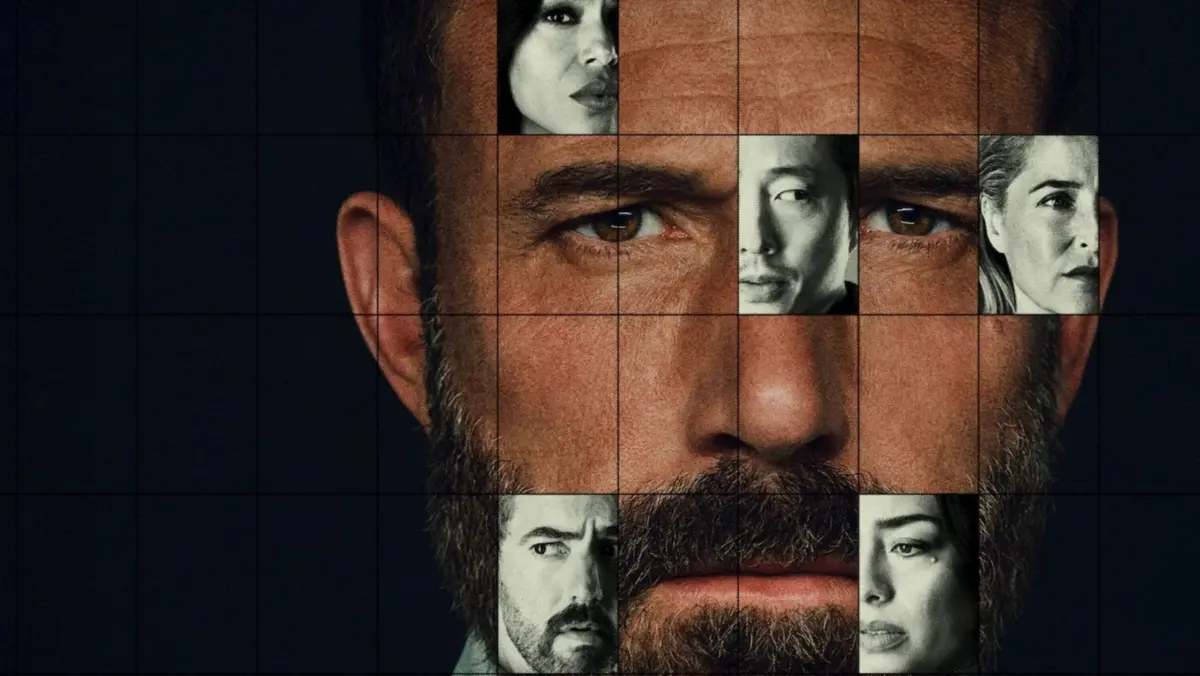
This personal ethos is matched by a formidable professional infrastructure. Animals is produced in association with Artists Equity, the artist-first studio Affleck co-founded alongside longtime collaborator Matt Damon. The film features a stellar ensemble cast, bringing together its Mexican leads alongside prominent Hollywood names such as Kerry Washington, Gillian Anderson, Steven Yeun, and Ray Fisher. Affleck stepped into this production fully aware that the film would drop directly into a highly charged and deeply polarized national conversation. Yet, driven by his personal convictions and a desire to challenge industry norms, he pressed forward. Animals is currently streaming worldwide on Netflix, inviting audiences to confront the realities, human dignity, and complex narratives that inspired its creation.