









As health advocates observe Breast Cancer Awareness Month, medical professionals and researchers are shining a critical light on a sobering healthcare reality: breast cancer remains the leading cause of cancer-related deaths among Latinas in the United States. While ongoing medical advancements continue to improve prevention and treatment methodologies across the general population, systemic barriers, biological factors, and diagnostic delays continue to disproportionately affect Hispanic women, often resulting in diagnoses at advanced and more aggressive stages of the disease.
To honor those impacted and address the persistent disparities in cancer care, healthcare leaders have outlined the top eight essential factors to understand regarding Latina breast cancer, ranging from diagnosis trends and screening access to clinical trials and survivorship stories.
1. Latina Breast Cancer Diagnosis and Mortality Rates
According to the American Cancer Society’s 2026 Cancer Facts & Figures report, breast cancer is the most common cancer among Latinas, impacting U.S. Hispanic women at a rate of 106.6 per 100,000 people. This statistical reality translates to roughly one out of every nine Latina women being diagnosed with breast cancer in her lifetime, as noted by data from Susan G. Komen. In 2024 alone, an estimated 31,500 new cases of breast cancer were diagnosed within the Latina community.
While these incidence rates are lower than those observed among non-Hispanic White women (139.5 per 100,000) and Black women (133.2 per 100,000), Latinas face a disproportionate burden of late-stage and aggressive malignancies. This includes higher frequencies of metastatic breast cancer and triple-negative breast cancer, a particularly challenging form of the disease. Data indicates that approximately 6% of Latinas are diagnosed at an advanced stage after the cancer has spread to other parts of the body.
Because of these frequent late-stage discoveries, mortality remains a significant concern. In 2024, an estimated 3,700 Latinas died from the disease. Furthermore, Latinas experience a lower 5-year relative survival rate of 90%, compared to 94% for White women, highlighting a persistent gap in timely detection and optimal treatment outcomes.
2. Diagnosis Age and Early-Onset Trends
Breast cancer is widely understood to be a disease associated with aging. Across the broader U.S. population, the median age for a breast cancer diagnosis is 64 years old, with half of all patients diagnosed before this threshold and half afterward. However, the demographic profile for Hispanic women differs notably.
Data shows that the median age of Latinas diagnosed with breast cancer is 58—the youngest among all major demographic groups studied in cancer research. Despite the conventional screening recommendations that begin at age 40, approximately 4% of all breast cancer diagnoses occur in women under that age threshold. Furthermore, breast cancer incidence rates among younger women have steadily climbed by a little over 1% each year, signaling an urgent need for heightened awareness across younger age cohorts.
3. Understanding Risk Factors and Genetic Influences
The elevated risk profiles observed among Latinas are shaped by a complex interplay of lifestyle factors, social determinants of health, and genetics. Recent data from the U.S. Department of Health and Human Services Office of Minority Health indicates that 78.8% of Latinas are classified as overweight or obese, placing them roughly 20% more likely to carry excess weight compared to women of other backgrounds—a known risk factor for breast cancer development.
In addition to lifestyle considerations, researchers attribute rising cases among younger women partly to inherited gene mutations, such as BRCA1 or BRCA2. Understanding one’s comprehensive family history and pursuing genetic counseling and testing are vital components of early risk mitigation.
Another prominent risk factor is breast density. Women with dense breast tissue face an increased risk because dense fibroglandular tissue can obscure tumors on a standard mammogram, making malignancy harder to detect before it spreads. Navigating these diagnostic challenges often requires supplementary screenings and specialized clinical guidance.
4. Prevention and Early Detection Strategies
The cornerstone of reducing breast cancer mortality remains adherence to national screening recommendations. The American Cancer Society advises women to begin routine screenings at age 40, with annual mammograms recommended for women between the ages of 45 and 54. For women aged 55 and older, screening may continue annually or transition to a biennial schedule.
Mammograms utilize low-dose X-rays to visualize internal breast tissue and detect abnormalities long before physical symptoms manifest. While mammography does not prevent the initial formation of cancer, early detection drastically improves treatment efficacy. According to the National Breast Cancer Coalition, regular mammograms reduce the risk of dying from breast cancer by 40% to 50%. Moreover, research published by the National Institutes of Health indicates that routine screenings lower the risk of developing advanced-stage breast cancer by 25%.
Beyond standard mammography, alternative preventative measures exist. High-risk patients may benefit from magnetic resonance imaging (MRI), which offers enhanced visualization for complex tissue types. Additionally, regular self-examinations empower women to become familiar with their bodies, ensuring that any unusual changes or persistent symptoms are promptly evaluated by a healthcare professional.
5. Overcoming Barriers to Screening Access
Despite the proven benefits of early detection, Latinas frequently encounter substantial non-medical drivers of health that hinder their ability to follow screening guidelines. Obstacles such as a lack of health insurance, language barriers, transportation deficits, and limited healthcare infrastructure impede timely preventative care.
Health insurance status remains one of the most prominent predictors of screening adherence. According to Komen data from 2023, only 50% of uninsured women received a mammogram within a two-year period, compared to 72% of women covered by Medicaid or other government-assisted programs, and 83% of those with private insurance.
Disparities also exist internally within the diverse Hispanic population. Studies indicate that mammography rates vary by geographic origin, with Mexican Latinas exhibiting lower screening rates compared to women originating from Central or South America. To address these systemic gaps, programs such as the Centers for Disease Control and Prevention’s National Breast and Cervical Cancer Early Detection Program offer free or low-cost screenings to eligible individuals, working to bridge the healthcare access divide.
6. Treatment Pathways and Provider Selection
When breast cancer is diagnosed, treatment plans are tailored based on the specific stage, biological subtype, and location of the disease. Advanced or metastatic cases often require long-term, comprehensive therapeutic management. Standard modalities include surgical interventions—ranging from lumpectomies to full mastectomies—alongside chemotherapy, radiation therapy, hormone therapy, immunotherapy, and other targeted medical interventions.
Navigating these complex regimens requires choosing an experienced oncologist who aligns with a patient’s specific medical needs and cultural background. Organizations such as the American Society of Clinical Oncology and the American Cancer Society offer comprehensive provider databases and search tools, helping patients locate specialized cancer care providers, verify board certifications, and evaluate insurance compatibility, including Medicare acceptance.
7. The Crucial Role of Clinical Trials
Advancing the future of cancer care relies heavily on clinical research and the active participation of diverse patient volunteers. Clinical trials evaluate novel therapies, improve symptom management strategies, and test interventions designed to benefit current and future generations. However, historical underrepresentation of minority populations in clinical research means that potential breakthroughs may not always reflect the unique biological and demographic needs of the community.
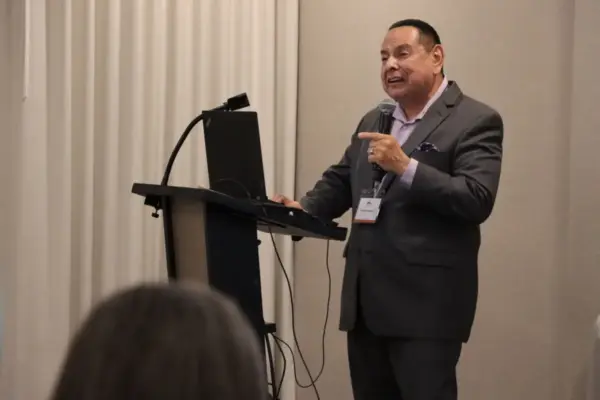
Dr. Amelie Ramirez, director of Salud America! and the Institute for Health Promotion Research at UT Health San Antonio, emphasizes the collective value of participation. "Volunteers in clinical trials are not only helping themselves, but they’re also building a future with potentially better treatments that can help their families in the future," Dr. Ramirez noted.
Patients interested in exploring research opportunities can utilize local resources, such as the Mays Cancer Center’s clinical trial database in South Texas, or national platforms like clinicaltrials.gov, to identify active studies and review eligibility requirements.

8. Sharing Survivorship Stories to Shape Future Care
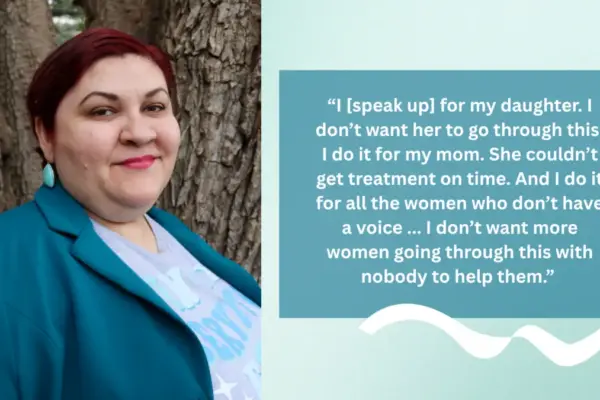
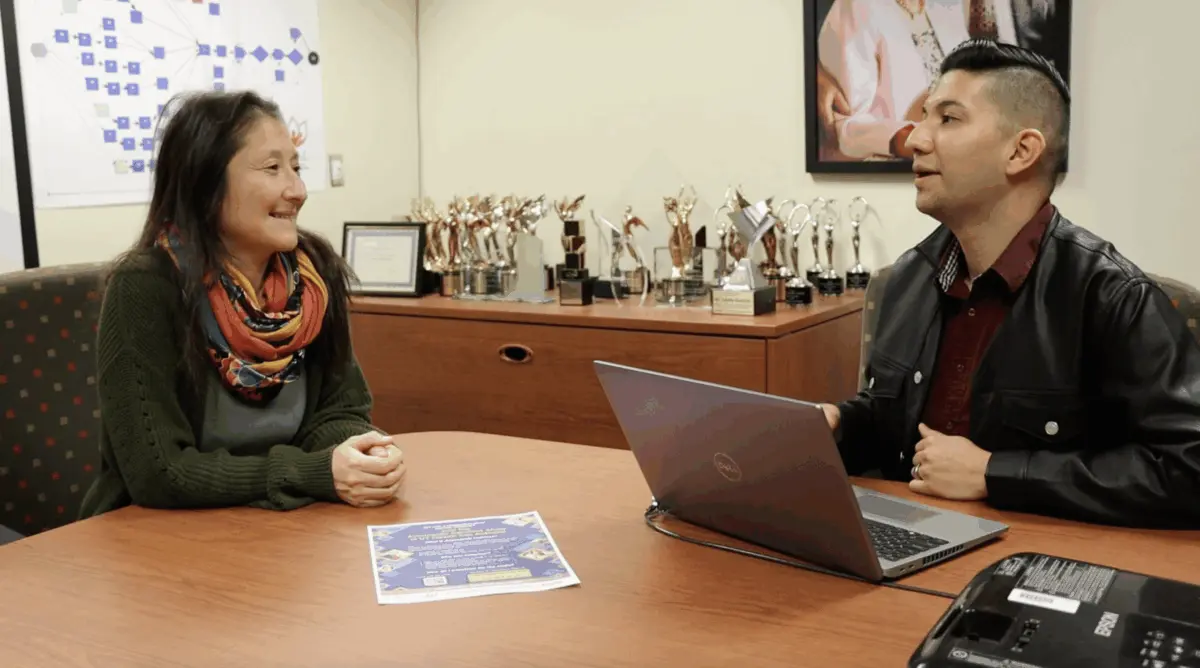
The personal narratives of cancer survivors hold immense value in shaping public awareness, encouraging preventative action, and eliminating healthcare disparities. Recognizing this impact, initiatives like the Avanzando Caminos Hispanic/Latino Cancer Survivorship Cohort study are actively capturing the lived experiences of cancer survivors throughout South Texas.
Led by researchers at UT Health San Antonio, the study is currently enrolling participants who have completed primary treatment for a wide range of malignancies, including breast, prostate, colorectal, lung, stomach, and other cancers. Program manager Dr. Derek Rodriguez explains that the study provides a vital platform for individuals to process their medical journeys and reclaim their narratives.
"We want to be able to promote healing because for the first time in a long time, this may be someone’s first opportunity to give their cancer story," Dr. Rodriguez shared. "We want to be able to empower others to share their story as well. And we want to be able to better understand, detect, treat, and prevent cancer in the long run for other future survivors."
Individuals interested in participating in the Avanzando Caminos study or seeking further information can contact the Institute for Health Promotion Research team at UT Health San Antonio or visit the study’s official online portal to complete an eligibility survey in English or Spanish.