









In observation of National Women in Medicine Day, which is celebrated annually on September 17 during Hispanic Heritage Month, healthcare advocates and communities nationwide are pausing to recognize, celebrate, and amplify the vital contributions of women who are transforming modern medicine. From pioneering clinical research and tackling systemic health disparities to serving on the front lines of patient care, women in medicine are continually redefining the standards of health equity.
Among these trailblazers, Latina physicians and health leaders hold a crucial place, often bridging cultural divides, advocating for underserved populations, and serving as powerful role models for the next generation of medical professionals. Organizations across the country are honoring this occasion by spotlighting extraordinary individuals whose dedication goes far beyond the clinic walls. Prominent among these efforts is the work done by Salud America!, a national multimedia health program dedicated to empowering community leaders to drive meaningful health changes for Latino families and communities.
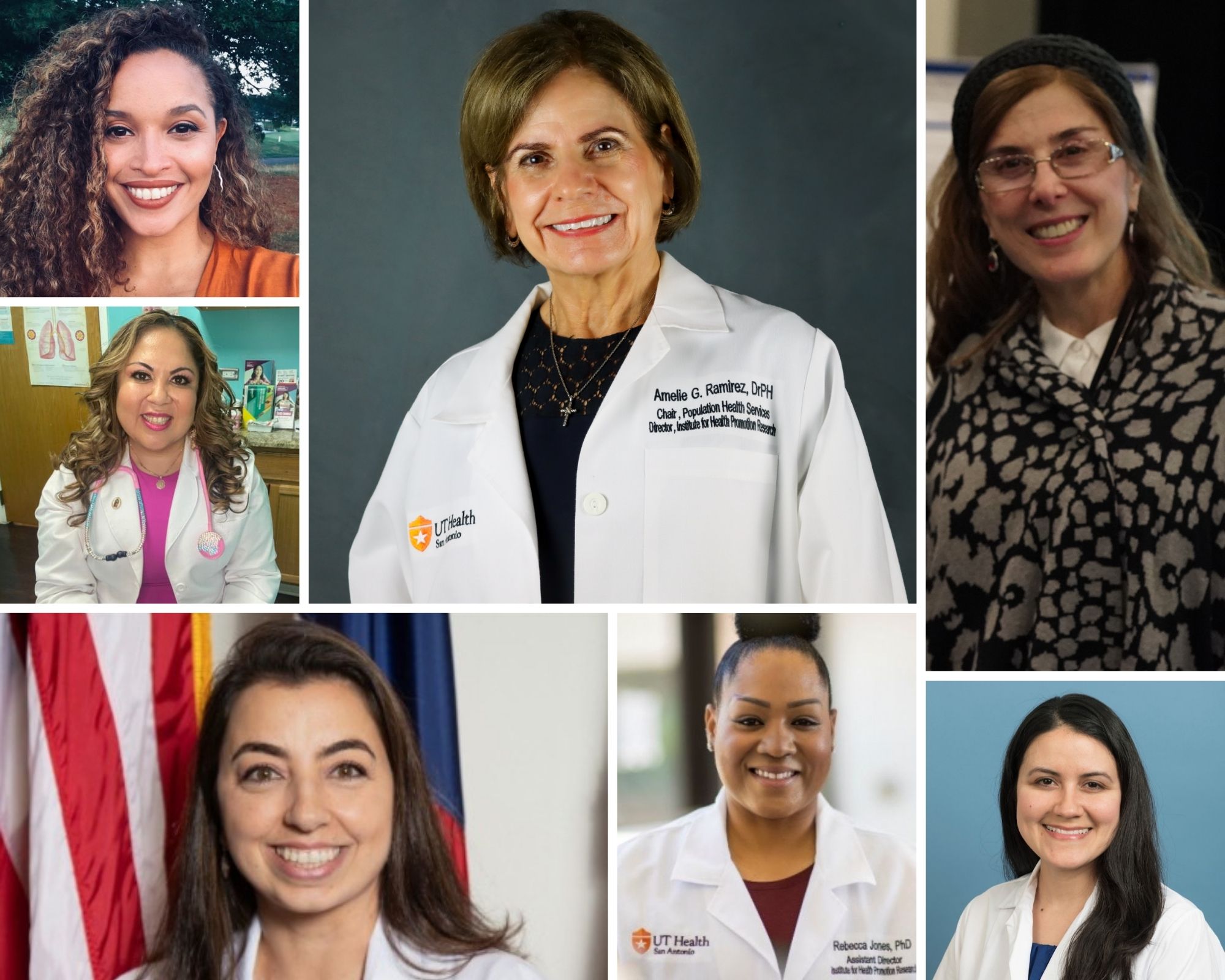
To mark the occasion, healthcare advocates are shining a light on seven remarkable Latina physicians and health researchers whose diverse career paths, profound resilience, and unwavering commitment to public health are reshaping the medical landscape.
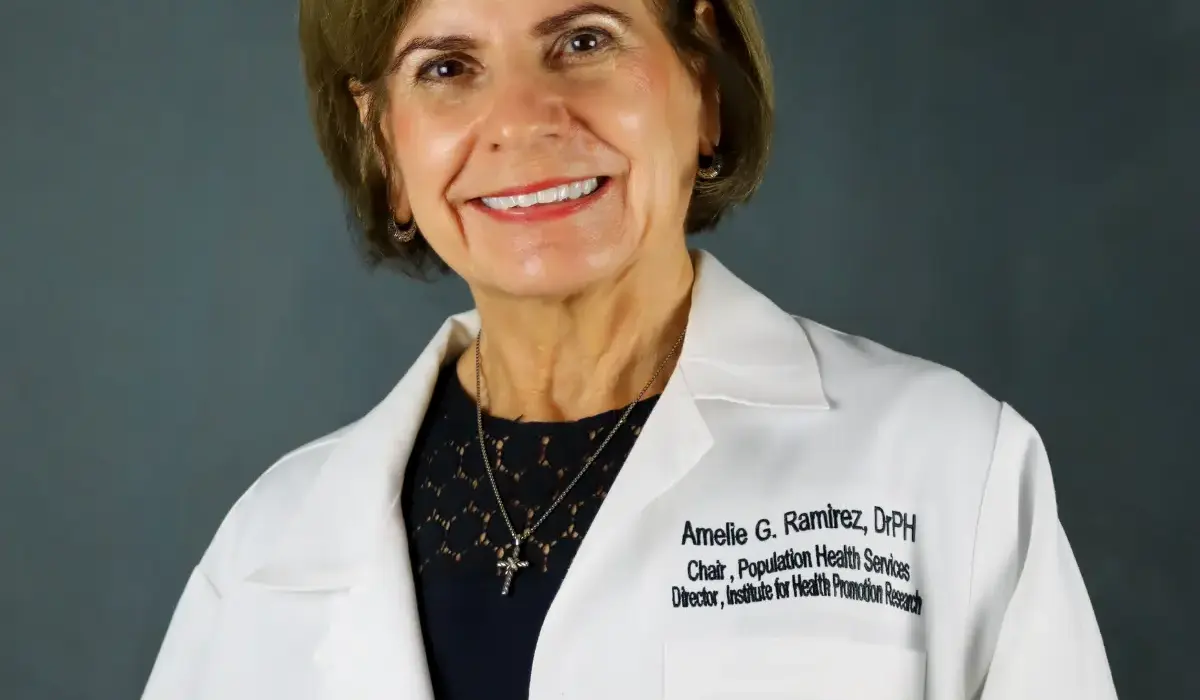
Dr. Amelie G. Ramirez
At the forefront of Latino public health research is Dr. Amelie G. Ramirez, an internationally recognized health researcher and academic leader based at UT Health San Antonio. Dr. Ramirez serves in multiple high-impact roles, holding positions as a professor and chair of the Department of Population Health Sciences and director of the Institute for Health Promotion Research at UT Health San Antonio. Furthermore, she lends her expertise as the associate director of cancer outreach and engagement at the Mays Cancer Center, ensuring that cutting-edge research directly benefits vulnerable communities.
Beyond her institutional leadership, Dr. Ramirez directs the Salud America! national multimedia health program. Through compelling storytelling and practical tools, the program successfully empowers a growing network of more than 400,000 community leaders to advocate for and implement systemic health changes that promote wellness for families. Her groundbreaking contributions to public health have earned her widespread acclaim, notably when television icon Oprah Winfrey selected Dr. Ramirez as a "Cycle Breaker" for her relentless work in advancing Latino health and dismantling systemic barriers.
Dr. Patricia Chalela
Working alongside Dr. Ramirez at the Institute for Health Promotion Research at UT Health San Antonio is Dr. Patricia Chalela, an associate professor whose career has been defined by a deep-seated passion for public health and collaborative teamwork. Dr. Chalela has long valued the power of multidisciplinary teams in tackling complex health issues, finding immense reward in working collectively to uplift the Latino community, which historically suffers from disproportionately high rates of chronic illnesses and various forms of cancer.
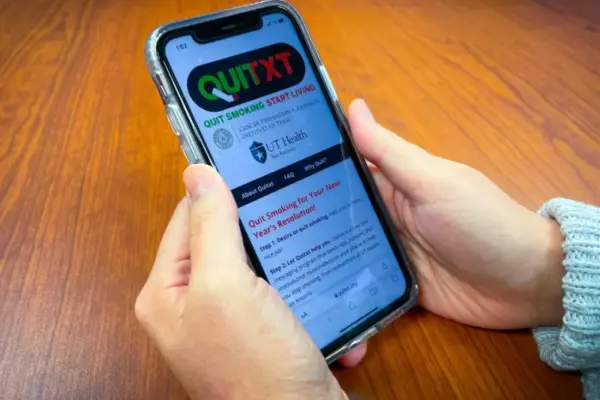
Her diverse research portfolio includes evaluating innovative technological interventions, such as utilizing text messaging campaigns to help individuals successfully quit smoking. In addition to her research endeavors, she is deeply invested in education, actively training upcoming students in advanced research methods. Reflecting on her professional journey, Dr. Chalela has often expressed profound gratitude for the path she has chosen, noting that working alongside dedicated colleagues to enact tangible improvements in the lives of Latinos has been an exceptionally rewarding experience.
Dr. Rebecca Jones
Another cornerstone of research leadership at UT Health San Antonio is Dr. Rebecca Jones, who serves as the assistant director of the Institute for Health Promotion Research. Growing up in the Lower Rio Grande Valley of South Texas provided Dr. Jones with a firsthand understanding of the unique socio-economic and healthcare challenges faced by border and minority communities, shaping her lifelong dedication to health equity.
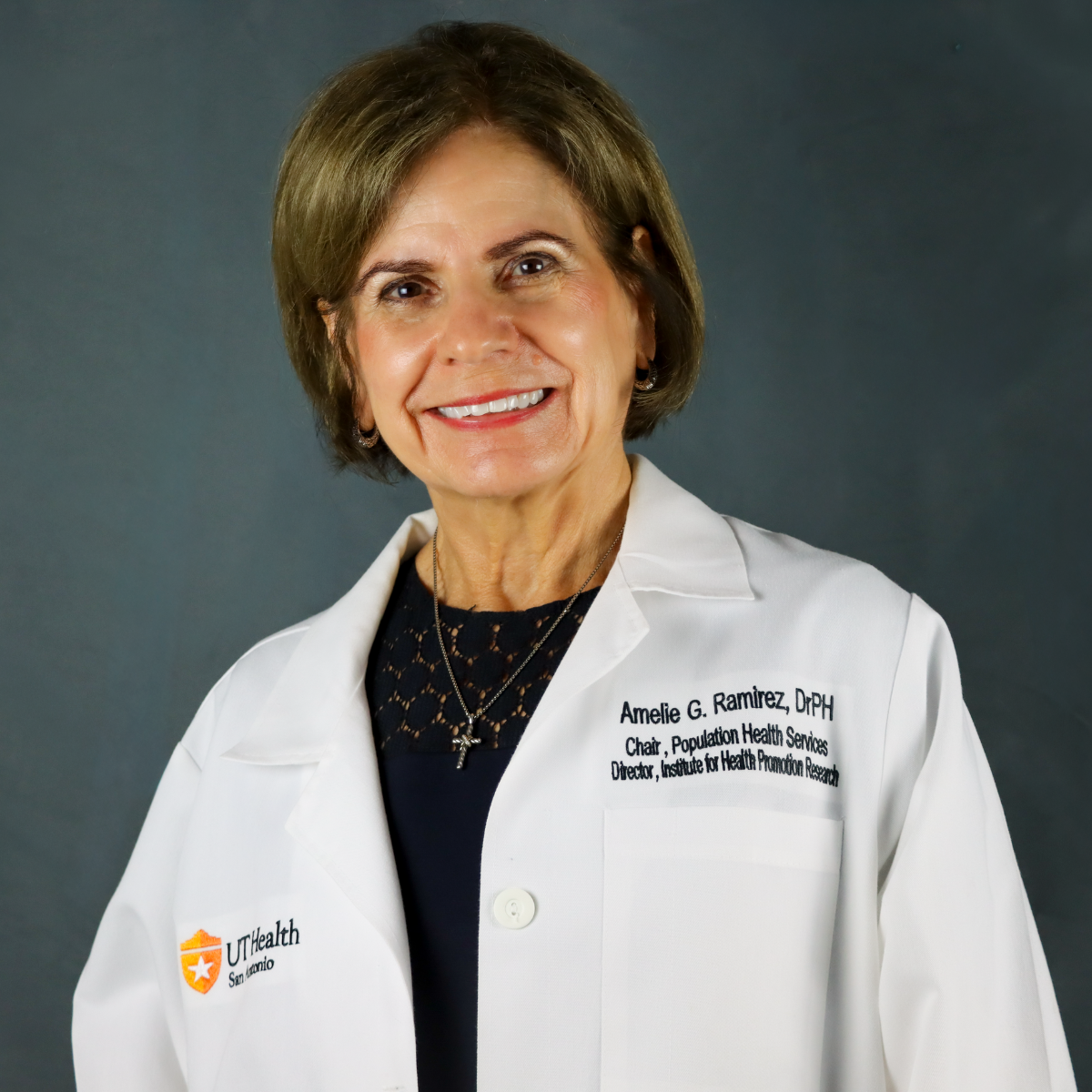
With more than a decade of specialized experience spanning program evaluation, rigorous research design, and advanced statistical analysis, Dr. Jones focuses her academic lens heavily on health systems research and the non-medical drivers of health—often referred to as social determinants of health. Her scholarly foundation is built upon a doctorate in Applied Demography from the School of Public Policy at the University of Texas at San Antonio (UTSA). In her current capacity at the institute, she applies her extensive analytical expertise to spearhead community engagement strategies aimed at improving cancer control and prevention outcomes across diverse populations.
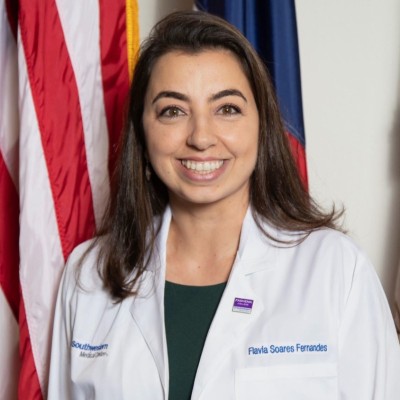
Dr. Flávia Fernandes
The journey of Dr. Flávia Fernandes highlights the power of perseverance, dedication, and deep community connection. Originally from Brazil, Dr. Fernandes harbored a steadfast dream of practicing medicine from a young age, a goal she achieved through years of rigorous study and personal resilience. Today, she serves as a family medicine resident physician at UT Southwestern, applying her clinical training to direct patient care.
Prior to entering her residency, Dr. Fernandes made significant waves in community health advocacy as a key member of the El Bari UT Health Healthy Choices Team. This collaborative initiative in San Antonio brings together doctors, medical students, and local community members to develop and disseminate accessible health education resources and nutritious, culturally relevant recipes online. For Dr. Fernandes, practicing medicine is not merely a profession, but the fulfillment of a lifelong aspiration to understand how physicians can actively engage with communities to foster positive lifestyle changes. Reflecting on her journey, she has noted that the reality of her medical career and community involvement has exceeded even her highest expectations.

Dr. Mirella Díaz-Santos
For Dr. Mirella Díaz-Santos, the fight against neurodegenerative disease is deeply personal. While she was still a student, her grandmother was diagnosed with Alzheimer’s disease, a life-altering experience that propelled Dr. Díaz-Santos toward a career dedicated to understanding and combating the condition. Driven by a desire to comprehend how a disease could so profoundly alter the essence of a beloved family member, she forged a path in academic medicine.
Dr. Díaz-Santos serves as an assistant professor in residence within the departments of neurology and psychiatry at the University of California, Los Angeles (UCLA). Additionally, she holds the position of director of research at the Hispanic Neuropsychiatric Center of Excellence at the Semel Institute for Neuroscience and Human Behavior. Her leadership extends to national platforms through her involvement with the Women’s Alzheimer’s Movement, where she works tirelessly to raise awareness about Alzheimer’s disease within the Latino community. Despite navigating instances of professional bias and discrimination throughout her academic journey, Dr. Díaz-Santos remains fiercely committed to protecting and advocating for Latino patients and their families.
Dr. Trinidad Solis
Dr. Trinidad Solis’s path to becoming a family physician was paved during her childhood, when she frequently acted as a linguistic and cultural translator during medical appointments for her Spanish-speaking parents. These early, formative experiences exposed her to the systemic barriers faced by limited-English-proficient patients and inspired her ambition to become a bilingual physician capable of delivering compassionate, culturally sensitive care to overlooked populations.
Breaking barriers as the first among her siblings to leave her small farming town for higher education, Dr. Solis earned her medical degree and subsequently pursued a master’s degree in public health at Johns Hopkins University. This advanced training allowed her to adopt a holistic approach to medicine, focusing heavily on the root causes of health disparities. Working primarily with low-income, Spanish-speaking patients affected by high rates of obesity, diabetes, and infectious diseases, Dr. Solis routinely addresses the non-medical drivers of health—such as financial constraints that prevent patients from affording vital medications—ensuring her care extends to the systemic roots of illness.
Dr. Juanita Mora
The pivotal moment that defined Dr. Juanita Mora’s career path occurred when her mother fell seriously ill with kidney disease. As a young girl accompanying her mother to medical appointments, Dr. Mora found herself translating complex medical information between her Spanish-speaking mother and English-speaking healthcare providers. When she asked her mother why the medical visits always took so much time, her mother simply replied that there were not enough doctors who spoke Spanish.
That poignant exchange planted the seed for a distinguished career in medicine. Dr. Mora went on to earn her doctorate in medicine, ultimately establishing herself as a highly accomplished physician who bridges communication gaps to provide care to patients in their native language. As a recognized leader in the field of allergy and immunology and a fellow with the National Hispanic Medical Association (NHMA), she delivers expert clinical care while actively practicing rigorous infection control measures to safeguard public health and prevent the transmission of disease within vulnerable communities.
Assessing and Improving Community Health
As communities nationwide honor these exceptional Latina physicians and health leaders during National Women in Medicine Day, public health advocates emphasize that recognizing individual excellence must go hand in hand with systemic evaluation. Understanding the baseline health status of individual towns and cities remains a critical step in addressing broader health inequities.
To assist communities in evaluating their public health landscapes, organizations provide localized resources such as the Salud America! Health Report Card. By entering a specific county name into the digital tool, residents, researchers, and local leaders can access auto-generated local data accompanied by interactive maps and comparative gauges across multiple health indicators. These metrics visualize crucial local factors spanning education, housing, transportation, food access, and overall health, allowing stakeholders to compare their counties against state and national benchmarks. Utilizing such empirical data enables advocates to raise local awareness, enrich grant proposals, inform public presentations, and drive substantive, healthy changes within their neighborhoods.