









Breast cancer remains one of the most critical public health challenges in the United States today. According to public health data, it stands as the second-leading cause of cancer-related death among women nationwide. The crisis is even more pronounced within specific demographic groups, holding the tragic distinction of being the leading cause of cancer-related death among Latina women.
Despite significant advancements in medical technology, preventative care, and early detection methods, systemic disparities persist. Women across the country—and Latinas in particular—continue to be diagnosed at later stages of the disease. A late-stage diagnosis invariably means that treatments are more taxing, recovery times are longer, and clinical outcomes are significantly less optimistic.
Public health experts point out that these disparities are largely driven by non-medical determinants of health. Barriers such as a lack of health insurance, limited access to preventative medical screenings, geographic isolation, inadequate transportation, and food insecurity create formidable obstacles to timely care. Addressing these deep-seated systemic issues requires a concerted effort involving expanded resources, enhanced community education, and continued clinical research.
As National Breast Cancer Awareness Month highlights these ongoing battles, individuals impacted by the disease—whether they are survivors, patients currently undergoing treatment, healthcare professionals, caregivers, family members, or those simply at a higher personal risk—have access to a wide array of vital resources designed to ease the journey.
1. Finding Comprehensive Patient Navigation Support
Navigating a complex medical system following a cancer diagnosis can feel overwhelming for patients and their families alike. To ease this burden, major advocacy organizations provide dedicated patient navigation and support services. The Susan G. Komen Patient Care Center offers extensive educational resources covering everything from underlying risk factors and prevention strategies to screening protocols, diagnostic procedures, treatment options, and long-term survivorship.
Beyond education, patient navigation programs actively work to alleviate the staggering financial toxicity often associated with a cancer diagnosis. Programs provide guidance on emotional support, help patients understand complex diagnoses, and offer assistance with finding appropriate clinical trials.
Patients and caregivers seeking a dedicated patient navigator can connect with professionals through national helplines or email support services. Additionally, individuals who wish to give back to their communities can participate in specialized training programs designed to prepare them to serve as certified patient navigators for others facing the disease.
2. Accessing Free and Low-Cost Breast Cancer Screenings
Health insurance status continues to be one of the most significant hurdles preventing women from keeping up with routine mammograms and preventative screenings. Missed screenings frequently result in delayed diagnoses, advancing the disease to dangerous stages before it is caught, and ultimately elevating the risk of mortality, particularly within historically underserved and overlooked communities like Latina women.
To combat these systemic barriers, federal health agencies have established targeted public health initiatives. The Centers for Disease Control and Prevention (CDC) coordinates the National Breast and Cervical Cancer Early Detection Program, a nationwide effort designed to dramatically increase access to free and low-cost breast and cervical cancer screenings.
These services are specifically designated for low-income women who lack health insurance, meet the recommended age requirements for routine mammography, and live at or below the federal poverty level. By offering these preventative services across the nation, public health officials hope to bridge the screening gap and catch potential malignancies before they advance.
3. Tapping Into Local Community-Based Support Networks
While national organizations provide broad oversight and funding, local grassroots organizations often deliver immediate, community-driven resources to individuals in the thick of treatment. These localized nonprofits fill critical gaps by addressing daily logistical hurdles that clinical settings cannot always solve.
In major metropolitan areas across the Northeast and in San Francisco, organizations such as Pink Ribbon Good step in to provide direct relief by delivering healthy meals and arranging reliable transportation to and from medical treatments. In Miami, a city with a vibrant and large Latino population, the nonprofit 305 Pink Pack offers crucial logistical support, including transportation assistance, childcare services, and grocery delivery for women undergoing treatment.
Further west in San Antonio, the Thrive Well Cancer Foundation supports cancer patients and their families through financial assistance, wellness programs, and specialized transportation services. Similarly, the Texas WINGS organization offers dedicated support networks for breast cancer patients residing throughout Central and South Texas, ensuring that localized help is available where patients live.
4. Joining Dedicated Support Groups to Combat Isolation
A cancer diagnosis can trigger intense feelings of isolation, making patients feel as though no one truly understands the physical and emotional toll they are experiencing. Surrounding oneself with peers who share similar lived experiences can profoundly lighten the psychological load of the disease.
Organizations such as CancerCare offer specialized, multi-week online support groups tailored for breast cancer patients, individuals navigating post-treatment survivorship, and those dealing with metastatic breast cancer. Virtual platforms have also expanded access, with organizations like BreastCancer.org hosting regular, free virtual support meetings conducted through secure video conferencing.
Furthermore, digital communities have made peer connection more accessible than ever. Mobile applications specifically designed for the breast cancer community allow individuals to ask questions, share personal experiences, and forge meaningful bonds with others who understand the realities of treatment and recovery.
5. Utilizing Educational Tools and Roadmaps for Health
Understanding a diagnosis, preparing for long-term treatment side effects, and adopting necessary lifestyle modifications to prevent recurrence require reliable, easy-to-understand educational materials. National organizations have developed comprehensive guides that help patients manage stress, protect their mental health, prepare nutritious meals, and comprehend complex medical jargon regarding treatment options.

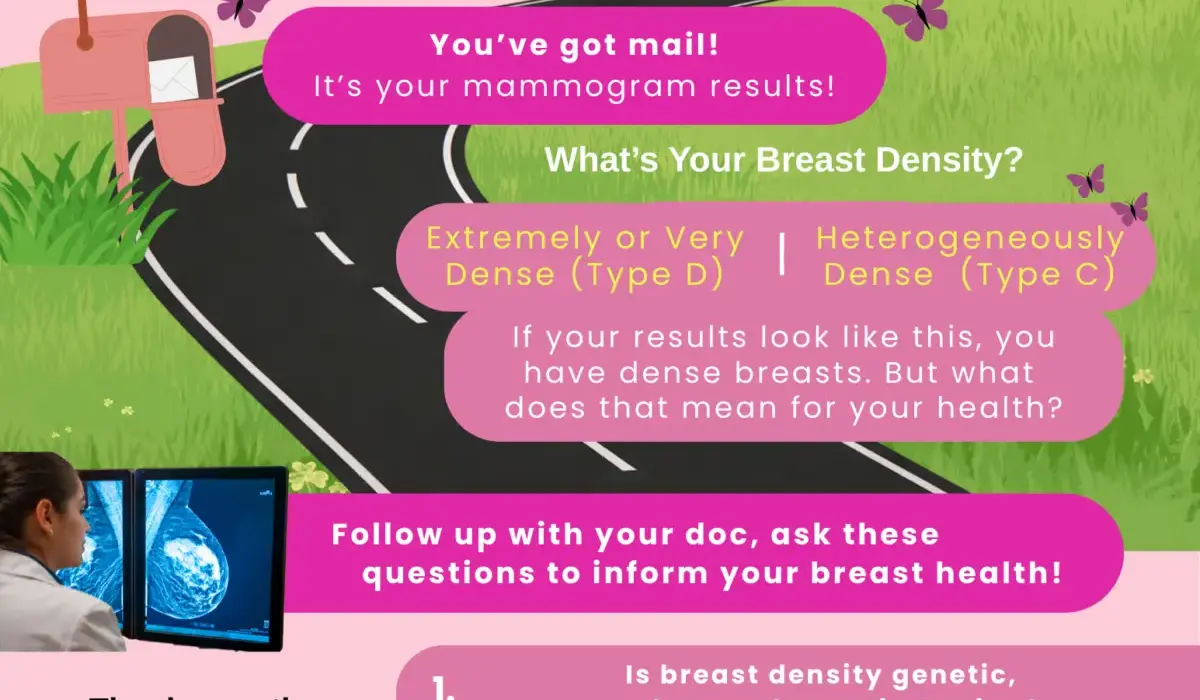
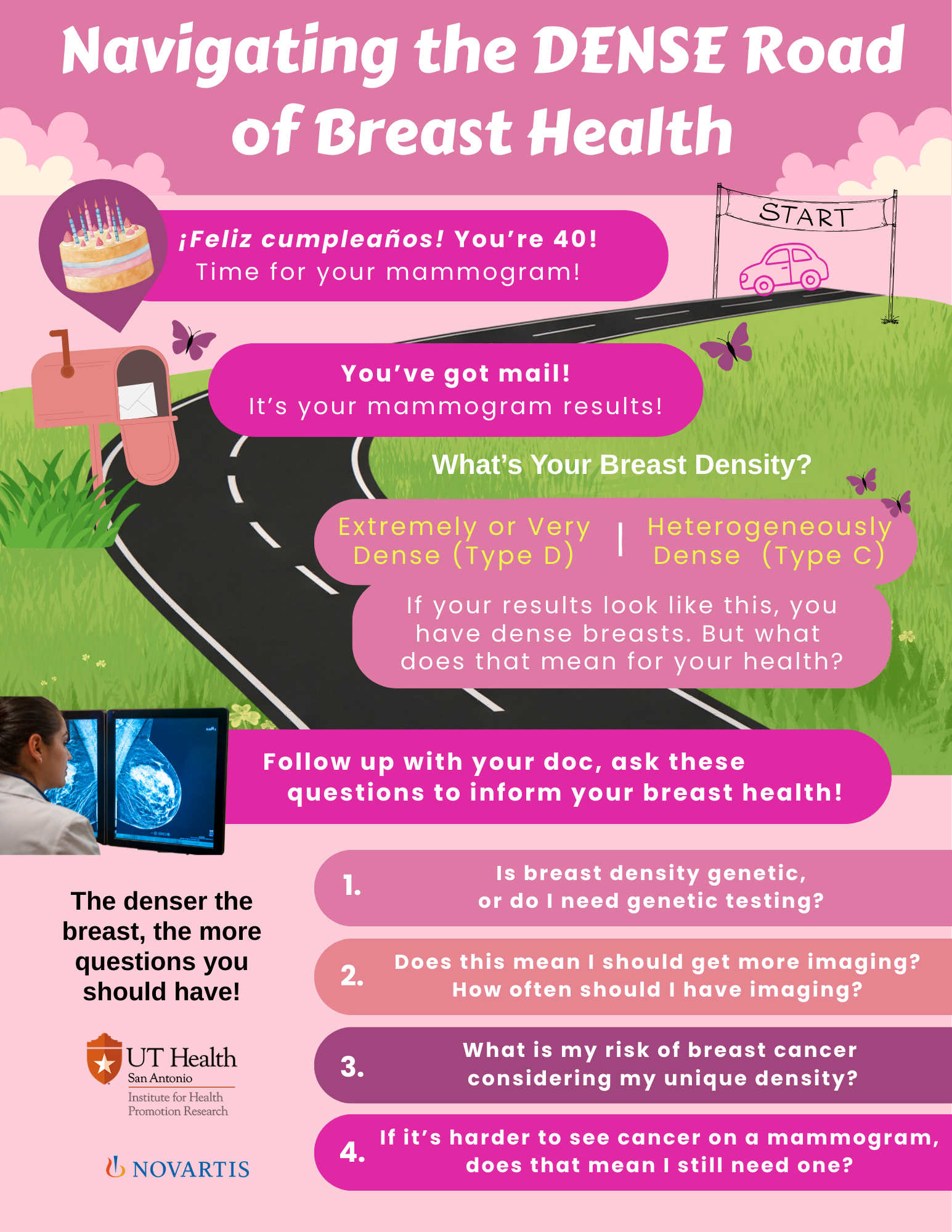
Educational outreach also focuses on specific diagnostic nuances, such as breast density. Because dense breast tissue can obscure tumors on a standard mammogram and independently elevate cancer risk, public health advocates have developed specialized informational tools. Collaborative public health initiatives have produced visual roadmaps designed to help women interpret their mammographic findings and empower them to hold informed, proactive conversations with their physicians regarding their personal breast health.
6. Selecting Specialized Oncologists and Care Teams
Choosing the right medical team is one of the most critical decisions a newly diagnosed patient will make. A successful treatment journey relies heavily on selecting an oncologist who not only possesses the necessary clinical expertise but also takes the patient’s individual needs, cultural background, personal beliefs, and preferences into account.
Regional and national medical institutions provide robust online directories and search tools to help patients locate qualified specialists. Major cancer centers feature dedicated provider-search databases allowing patients to filter oncologists by specific cancer types and geographic locations. On a national level, professional societies of clinical oncology and major cancer organizations offer comprehensive databases that break down the distinctions among various types of oncology specialists, provide guidance on evaluating credentials, and list providers who accept specific insurance plans like Medicare.
7. Contributing to the Future Through Clinical Trials
Clinical trials represent a vital frontier in the ongoing fight against cancer. These carefully regulated research studies allow scientists to evaluate new therapies designed to slow, manage, and treat cancer more effectively, ultimately building a safer future for subsequent generations.
However, historical underrepresentation of minority and diverse populations in clinical trials means that potential medical breakthroughs do not always benefit all communities equally. Public health leaders and researchers continually emphasize that trial volunteers are not only investing in their own health outcomes but are also acting as pioneers for their families and communities.
Academic medical centers and national clinical trial registries provide searchable databases where patients and their families can review active studies, examine eligibility criteria, and learn more about participating in cutting-edge research protocols close to home.
8. Drawing Strength from Survivorship Stories
The personal narratives of breast cancer survivors offer a powerful source of inspiration and guidance for newly diagnosed individuals. Hearing stories of resilience, early detection successes, and proactive advocacy helps reduce the fear and isolation often accompanying the disease.
Survivors who share their personal journeys often emphasize the importance of listening to one’s body, advocating for timely screenings, and taking charge of personal health. These firsthand accounts demonstrate that while a cancer diagnosis is life-altering, survivorship is marked by strength, community, and renewed purpose.
9. Sharing Personal Stories to Shape Future Care
The experiences of cancer survivors hold immense value for researchers striving to eliminate disparities in cancer care and improve long-term outcomes. Capturing these personal narratives is the central mission of major research initiatives, such as the Avanzando Caminos Hispanic/Latino Cancer Survivorship Cohort study based in South Texas.
This comprehensive research effort, led by academic health centers, enrolls participants who have successfully completed their primary treatments for a wide variety of malignancies, including breast, prostate, colorectal, lung, stomach, liver, endometrial, cervical, kidney, bladder, and other cancers. Program coordinators note that for many survivors, participating in the study provides a profound, structured opportunity to process their experiences, promote personal healing, and share their stories for the very first time.
By documenting these journeys, researchers aim to better understand the physical, psychological, and social factors affecting cancer survivors, ultimately working to improve detection, treatment, and prevention strategies for future generations. Individuals interested in contributing their stories or learning more about ongoing survivorship studies can connect directly with research teams through dedicated university health portals and bilingual outreach programs.