









If you are 45 or older, healthcare advocates say it is time to step up to the plate and prioritize your health by getting screened for colon cancer. That is the core message behind a new, baseball-themed, bilingual advertising campaign launched by Abbott to promote the Cologuard Plus test, a non-invasive, at-home screening tool designed to detect colorectal cancer early.
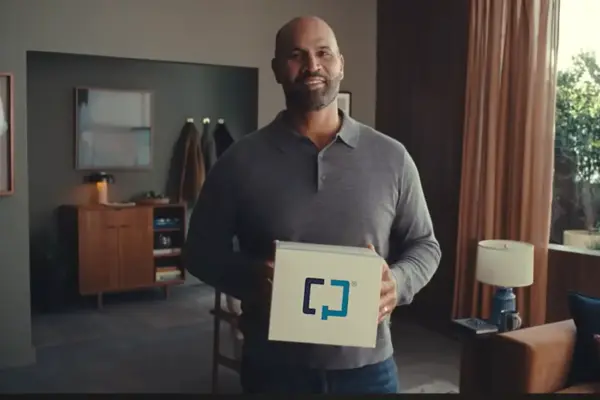
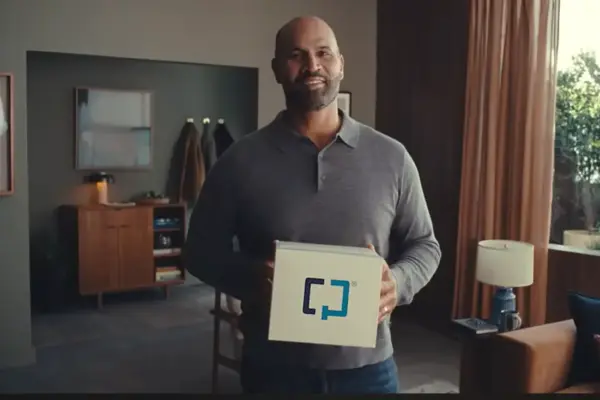
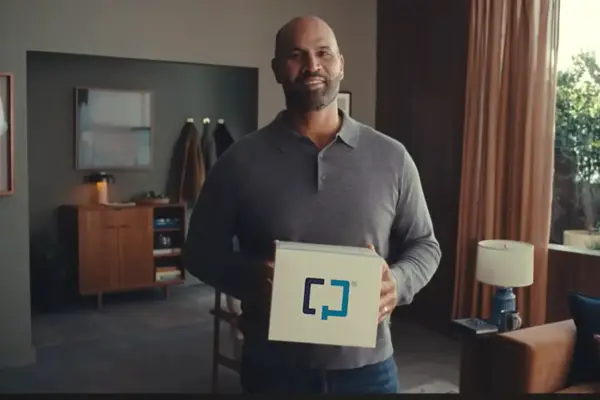
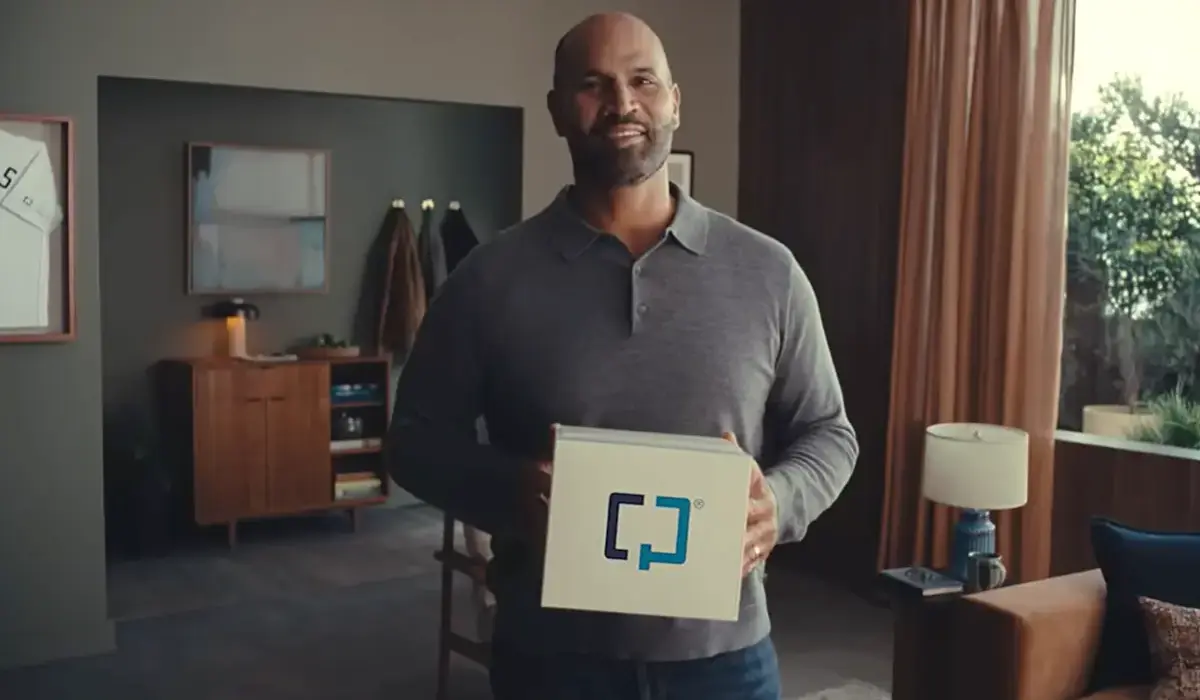
The campaign, titled "Mind Your Behind," features baseball legend Albert Pujols, who was born in the Dominican Republic and achieved legendary status with 703 home runs in Major League Baseball, alongside current Seattle Mariners star catcher Cal Raleigh. By combining sports culture with public health advocacy, the campaign seeks to dismantle the lingering social stigma and awkwardness that often surrounds conversations about colorectal health, making screening feel more approachable for everyday adults.
Jake Orville, Abbott’s Senior Vice President of Cancer Diagnostics, emphasized the deliberate choice of tone behind the initiative. He noted that while colorectal cancer screening is a serious medical necessity, the way public health advocates talk about it does not always have to be intimidating or overly clinical. The overarching goal is to make the screening process much easier to discuss openly and, more importantly, much easier for eligible adults to act upon before it is too late.
About the Baseball Campaign for Colon Cancer Screening
The "Mind Your Behind" campaign leans into a lighthearted, "cheeky" concept by acknowledging the baseline fascination sports fans often have with players’ backsides, using it as a clever hook to draw attention to the critical importance of colorectal cancer screening. Public health data indicates that nearly 60 million Americans remain unscreened for colorectal cancer, highlighting a massive gap in preventive care that early detection initiatives urgently need to address.
Albert Pujols acknowledged that while colorectal cancer is rarely a comfortable dinner table conversation, that precise discomfort is exactly why he chose to lend his voice and platform to the campaign. He expressed hope that a little bit of humor and sports-themed camaraderie would encourage people in his age group to think seriously about getting screened, especially by highlighting an option that fits seamlessly into their everyday lives and can be completed privately at home.
The campaign specifically promotes Cologuard Plus as a preferred stool-based screening option that adults can utilize every three years. The process allows individuals to complete the test at home in approximately 15 minutes without requiring any special medical preparation, dietary changes, or uncomfortable clinic visits. Once completed, the sample is mailed to a laboratory for analysis, streamlining a process that many individuals otherwise tend to postpone or avoid entirely.
Cal Raleigh, who spends his professional career behind the plate as a catcher, echoed those sentiments. He pointed out that the campaign offers a fun, relatable way to shift public attention away from traditional hesitations and toward a matter of far greater personal and family importance. Through bilingual outreach, the campaign ensures that its messaging resonates across diverse communities where language barriers or cultural hesitations might otherwise hinder preventive healthcare utilization.
Colon Cancer in Latinos
The urgency of expanding screening access is particularly pronounced within specific demographic communities. According to health statistics, colon cancer ranks as the second-leading cause of cancer death among Latino men and stands as the third-leading cause among Latinas. Geographic disparities further compound these risks; for instance, in Bexar County, Texas, more than half, or 57 percent, of all colorectal cancers are diagnosed at a late stage, a proportion notably higher than many other counties across the state.
Medical professionals stress the importance of recognizing potential warning signs, which frequently overlap with less severe health issues. Symptoms of colorectal cancer can include blood in the stool, persistent constipation, and abdominal pain. Because these symptoms are commonly associated with more benign ailments—and because such ailments are often more likely to affect younger individuals than cancer—patients frequently dismiss them or delay seeking professional medical evaluations until the disease has progressed significantly.
Reflecting on his own milestone entry into middle age, Albert Pujols emphasized that taking care of his physical well-being has always been a top priority. Now in his mid-40s, he noted that routine colorectal cancer screening has become an integral part of that ongoing personal health regimen. For individuals looking to take similar steps, health organizations encourage patients to request a testing kit and learn more through official resources at Cologuard.com, or access dedicated Spanish-language information by visiting Cologuard.com/prueba.
The Importance of Clinical Trial Participation
Addressing serious medical conditions like cancer extends beyond individual screenings and touches the broader well-being of entire families, impacting cherished relatives including parents, grandparents, and loved ones. Health advocates emphasize that active participation in clinical trials represents a vital way for communities to fight back and protect their families for generations to come.
Clinical trials are structured research studies that help medical investigators discover, understand, and refine methods to slow, manage, and treat cancer, dementia, and a wide array of other complex health conditions. However, medical researchers frequently warn that without adequate and diverse volunteer participation, the resulting medical advancements and therapeutic breakthroughs may miss the populations that need them most.
Dr. Amelie Ramirez, director of Salud America! and the Institute for Health Promotion Research at UT Health San Antonio, underscored the collective value of these research efforts. She noted that volunteers who step forward to participate in clinical trials are not only taking active steps to help themselves, but they are also actively building a future defined by potentially superior treatments that can safeguard their families down the line.
For individuals interested in contributing to these efforts, dedicated resources are available to help navigate available research opportunities. Those based in the San Antonio area can search the Mays Cancer Center at UT Health San Antonio through its designated clinical trial database to explore open studies and review specific eligibility requirements. On a national level, individuals can search for ongoing research initiatives across the country by visiting clinicaltrials.gov, while localized community resources and inspiring stories from volunteer participants can be found through the Salud America! clinical trials portal.