











Texas stands at a critical crossroads in public health, facing both profound challenges and a historic opportunity to eliminate cervical cancer as a threat to public health. While the state currently bears a disproportionate burden of the disease compared to much of the nation, public health officials, researchers, and community advocates are rallying around a newly launched strategic initiative designed to turn the tide.
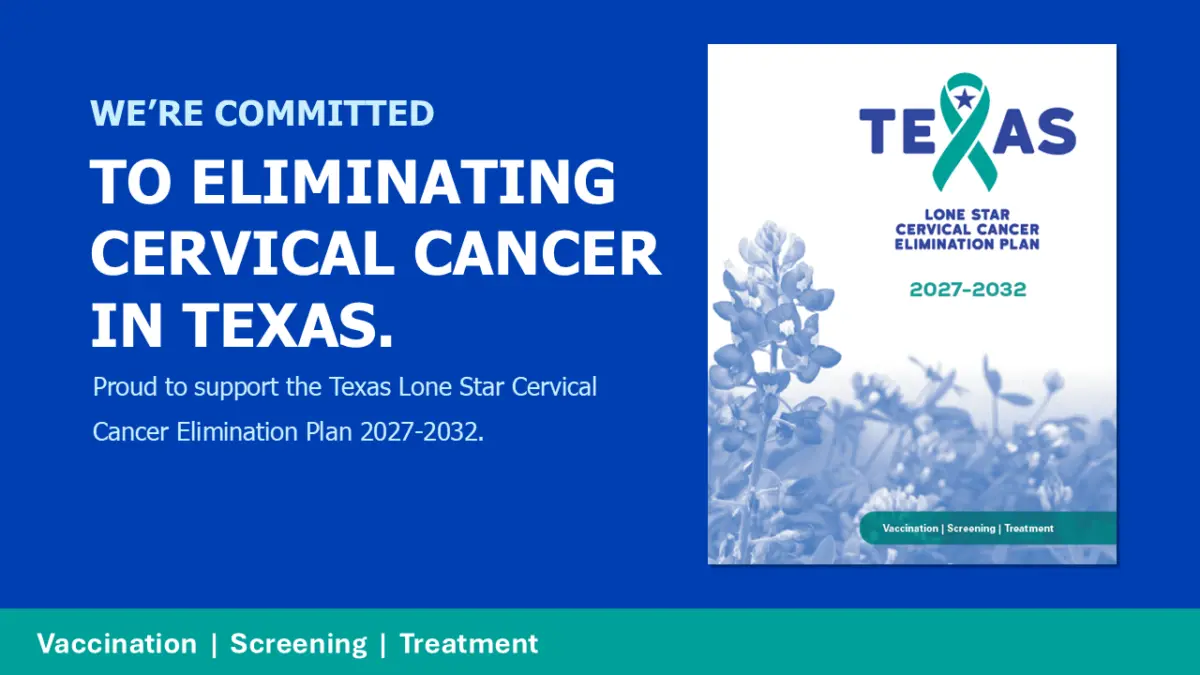
The path forward relies on a synchronized statewide effort uniting human papillomavirus (HPV) vaccination, routine cervical cancer screenings with timely follow-ups, and streamlined patient navigation to medical treatment. These pillars form the core of the newly released Texas Lone Star Cervical Cancer Elimination Plan for 2027-2032. Developed by the Cervical Cancer Elimination Priority Area Workgroup and backed by the Cancer Alliance of Texas, the comprehensive framework outlines a clear roadmap to protect future generations from a largely preventable disease.
Among the contributors to the strategic plan is Dr. Rebecca Jones, assistant director of the Institute for Health Promotion Research at UT Health San Antonio. Experts behind the initiative emphasize that the state possesses the necessary medical tools to eradicate nearly all instances of cervical cancer, but achieving that ambitious goal will demand coordinated statewide action, sustained cross-sector partnerships, and targeted strategies tailored to Texas’s diverse populations.
Why Cervical Cancer and Texas?
Cervical cancer occupies a frustrating paradox in modern medicine: it is almost entirely preventable through vaccination and early detection, yet it remains a persistent and deadly health crisis. In Texas, the impact is particularly acute. The state currently records the eighth-highest incidence rate of cervical cancer in the United States and the sixth-highest mortality rate from the disease.
Public health analysts point to a confluence of systemic and geographic factors driving these elevated numbers. Texas features a vast geographic expanse, a richly diverse multicultural population, extensive international border regions, and numerous underserved rural communities. Furthermore, the state struggles with high uninsured rates, cross-border healthcare utilization, and a fragmented continuity of care that frequently causes dangerous delays between an initial screening and necessary follow-up diagnostics.
Compounding these structural hurdles are disconnected medical records across disparate healthcare systems. When patient histories regarding vaccination status, screening dates, and follow-up care cannot be easily shared or tracked, individuals can easily fall through the cracks of the healthcare safety net.
Despite these obstacles, Texas is uniquely positioned to mount an effective counter-offensive. The state benefits from a robust prevention infrastructure bolstered by the Cancer Prevention and Research Institute of Texas, alongside strong academic, clinical, and community partnerships coalesced through the Cancer Alliance of Texas.
Boost HPV Vaccination Rates
The first major frontier in the Texas Lone Star Cervical Cancer Elimination Plan centers on aggressive prevention through human papillomavirus vaccination. The human papillomavirus is responsible for the vast majority of cervical cancers, making widespread immunization the single most effective defense available to public health systems.
The strategic plan establishes a target to significantly increase the percentage of Texas boys and girls who are up to date on their HPV vaccinations by age 15, raising the current benchmark from 50.5% to an ambitious 80%. Meeting this target will require a multifaceted approach, including the implementation of systematic clinical interventions, robust community outreach and education campaigns, and expanding the availability of the HPV vaccine into nontraditional healthcare settings where adolescents and families receive services.
Advocates for the plan emphasize the human cost of inaction and the moral imperative of prevention. Ludivina Hernández, a community outreach coordinator and cervical cancer survivor, highlights the urgency of these immunization efforts. No Texan should suffer from or lose their life to a disease that medical science can prevent, noting that early detection, routine screening, and timely vaccination remain powerful tools to eliminate unnecessary suffering and save lives.
Elevate Cervical Cancer Screening
The second critical pillar of the state’s elimination strategy focuses on dramatically increasing routine cervical cancer screening rates across all regions of Texas. Overcoming existing barriers requires a fundamental shift in how and where screenings are conducted, particularly for populations historically underserved by traditional clinical models.
To bridge these gaps, public health leaders are urging the widespread adoption of primary HPV testing and HPV self-collection as accessible screening alternatives for all eligible Texans. By moving beyond traditional clinic walls and offering self-collection methods, healthcare providers can reach individuals who might otherwise skip routine testing due to geographic isolation, lack of transportation, work schedule conflicts, or financial constraints.
However, expanding access to screening technology is only part of the equation. The plan stresses that true progress requires comprehensive navigational support to guide patients through the entire screening continuum. Reducing barriers means ensuring that individuals can successfully complete their screenings, receive their results in a timely and easily understandable format, and secure immediate access to recommended follow-up care if abnormalities are detected.
Increase Cervical Cancer Diagnosis and Treatment
The third essential component of the elimination framework addresses timely diagnosis and treatment for individuals diagnosed with cervical precancer or cancer. Ensuring rapid, seamless transitions from abnormal screening results to definitive medical care plays a decisive role in stopping the progression of the disease before it becomes life-threatening.
The strategic plan establishes a clear benchmark to ensure that 80% of women who require diagnostic follow-up and treatment receive those critical services promptly. Achieving this high standard relies heavily on community outreach, dedicated patient navigation, comprehensive provider training, and robust survivorship support systems.
Experts note that fragmented care often derails patients at the diagnostic stage. To counteract this, the plan highlights the absolute necessity of implementing multilevel, multicomponent interventions. Dr. Rose Gowen, a faculty associate at the UT Health Houston School of Public Health Brownsville Regional Campus, underscores the value of these integrated approaches. Multicomponent programs successfully bring together the critical elements needed to overcome systemic challenges, uniting community outreach, patient education, patient navigation, provider training, and strong clinical partnerships into a cohesive support network for patients.
Looking Toward the Future
Eliminating cervical cancer as a public health threat in Texas is an achievable objective, but it requires unwavering commitment and continuous adaptation from all sectors of the healthcare landscape. By leaning into evidence-based interventions and fostering a culture of innovation, the state can fundamentally reshape its healthcare delivery systems.
Future efforts under the framework will depend on continuous evaluation of clinical outcomes, the flexible adaptation of regional strategies, and sustained investments in evidence-based health innovations. Through these concerted actions, Texas can build a learning health system capable of accelerating progress and ultimately closing the chapter on cervical cancer.