










For an entire generation of television viewers, the animated series Arthur was far more than just a simple cartoon about a bespectacled aardvark and his eclectic group of friends. Based on the beloved book series by Marc Brown, the show created a comforting, familiar little world that captured the everyday trials and triumphs of childhood. Over its historic run, the fictional town of Elwood City felt like a real community to its young audience, mirroring the diversity and dynamics of neighborhoods across North America. That world expanded significantly in 2001 when the series made room for a brand-new family moving in next door, forever altering the social fabric of Arthur Read’s neighborhood.
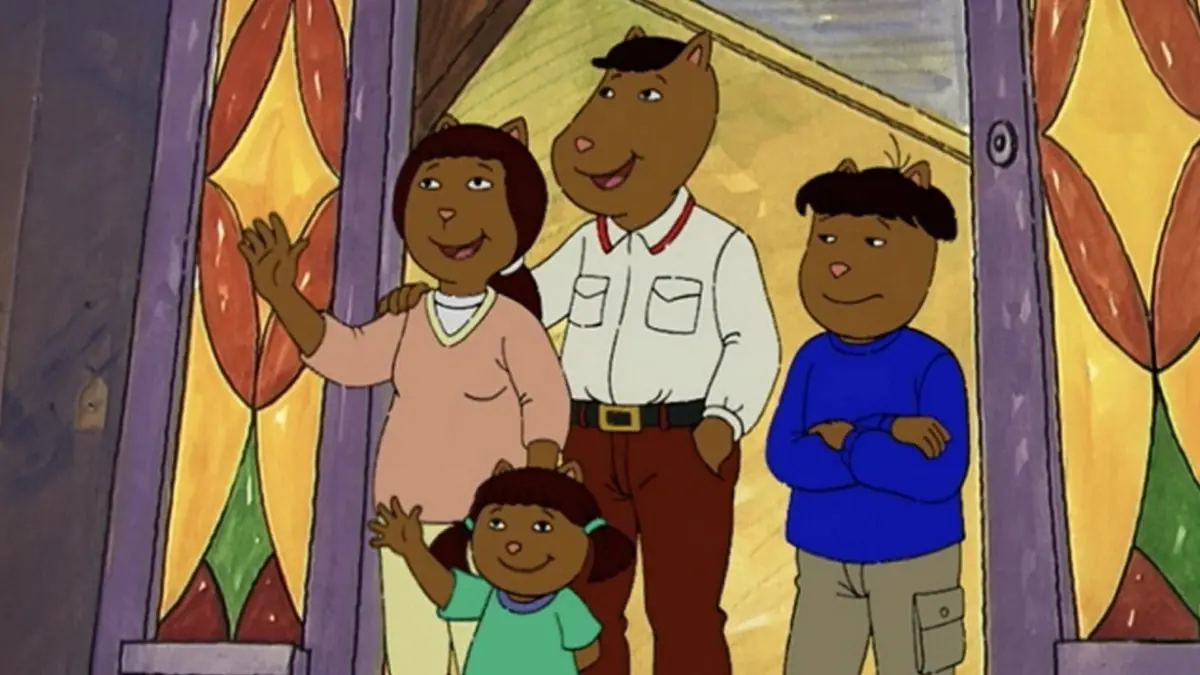
In the memorable episode titled "Arthur and Los Vecinos," the titular character meets the Molinas, a warm and vibrant family originally from Ecuador. The household consists of Mr. Ramón Molina and Mrs. Molina, their 13-year-old son Alberto, their lively 3-year-old daughter Vicita, and the family dog, Amigo. Their arrival injects a fresh energy into Elwood City, introducing a new set of neighbors for Arthur and his family to interact with, learn from, and ultimately befriend. Rather than presenting the family as a monolithic symbol, the show introduces them with distinct personalities, routines, and a rich cultural background that feels entirely organic to the setting.
The Molinas quickly establish their own rhythms within the community. Mr. Molina runs a local establishment known as Cafe con Leche, contributing to the local business landscape of the area, while Mrs. Molina shares her passion and talent by teaching dance at the community center. When Arthur’s family pays a visit to welcome them to the neighborhood, the two families begin the gradual process of building a genuine friendship. It is depicted as a warm, everyday kind of introduction. The narrative purposefully avoids heavy-handed moralizing or grand, overly dramatic lessons; instead, it presents a very human scenario of neighbors opening their doors, extending a welcoming hand, and making room for one another in a shared community.
This cross-cultural exchange even extends down to the family pets. In a charming moment that highlights subtle cultural nuances, the Molinas’ dog, Amigo, interacts with Arthur’s family dog, Pal. Through this playful dynamic, Pal learns that Latine dogs express themselves differently, famously barking "guau" instead of the traditional English "woof." While the Molinas first step onto the screen in "Arthur and Los Vecinos," their presence in Elwood City is not confined to a single introductory appearance. The family becomes a recurring part of the series tapestry, appearing in several later episodes that flesh out their lives further, including notable installments such as "Dear Adil" and "Dancing Fools."
Alberto Molina’s storyline, in particular, continues to develop far beyond that initial neighborhood meeting, giving viewers a more complete picture of a teenager navigating his hobbies, interests, and identity. Alberto is a passionate soccer fan who treasures a soccer ball he affectionately calls "El Boomerang." The ball holds special significance because it is signed by a fictional Ecuadorian soccer player named Juan-Carlos Salamanca, grounding Alberto’s personal passions in his heritage while connecting him with his peers.
In a subsequent episode titled "Dear Adil," Alberto’s character takes on a deeper narrative role when he pushes Arthur to think more critically about cultural stereotypes. The plot thickens after Arthur reads a comic book featuring a depiction of a golden Mayan temple located in Ecuador—a geographic and cultural conflation that Alberto challenges. This moment allows Alberto to speak up when a media portrayal gets something wrong, offering young viewers a masterclass in media literacy, cultural respect, and the importance of accurate representation.
These thoughtful narrative details ensure that the Molinas are given much more than a fleeting cameo or a token appearance. They are developed as a fully realized family with their own distinct interests, hardworking careers, everyday humor, and individual perspectives. When misconceptions arise, Alberto is given the agency to correct them, providing a voice that resonates deeply with viewers who rarely saw themselves accurately reflected in children’s television programming of that era. For many audiences revisiting the series years later, that specific kind of thoughtful, respectful representation remains a standout element worth remembering and celebrating.
Reporting by Anna Ortega.