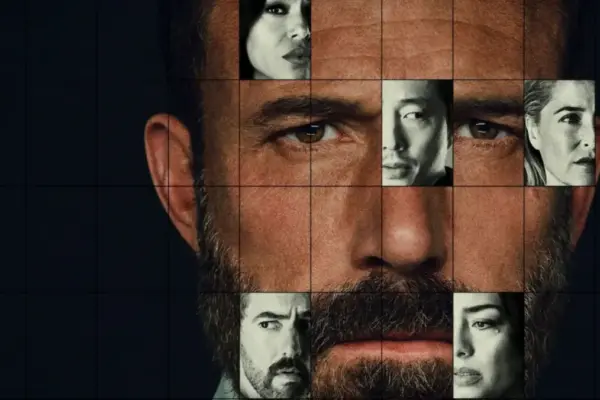







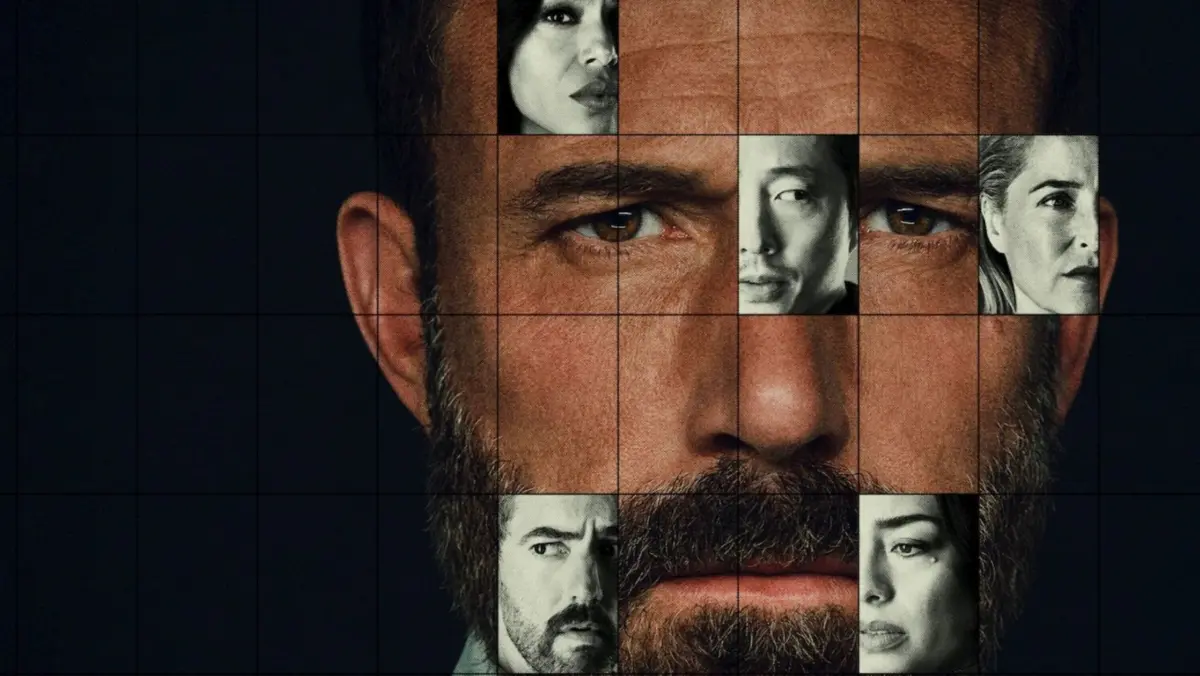
Ben Affleck recently sat down for an in-depth conversation with veteran journalist Jorge Ramos to discuss his latest directorial project, the Netflix thriller Animals. From the outset of the interview, it became clear that this project was never approached by the filmmaker as a detached or purely commercial creative exercise. Instead, Affleck spoke candidly about the deeply personal convictions that guided the film’s production, emphasizing that the United States is fundamentally a nation of immigrants. Pointing to his own family history and background, he argued that the story of Luis and Adriana—the two Mexican characters at the center of the cinematic narrative—is inextricably linked to the broader, ongoing story of the United States itself.
This framing was not merely a calculated marketing angle designed to generate headlines, but rather the core driving force behind every creative and logistical decision Affleck made while directing and co-writing the film. Throughout his discussion with Ramos, Affleck addressed the deliberate risks he knew he was taking by bringing such a politically and socially charged story to the screen within the current American political and cultural climate surrounding immigration.
Affleck acknowledged that the atmosphere of fear, anxiety, and uncertainty among immigrant communities across the United States has grown considerably in recent years. This harsh reality made itself directly and unexpectedly visible during the principal photography of Animals in Los Angeles. According to the director, there were specific days during production when the crew was forced to temporarily suspend filming because active U.S. Immigration and Customs Enforcement (ICE) operations were actively taking place in the immediate neighborhoods where the cast and crew were working. Describing the experience, Affleck noted the surreal and striking nature of watching the complex, tense situations written into the film’s script literally play out in real life right outside the production’s perimeter—a dramatic collision of fiction and harsh social reality occurring simultaneously on the very same city streets.
He Knew Making This Film Was a Risk and He Made It Anyway
Affleck was remarkably direct about the inherent professional and social risks associated with producing a mainstream feature film centered squarely on the dignity, complexity, and humanity of immigrant characters. In the current polarized political landscape regarding U.S. immigration policy, choosing to spotlight these themes is viewed by many in Hollywood as a risky endeavor. However, Affleck explained that he made the deliberate decision to assume those risks because the topic not only demanded attention, but felt entirely unavoidable given the state of contemporary society.
In his conversation with Jorge Ramos, Affleck elaborated on his primary creative goal: to portray immigrants not as flat supporting characters or background elements in someone else’s narrative, but as fully realized human beings with inherent dignity who serve as the true protagonists of their own stories. He stressed that the intense social relevance of the current historical moment made it impossible for him to simply look away from the profound responsibility that comes with wielding a major platform to tell a story of this magnitude.
Furthermore, Affleck addressed a pervasive and long-standing perception within the traditional Hollywood film industry regarding English-language audiences and their supposed resistance to subtitles. He acknowledged that major studios and financiers frequently operate under the widely held assumption that non-Spanish-speaking audiences strongly prefer monolingual English content and will quickly disengage from major productions that require reading subtitles. Affleck actively pushed back against that limiting industry assumption by moving forward with the film regardless, arguing passionately that the profound social relevance of the story, combined with the absolute necessity of representing the immigrant experience with unwavering honesty and dignity, far outweighed any traditional commercial calculations regarding subtitle preferences or box-office demographics.
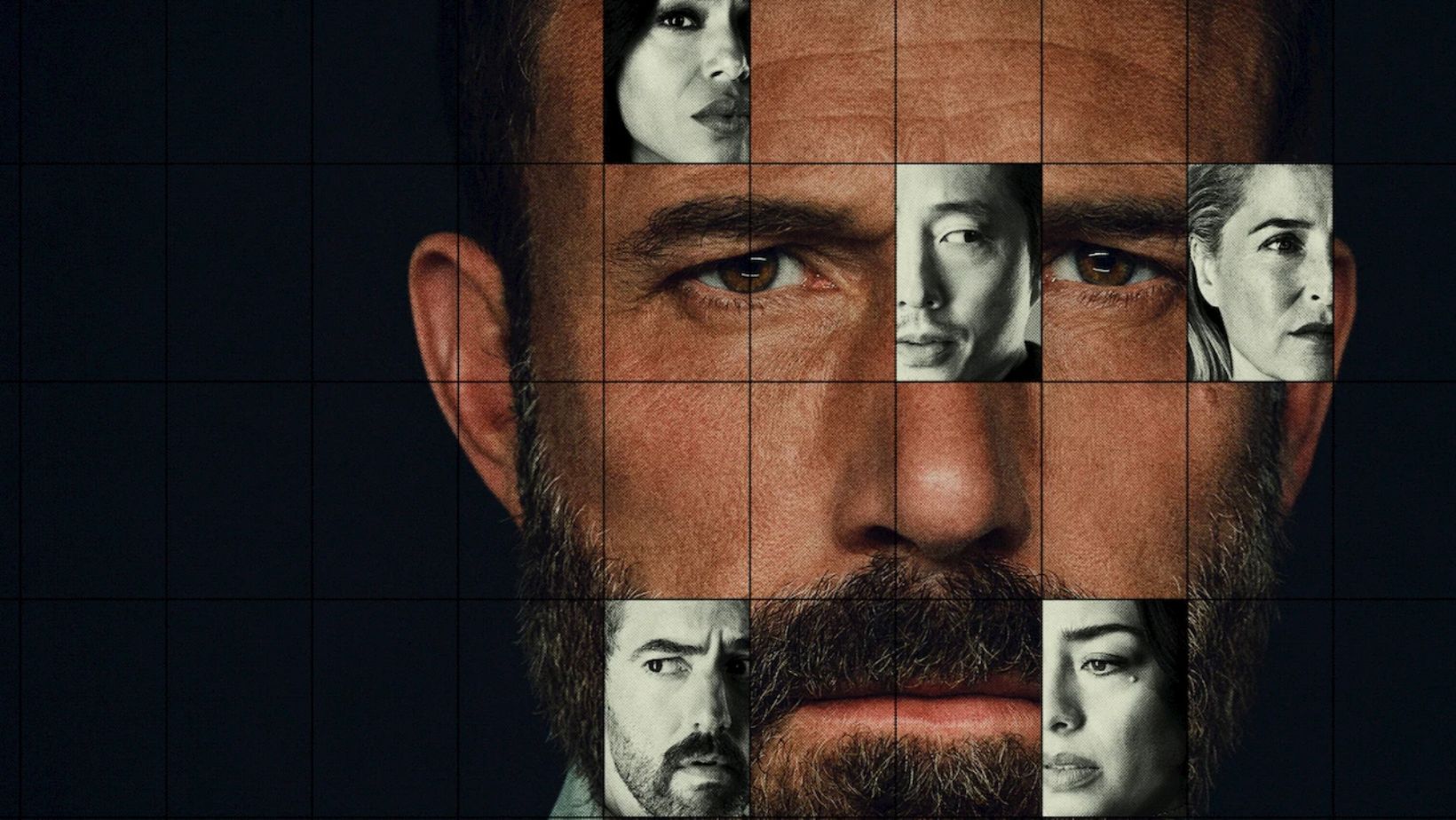
ICE Was Operating on His Filming Locations and the Script Was Playing Out in Real Life
The compelling interview with Jorge Ramos took place against the expansive backdrop of an ongoing national debate concerning U.S. immigration policy, federal enforcement practices, and the profound human impact of ICE operations on vulnerable communities across the nation. Affleck’s cinematic project enters this fierce public discourse precisely when the distance separating scripted fiction from grim reality has narrowed to an almost indistinguishable degree.
Reflecting on the days when production had to be abruptly halted due to active ICE enforcement presence in Los Angeles, Affleck explained that these harrowing real-world interruptions served to sharply crystallize his understanding of what he was actually making and why the project needed to exist in the first place. Rather than treating these sudden disruptions as merely inconvenient production delays or scheduling nightmares, he viewed them as an urgent reminder of the stakes involved.
Witnessing the very situations described in the screenplay unfold in real-time around the set provided the production with an extraordinary layer of emotional depth and authenticity that no amount of traditional pre-production research, script doctoring, or technical preparation could have possibly manufactured on its own. This intense, shared real-world experience deeply influenced how seriously Affleck took the immense responsibility of accurately representing his immigrant characters. This profound commitment to authenticity is precisely why he made the unprecedented creative choice to invite Mexican actors Adriana Paz and Luis Gerardo Méndez to take the pen and help write their own dialogue, ensuring that the conversations depicted on screen reflected genuine cultural cadence and lived experience rather than standard Hollywood approximations.
He Said This Is a Country of Immigrants and His Family Proves It
Ben Affleck’s personal and familial connection to the overarching theme of immigration is not a superficial narrative device or incidental backdrop, but rather the fundamental catalyst behind his decision to bring this specific story to life at this exact juncture in time. He stated directly to Jorge Ramos that his own people and his immediate family are immigrants, reinforcing his belief that the struggles and triumphs of the characters depicted in Animals form an integral chapter of the broader American story. He described the United States as a nation whose foundational identity, cultural richness, and ongoing evolution have always been shaped decisively by individuals who traveled from distant lands to build their lives, families, and futures within its borders.
This deeply personal framework is complemented by Affleck’s professional stature as a filmmaker and producer. He approached the project through Artists Equity, the independent production studio he co-founded alongside longtime collaborator Matt Damon. The film features a distinguished ensemble cast, bringing together acclaimed performers such as Kerry Washington, Gillian Anderson, Steven Yeun, and Ray Fisher alongside its talented Mexican leads, Adriana Paz and Luis Gerardo Méndez. Affleck undertook this ambitious cinematic endeavor fully aware that it would immediately step into a national conversation that is already deeply charged, highly divisive, and profoundly personal for millions of viewers across the country. Animals is currently available for streaming on audiences worldwide via Netflix.