




Growing up as a child of immigrants in New Jersey, the cultural landscape of home was constructed from a unique blend of American suburban life and deeply rooted Caribbean traditions. For many first-generation families, this dual identity was not negotiated through grand, deliberate gestures of cultural preservation, but rather through the ambient, everyday rhythms of the household. Among the most powerful anchors of this bicultural existence was television—specifically the Spanish-language broadcasting giants of Univision and Telemundo, which served as an electronic bridge between the homeland parents left behind and the American reality their children were navigating.
When looking back at childhood memories of growing up Dominican in the Garden State, the most vivid recollections are rarely the milestone events. Instead, they are sensory snapshots anchored to the living room: the blue-white glow of a television set flickering in the corner while dinner was being prepared in the kitchen. The sounds of spoken Spanish would cascade through the speakers, competing with the lively clatter of pots and pans, overlapping family conversations, and the occasional lighthearted argument over who had control of the remote control. More often than not, the channel choice came down to a familiar toss-up between the era’s dominant Spanish-language networks.
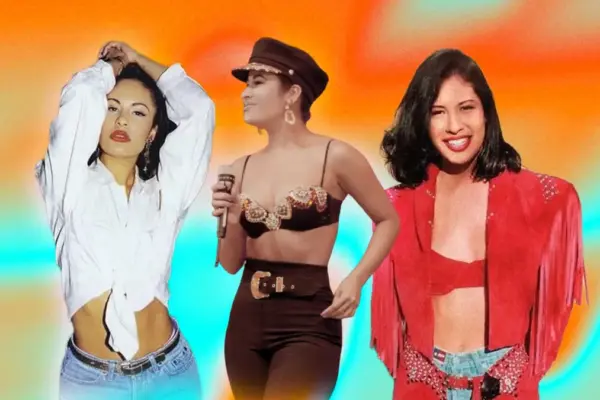
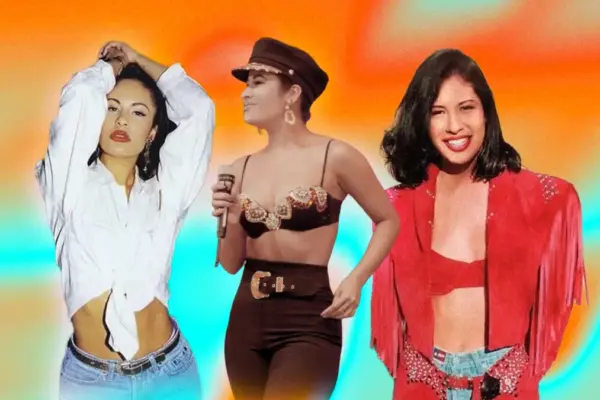
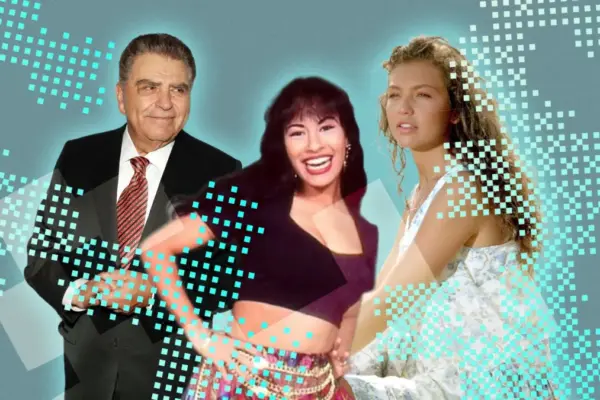
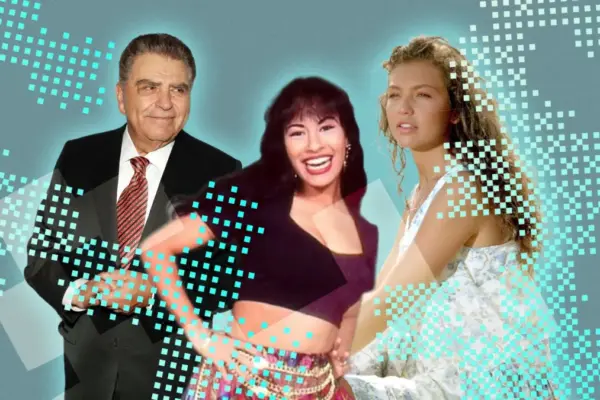
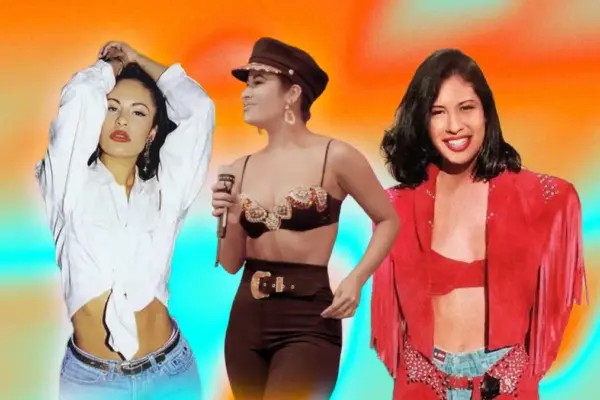
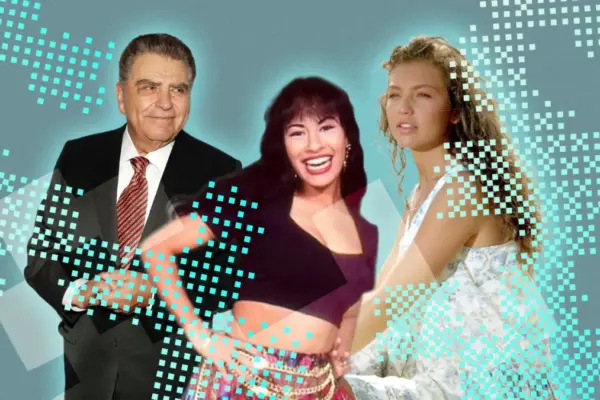
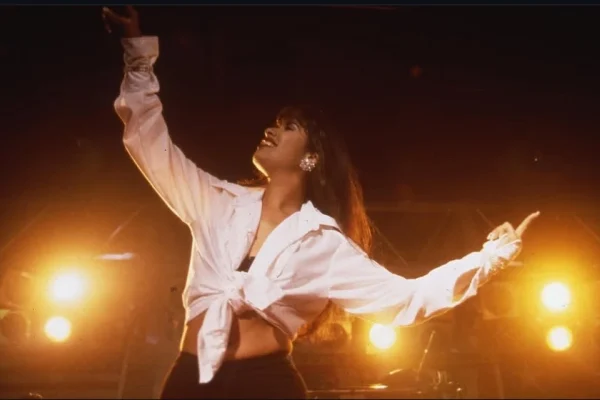
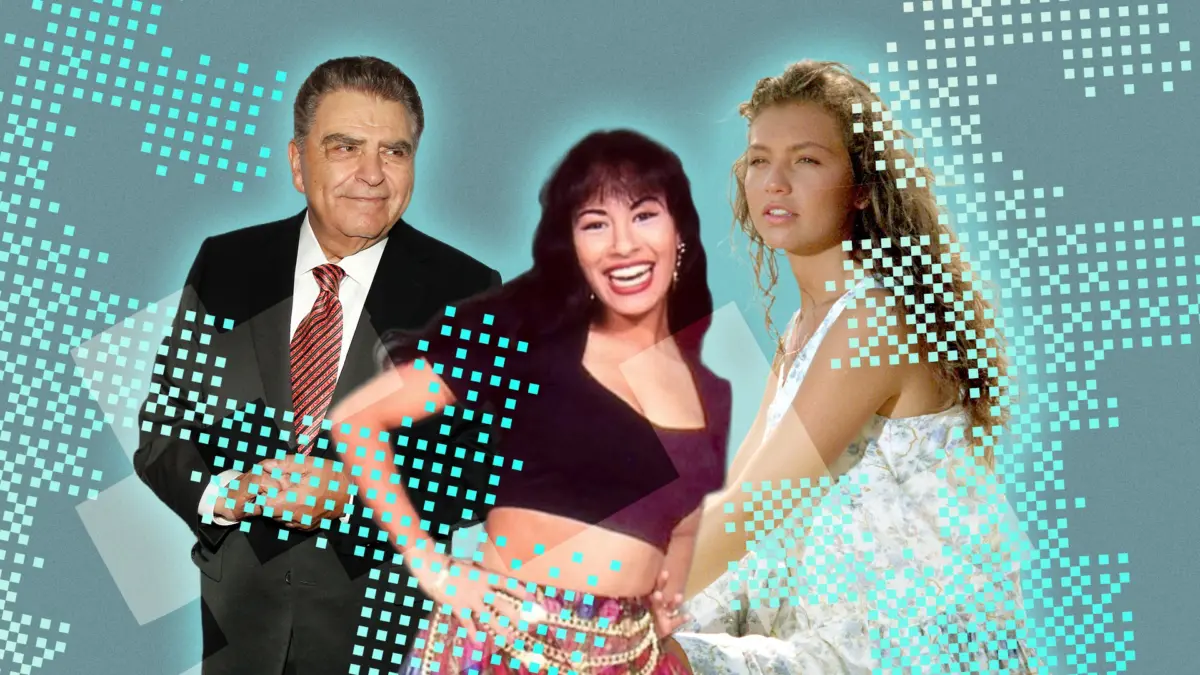
These screens introduced a rotating cast of icons who became household names across the diaspora. There were afternoons spent watching Marimar, the classic telenovela starring Thalía and Eduardo Capetillo, which provided many young viewers with their first television crushes. Weekends brought the eagerly anticipated spectacle of Sábado Gigante hosted by the inimitable Don Francisco, a variety powerhouse that families looked forward to all week long. Alongside these scripted dramas and variety hours, viewers relived the magnetic performances of Selena, replaying her interviews and music videos on home recordings because the community never seemed ready to let those transcendent moments fade.
There was something profoundly potent about hearing Spanish spoken fluently and dynamically inside a home nestled in suburban New Jersey. Even when the specific plots of the telenovelas or variety sketches did not directly mirror the Dominican immigrant experience, the broader emotional resonance felt intimately familiar. The linguistic expressions, intricate family dynamics, distinct humor, and larger-than-life personalities reflected pieces of a culture that children of immigrants instinctively recognized as their own.
Watching a program like Marimar alongside family members was never a silent, passive viewing experience. It was an interactive event. A mother might shake her head in disbelief at a protagonist’s poor decision, prompting an immediate chorus from other relatives: "¡Te dije que eso iba a pasar!" Within moments, the room would fill with a cacophony of overlapping voices, good-natured laughter, gentle teasing, and playful debates over who had predicted the plot twist correctly.
This dynamic mirrored the exact energy found at traditional Dominican family gatherings, where adults would laugh over decades-old anecdotes and fiercely debate everything from neighborhood gossip to the unfolding drama on the television screen. Someone was always calling out from another room, yet somehow, everyone remained fully engaged in the ongoing conversation. Even if the television show did not explicitly tell a Dominican story, experiencing it collectively with family members imbued the living room with the unmistakable warmth of home.
Marimar was produced in Mexico, and Selena was a proud Mexican American icon, yet culture does not always demand hyper-specific, direct representation to be felt. Often, cultural connection arrives through recognition—through shared emotional registers, values, and artistic expressions that transcend national borders within the broader Latino diaspora.
At the time, these ordinary evenings were not viewed as intentional acts of cultural preservation. To a child growing up in New Jersey, it was simply television—a backdrop to homework, dinner, and family time. Decades later, however, the profound impact of those routine moments becomes clear. They were instrumental lessons in identity, teaching children who they were, where their families originated, and how to honor that heritage while navigating a new country.
For countless immigrant families across the United States, broadcast media functioned as much more than mere entertainment. It served as a vital lifeline, connecting parents to their native languages, musical traditions, and comedic sensibilities while helping their children anchor themselves to a cultural identity while building a life abroad. It was the magic of appointment television. Families tuned in because a broadcast was scheduled, and those shows naturally morphed into family discussions because everyone had shared the exact same viewing experience.
This shared media consumption allowed children to inhabit two worlds seamlessly. They could speak English all day at school, navigating the social and academic expectations of American institutions, and then return home to a living room resonant with Spanish. They could grow up fully integrated into the fabric of New Jersey while simultaneously absorbing rich, vibrant pieces of Latin America and the Caribbean through a glass screen. For these families, assimilation did not require erasure; children did not have to choose between being Dominican and being American—they could simply and comfortably be both.
Even today, hearing the iconic opening notes of a telenovela theme song instantly conjures the distinct atmosphere of those family evenings. Yet, the mechanics of how people consume television and media have shifted dramatically. The era of waiting anxiously for a specific broadcast time or gathering physically in the living room to negotiate a channel has largely given way to modern streaming habits. Audiences now watch content independently on personal devices, whenever their schedules permit. When a modern viewer encounters something funny or evocative of their roots, the communal living room reaction has migrated to digital spaces—typically expressed through shared video clips, reaction videos, or memes inside a family group chat.
While the fundamental connection to culture remains robust, its structural shape has evolved. Growing up, a memorable telenovela plotline, a standout musical performance on Sábado Gigante, or a popular song broadcast nationally would automatically transform into the next day’s communal talking points because mass audiences had consumed the exact same content simultaneously. Today, characterized by endless streaming choices, algorithms, and personalized social media feeds, individuals consume vastly different media diets, follow niche creators, and discover culture through highly fragmented pathways. Shared cultural moments have not vanished entirely, but they have undeniably become less automatic.
Concurrently, the media ecosystem has undergone a democratization process. Latino creators no longer wait in the wings for mainstream networks to grant them representation; they are actively building and broadcasting their own narratives across digital platforms. A young Dominican child in New Jersey can now open a smartphone and instantly locate digital communities, independent filmmakers, and content creators who directly reflect their nuanced, hyper-local experiences. This unprecedented creative freedom and accessibility represent a monumental step forward for cultural visibility.
Yet, alongside this modern abundance, a subtle sense of nostalgia lingers for the era of collective, synchronized viewing.
While digital platforms have vastly expanded the media landscape—stretching from traditional television to TikTok feeds, independent podcasts, YouTube channels, and on-demand streaming services—the underlying human desire for cultural connection remains entirely unchanged. Audiences still yearn to encounter content that evokes the feeling of home, and crucially, they still want the ability to share those touchstones with the specific people who made their upbringings feel secure and grounded.
For those who grow up straddling multiple cultures, heritage is transmitted through far more than oral histories or formal lessons about ancestral homelands. Culture lives dynamically within language, culinary traditions, shared music, and the quiet, unscripted moments families spend in each other’s company.
For many, that heritage is permanently etched into the memory of a television glowing softly in a New Jersey living room, filling the house with the cadence of Spanish. What once appeared to be simple, disposable entertainment reveals itself in hindsight to be a foundational force. The true formative element was never just the content flashing across the screen, but the act of watching it together, bound by family.
Today, audiences possess more avenues to connect with their cultural roots than at any point in history. The ongoing challenge, however, lies in preserving those connections as shared, collective experiences. Culture remains something that is not merely consumed as isolated entertainment, but something that must be actively experienced, remembered, and passed down from one generation to the next.