
In just 13 minutes, television audiences worldwide caught a vivid glimpse into the vibrant colors, unique island sounds, and iconic cultural symbols synonymous with Puerto Rico. Viewers traveled visually through towering sugar cane fields to la casita for a traditional neighborhood party known as a de marquesina, then journeyed onward to the historic Castillo San Felipe del Morro for a festive wedding celebration. The cinematic journey even made a poignant stop at Toñitas in New York for drinks and a depiction of fixing downed power lines, bridging the geographic divide of the Puerto Rican diaspora.
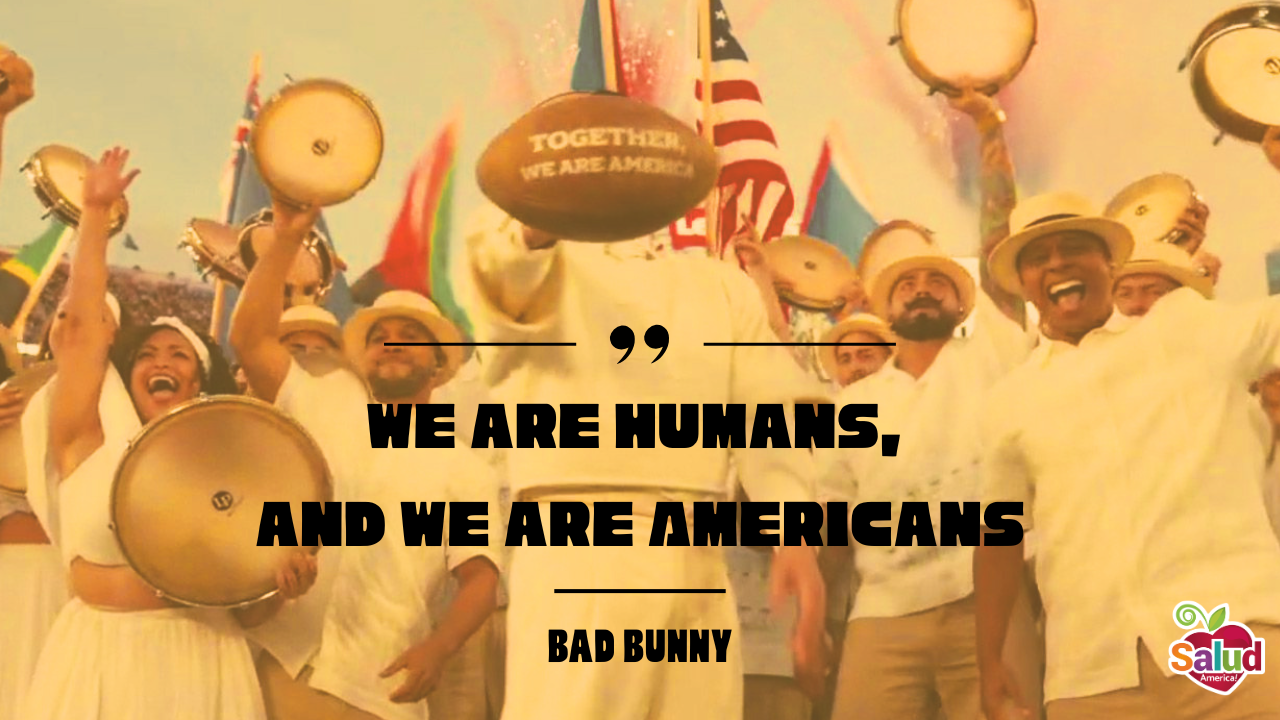
For millions around the globe, the 2026 Super Bowl Halftime Show was far more than a standard musical performance. It served as an unabashed love letter to Puerto Rico broadcast on the absolute center stage of the year’s biggest musical event, with global superstar Bad Bunny acting as the master conductor. As the monumental show drew to a close, Bad Bunny held up a football emblazoned with the words "Together we are America" and delivered a powerful, defiant phrase to the camera: "Seguimos aquí." We’re still here.
That sentiment of resilience and unity echoed strongly weeks later at the Grammy Awards. Accepting a historic award, Bad Bunny articulated a message of compassion amid adversity: "We are humans and we are Americans… Hate gets more powerful with more hate. The only thing that is more powerful than hate is love. We need to be different… if we want to fight, we have to do it with love. We don’t hate them, we love our people."
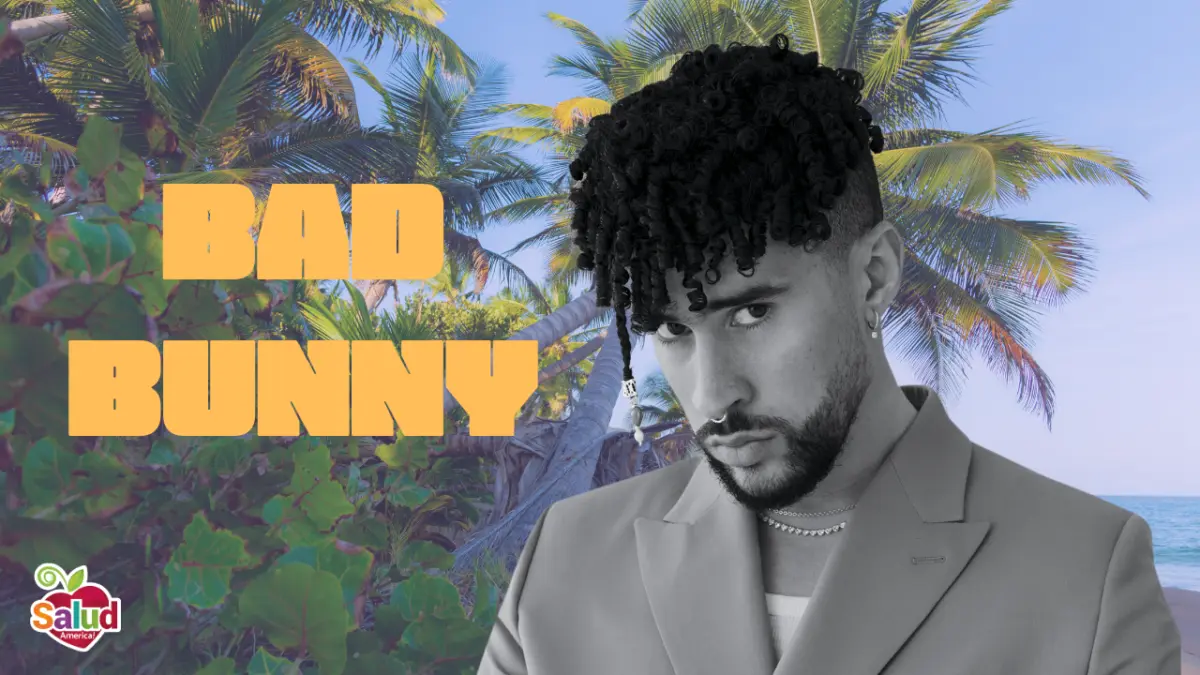
In a single groundbreaking performance at the Super Bowl, Bad Bunny introduced a mainstream global audience to the depths of Latin culture, the sonic landscapes of Latin trap and reggaeton, the Spanish language, and pressing socio-economic issues plaguing the Latino population. In doing so, he made history as the first artist of his kind to headline the event entirely on his own terms. While the Puerto Rican entertainer is best known for captivating millions with his chart-topping music and boundary-pushing style, to countless Latinos and fans worldwide, he has firmly cemented his status as a cultural hero using his platform to bring vital awareness to marginalized communities.
Bad Bunny’s Puerto Rican Roots
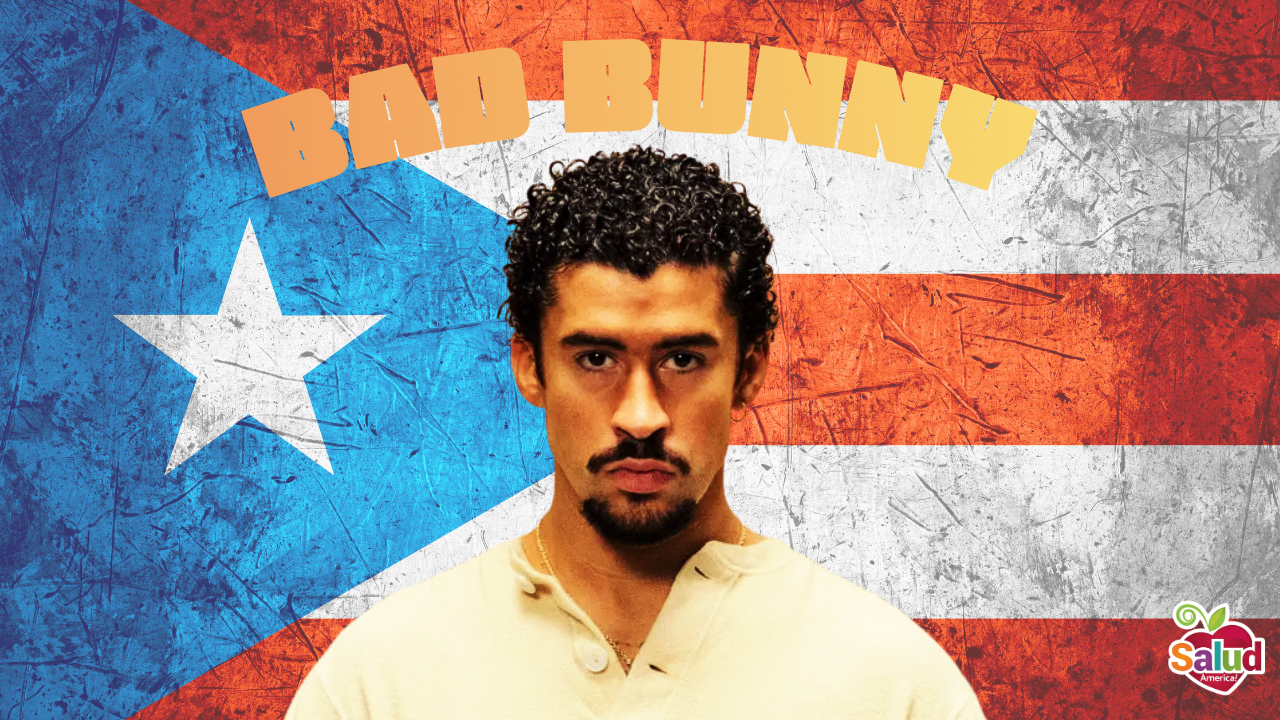
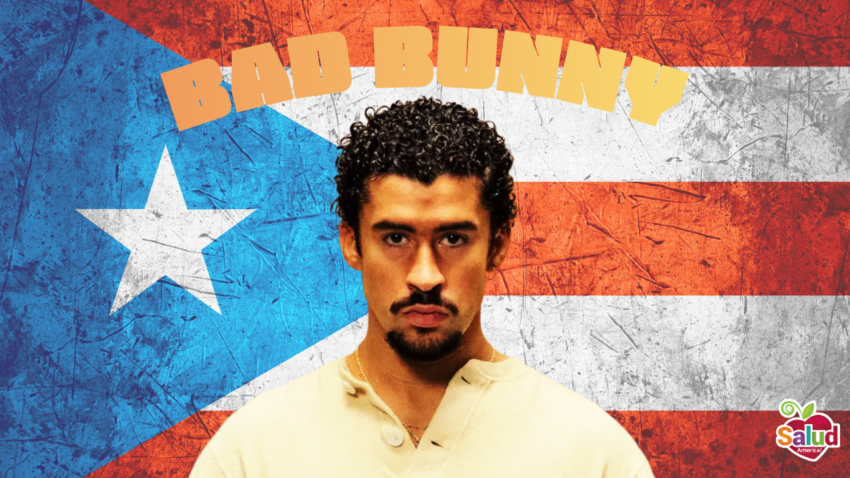
Before he became internationally known as Bad Bunny, he was simply Benito Antonio Martínez Ocasio. Born on March 10, 1994, in the coastal town of Vega Baja, Puerto Rico, Benito grew up in a tight-knit, lower-middle-class household. His father worked tirelessly as a truck driver, while his mother taught English, helping to instill a strong work ethic in Benito and his two younger brothers, Bernie and Bysael.
Growing up on the island, the future rapper immersed himself in the rich musical traditions surrounding him. He listened intently to reggaeton—a massively popular genre blending hip-hop, dancehall, and reggae—while also familiarizing himself with classic Caribbean sounds like salsa, merengue, and rock. These eclectic musical influences would eventually form the foundation of his distinct sonic identity.
Yet, music was not the only childhood element that shaped his future superstar persona. A humorous childhood encounter involving an enforced school costume would give birth to his unforgettable moniker. "I felt that I had to do something different and creative," he recalled in a 2018 interview. "When I was a little boy in school, I had to dress up as a bunny, and there’s a picture of me with an annoyed face. And when I saw it, I thought I should name myself ‘Bad Bunny.’ It’s a name I knew would market well. A bunny is something so common that I thought to myself, every time someone sees one, they’ll remember my music."
At the age of 13, Benito sang in his local church choir before beginning to experiment with audio production, beats, and freestyling. As he grew older, he enrolled in the University of Puerto Rico’s audiovisual communication program at the Arecibo campus. To support himself through his studies and help his family, he worked long shifts as a grocery bagger at a local supermarket.
Bad Bunny Launches His Music Career
Benito burst onto the broader music scene as an independent artist, uploading his original tracks to the audio-sharing platform SoundCloud while still balancing his college coursework. His early songs, particularly the breakout track "Diles," quickly gained momentum in the underground scene and captured the attention of professional music producers in 2016.
After securing management representation, Benito and his team devised an innovative strategy to bring record labels directly to him. The pair began uploading a steady stream of Spanish-language singles and visually striking music videos to YouTube, including "Pa Ti," "Loco Pero Millonario," and "Sensualidad." These digital releases generated massive online engagement and set the stage for a high-profile collaboration with Cardi B and J Balvin on the track "I Like It." The bilingual mega-hit rapidly climbed the charts, shooting straight to No. 1 on the Billboard Hot 100 and introducing Bad Bunny to mainstream American audiences.
The late 2018 release of his debut studio album, X 100PRE, solidified his rapid ascent to international superstardom. The record dominated the industry, spending an incredible 46 weeks in the No. 1 position on Billboard’s Top Latin Albums chart. Following this triumph, he teamed up with J Balvin once again, earning a prestigious Grammy nomination for Best Latin Rock, Urban, or Alternative Album. From that point forward, Bad Bunny remained a critically acclaimed, highly sought-after artist showing no signs of slowing down.
Bad Bunny Is the King of Latin Trap
Bad Bunny kicked off the year 2020 with a massive milestone, joining Shakira, Jennifer Lopez, and J Balvin on the global stage for his debut NFL Super Bowl halftime performance. Just weeks later, he dropped his acclaimed reggaeton album, YHLQMDLG, an acronym for Yo Hago Lo Que Me Da La Gana, which translates to "I do whatever I want." The project was an instant commercial and critical success, ultimately earning a Grammy Award for Best Latin Pop or Urban Album.
Maintaining a relentless creative output, he surprised fans in May with the compilation project Las Que No Iban a Salir. Later that same year, Bad Bunny released the inescapable single "Dakiti," which dominated the charts for 27 weeks at the top of Billboard’s Hot Latin Songs ranking. He capped off a historic year by releasing a third full-length project that achieved unprecedented international success.
El Último Tour del Mundo became the historic first all-Spanish-language album to debut at No. 1 on the all-genre Billboard 200 chart, later winning Best Música Urbana Album at the 2022 Grammy Awards. True to form, he followed this up in May 2022 with his fourth studio album, Un Verano Sin Ti. The record achieved staggering popularity and broke new ground by earning a Grammy nomination for Album of the Year—marking the first time a Spanish-language record had ever been nominated in the top category.
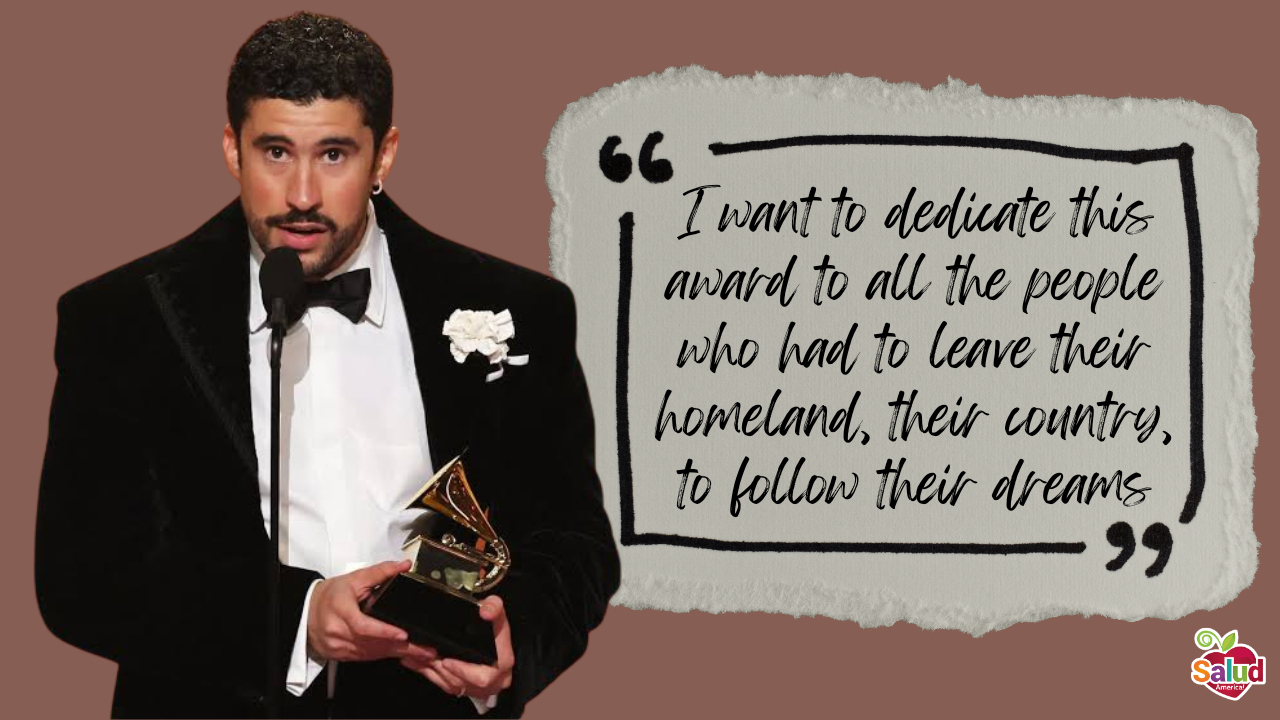
Subsequent projects, including 2023’s Nadie Sabe Lo Que Va a Pasar Mañana featuring the hit single "Un Preview," kept him at the forefront of global pop culture. However, his musical tour de force arrived with Debí Tirar Más Fotos. Propelled by major tracks like "DTMF" and "Baile Inolvidable," the album made history by becoming the first Spanish-language record to win Album of the Year at the 2026 Grammy Awards.
"I want to dedicate this award to all the people who had to leave their homeland, their country, to follow their dreams," he said passionately during his acceptance speech. Through his tireless dedication to his craft and culture, Bad Bunny has vastly increased international visibility for the genre, rightfully earning the enduring moniker "The King of Latin Trap."
Honoring Bad Bunny’s Latino Heritage
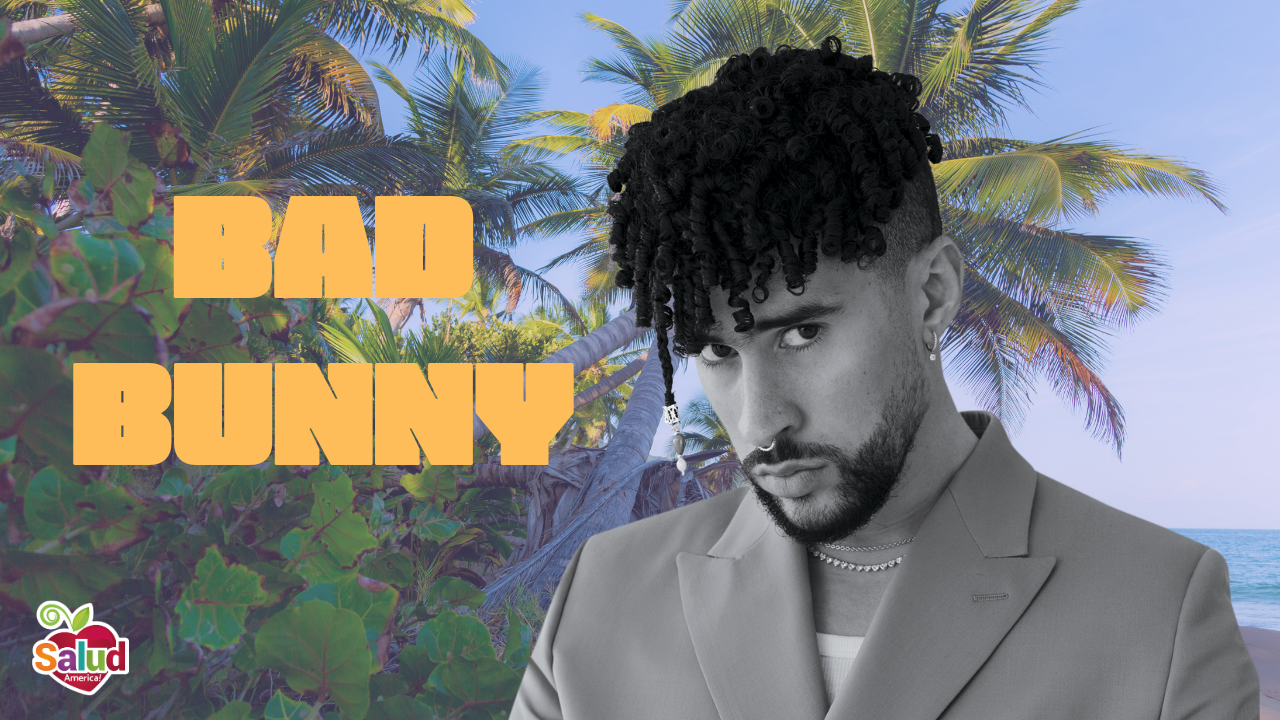
Despite scaling the absolute heights of global fame, Bad Bunny has consistently chosen to stay true to his humble Puerto Rican roots. His profound love for his homeland is a recurring, central theme woven throughout his discography. He frequently honors the specific neighborhoods, local beaches, traditional foods, and cultural symbols that embody everyday Puerto Rican life.
His lyrics often reference local geography and island slang, helping listeners ground themselves in the authentic Puerto Rican experience. This cultural pride also permeates the imagery of his music videos and album covers, offering an immersive, colorful glimpse into sights unique to the island. By blending traditional Caribbean rhythms with modern production, Bad Bunny honors the musical past while actively shaping the present and future of Latin music.
"There are people who listen to reggaeton and love it, and at the same time, they have never felt [seen] within it. In 20 or 30 years, nobody had worried about that, but I did," he reflected in an interview.
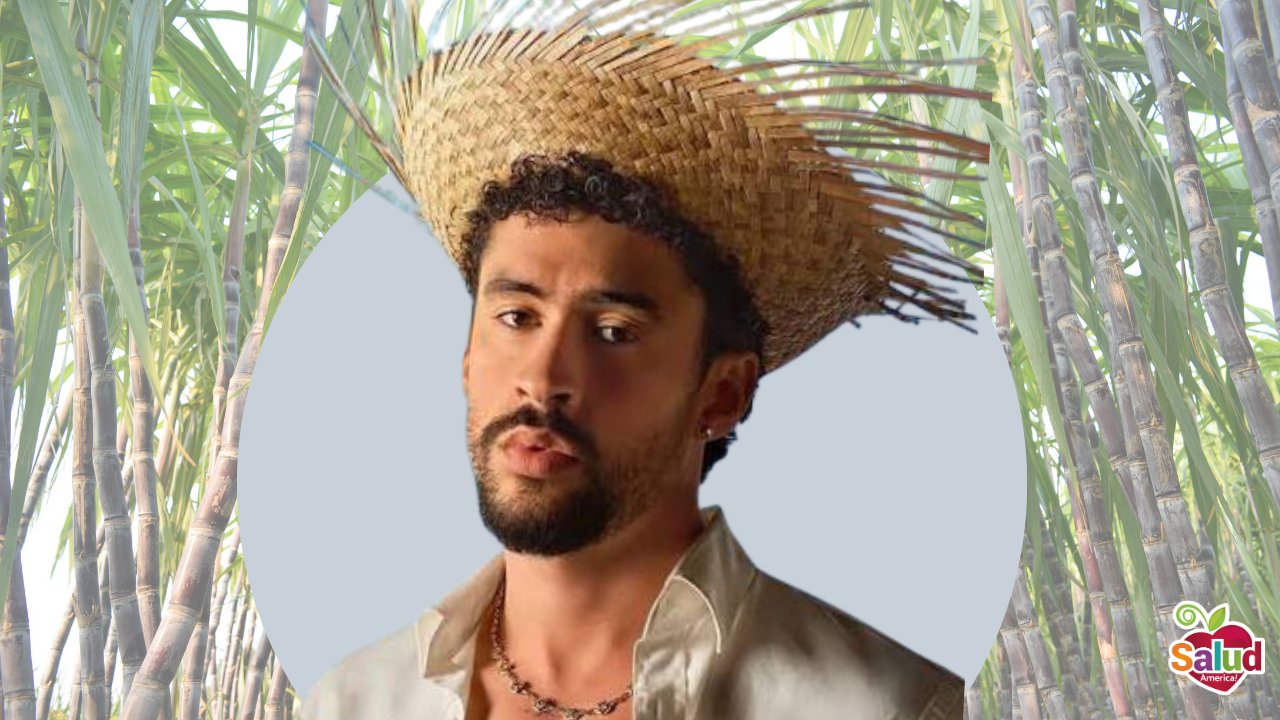
Very few global artists embrace their heritage, identity, and native language with such unwavering conviction. This pride manifests clearly in every facet of his career, including his boundary-pushing wardrobe. Known for challenging traditional fashion stereotypes, the rapper frequently incorporates a specific cultural callback into his ensembles: his signature straw hat.
Known locally as a pava, the traditional hat is woven from palm leaves and serves as a profound symbol of Puerto Rican rural culture, historically worn by agricultural workers across the island’s mountainous interior. Farming remains an important part of Puerto Rico’s heritage, representing resilience and identity for its people. By elevating these cultural symbols on world stages, Bad Bunny shares his homeland with fans across the globe, fostering a deeper understanding and respect for Puerto Ricans and Latinos everywhere.
"It makes me really proud to get to this level by speaking in Spanish, and not only in Spanish, in the Spanish we speak in Puerto Rico, without changing my accent," he stated.
Bad Bunny’s Activism
Bad Bunny’s immense international reach has provided him with a powerful platform to raise awareness about political and social issues close to his heart. One of his most prominent advocacy efforts involves drawing attention to systemic inequalities in Puerto Rico, particularly regarding fragile infrastructure and the devastating aftermath of major storms that left millions of residents without reliable power for extended periods.
Beyond infrastructural advocacy, he continually challenges traditional gender roles and machismo norms within Latino culture through his public appearances, bold fashion choices, and painted nails. "Latino culture is very machista," Bad Bunny told GQ. "That’s why I think everything that I’ve done has been even more shocking… Urban Latin music, reggaeton, is a genre where you have to be the manliest, the baddest. That’s why it’s the most shocking too."
His advocacy extends to vocal criticisms of local Puerto Rican leadership and the broader mistreatment of island residents and non-citizens on the U.S. mainland. During the height of the COVID-19 pandemic, he sought to lift community spirits in New York City by performing atop a moving truck, bringing music directly to frontline healthcare workers. Furthermore, he regularly supports community charities and foundations dedicated to aiding children and families facing poverty.
Whether through record-breaking music, daring fashion statements, or serving as a vocal advocate for those who need it most, Benito has remained steadfastly authentic. It is this unwavering commitment to his identity that defines how he hopes to be remembered by history.
"I want people to remember me as someone genuine, someone with a big heart. For being myself. That’s what leaving your mark is about, doing something that represents who you really are," he concluded.