










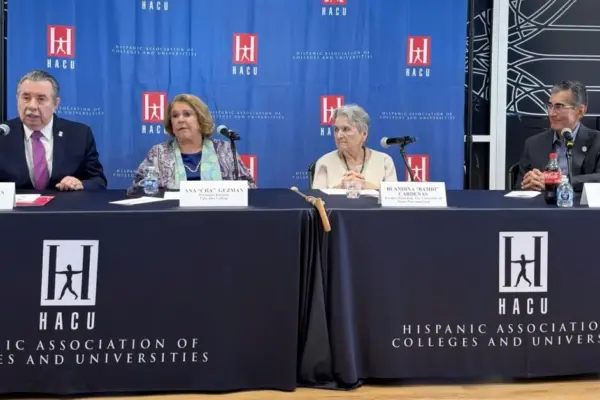

The inability to keep up with the sharp rise in costs is forcing far too many Latino parents to make difficult decisions that may have long-term consequences for their families. This stark warning comes directly from the newly released “National Latino Family Report 2026,” a comprehensive collaborative study conducted by AP-OD, UnidosUS, and BSP Research. Focused primarily on key states with large Latino populations such as Texas, California, and New Mexico, the report captures a sobering and increasingly familiar reality. Across the nation, Latino families are facing deepening financial hardships while simultaneously bearing a disproportionate brunt of aggressive immigration enforcement policies and deportations.
Despite serving as a vital engine for the American economy—driving over $4 trillion in economic output and labor value through the U.S. workforce in 2025—an overwhelming 78 percent of the Latino community continues to experience living conditions described as only "fair" or "poor." These figures are drawn from a detailed survey of 1,300 Latino parents and primary caregivers who have young children at home. When asked to identify the most pressing issues that they want Congress and the president to address immediately, respondents pointed to a clear set of economic and social priorities. Immigration reform ranked as the top concern for 42 percent of participants, followed closely by jobs and the economy at 38 percent, the broader cost of living and inflation at 37 percent, housing affordability at 25 percent, health care access at 20 percent, and border security at 15 percent.
For millions of households, these numbers reflect a daily struggle against mounting economic pressures. If everyday essentials like groceries, health insurance, or childcare feel increasingly out of reach, families are far from alone in their struggle. Nearly half of all survey respondents, or 49 percent, reported that their overall financial situation has actually worsened over the past year alone. To keep up with basic household expenses and stay afloat, families have been forced to resort to desperate measures. The report reveals that 40 percent of respondents have had to borrow money from friends or family members, 29 percent have relied on credit cards to cover bills, 21 percent are actively drawing down their dwindling savings accounts, and 23 percent have resorted to selling personal belongings.
These mounting financial pressures underscore urgent, widespread calls for structural action on the economy, the soaring cost of living—which heavily includes the staggering price of childcare—and a broken health care system. Across the board, wages simply are not keeping pace with the hard work and productivity of everyday workers.
Beyond economic survival, immigration policy remains another deeply pressing and anxiety-inducing concern for Latino communities nationwide. The survey highlights alarming trends in enforcement, noting a dramatic shift in how families are targeted. Most notably, the report details that mothers who are parents of U.S. citizens have been deported at a rate four times higher than what was observed under the administration of President Joe Biden. Furthermore, about 23 percent of respondents reported that a friend or family member has been either detained or deported over the past year.
This climate of fear has been intensely magnified by President Trump’s ongoing mass deportation plans and aggressive Immigration and Customs Enforcement (ICE) raids. The resulting panic has forced Latino families with children to alter their daily routines out of self-preservation, leading many to avoid taking their children to school, with 35 percent keeping kids home out of fear. Additionally, 24 percent of respondents stated they avoid talking to the police, 21 percent steer clear of signing up for public benefits that they may be legally entitled to receive, and 16 percent avoid visiting doctors or seeking necessary medical care. Faced with these compounding threats to their families’ safety and stability, an overwhelming 75 percent of respondents now express strong support for comprehensive immigration reform, including the expansion and permanent protection of Deferred Action for Childhood Arrivals (DACA) policies.
Despite navigating these profound systemic and economic challenges, members of the Latino community continue to demonstrate remarkable determination in finding new paths forward. Rather than succumbing entirely to uncertainty, individuals and families are proactively seeking out solutions to improve their standing. According to the report, 44 percent of respondents are actively seeking better-paying jobs or pursuing career promotions, 21 percent are taking the initiative to start their own businesses or side enterprises, and 14 percent are investing in career-building education, professional certifications, or specialized trade training. These ongoing efforts underscore the deep resilience of Latino communities as they confront an uncertain future while continuing to sustain the broader American economy.