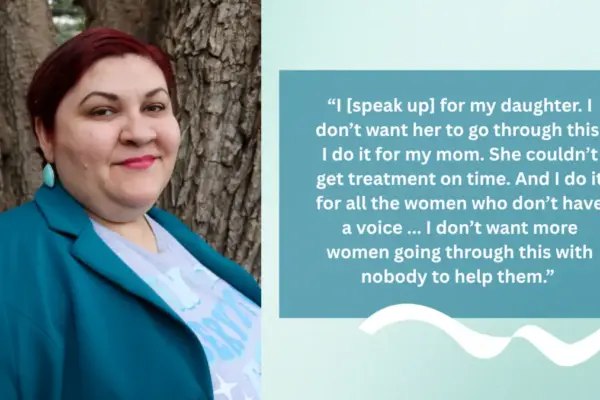










For many breast cancer survivors, the narrative follows a familiar, linear path: a routine self-examination reveals a suspicious lump, a prompt medical evaluation follows, and a swift diagnosis begins the journey toward treatment and recovery. But for Deb Blake-Ontiveros, the reality of navigating the healthcare system as a young Latina mother proved far more complicated, highlighting systemic blind spots that leave marginalized women vulnerable to medical dismissal and delayed care.
It was 2016 in Salt Lake City, Utah, and Blake-Ontiveros was living life at a relentless pace. As a single mother to a two-year-old toddler, she balanced the rigorous demands of parenthood with managing her mental health, organizing community rallies, maintaining complex relationships, and fighting a legal custody battle. Known widely within her social circles as a dedicated community leader, she frequently directed resources to those in need, operating with the tireless energy of a self-described "super mom" who placed her own needs firmly at the bottom of the list.
While breastfeeding her daughter, Blake-Ontiveros noticed a lump forming in her right breast. Trusting the established rapport she had with her primary care physician—an older male doctor who had provided reliable care throughout her pregnancy—she scheduled an evaluation, anticipating reassurance. Instead, she encountered an experience shaped by the intersection of her identity as a young woman of color on Medicaid.

Because of her age and the fact that she was postpartum, her physician dismissed the tissue anomaly. Attributing the lump to a clogged milk duct caused by infrequent nursing, he diagnosed her with mastitis, a painful inflammation of the breast tissue. Trusting her medical provider’s expertise, Blake-Ontiveros accepted the diagnosis and continued with her daily life, unaware that the underlying threat remained unaddressed.
Two years elapsed before the lump demanded attention once again. Caught up in the daily whirlwind of raising a toddler, preparing for preschool, and managing a busy household, Blake-Ontiveros admits she had largely neglected her own physical health. The turning point arrived when she entered a new relationship. Her partner, having previously lost a close friend to breast cancer, immediately recognized the danger and urged her to seek a second medical opinion.
This time, Blake-Ontiveros consulted a female physician who performed a thorough physical examination and expressed immediate concern. What followed was a swift succession of medical procedures: a diagnostic mammogram, an escalating series of alarms, and ultimately, a painful biopsy. Sitting alone in the clinic while worrying about picking up her daughter from school, she endured the procedure while a nurse held her hand, listening to medical staff struggle to interpret inconclusive imaging results.

Two days later, while boarding a train on her way to a parent-teacher conference, Blake-Ontiveros received the phone call that shattered her routine. At just 37 years old, she was diagnosed with breast cancer. True to her maternal instincts, her immediate preoccupation was not the diagnosis itself, but ensuring she arrived at her daughter’s school on time.
Deb Blake-Ontiveros: Metastatic Breast Cancer Diagnosis
The initial shock of the diagnosis was compounded by the complex realities of living with a preexisting mental illness. Facing the prospect of chemotherapy stirred profound terror, prompting Blake-Ontiveros to seek alternative, natural remedies in an effort to avoid conventional treatment altogether. She chose to postpone medical intervention, utilizing a brief window of time to search for perceived holistic cures.
However, a subsequent PET scan before her grace period concluded revealed a devastating reality. The cancer had metastasized, spreading aggressively to her lungs, lymph nodes, and the central cavity of her chest. Reflecting on the results, she recalled seeing her chest light up on the scan "like a Christmas tree," confessing that at the time, she did not fully grasp the clinical implications of a metastatic diagnosis.

Faced with advanced disease, Blake-Ontiveros shifted into high gear, adopting a resilient coping strategy she humorously referred to as her "hot chemo summer." By filling her days with poetry readings, motorcycle rides, concerts, and social outings, she kept her mind actively engaged while undergoing the grueling physical demands of chemotherapy.
Within a few months, medical imaging showed no evidence of disease. Elated by the clearance, she believed she had successfully conquered the illness, only to be surprised when her oncologist scheduled a follow-up appointment three weeks later. It was then that the true definition of metastatic cancer set in: while her scans showed no active disease, the condition was not cured, necessitating lifelong maintenance therapy and infusions every three weeks.
Deb Blake-Ontiveros: Second Breast Cancer Diagnosis
Following her primary treatment phase, Blake-Ontiveros relocated with her daughter to a rural area in Utah, moving in with her partner to seek a fresh start away from the urban environment of Salt Lake City. With the transition came a natural evolution in her public life. Having stepped back from community organizing and political protests, she redirected her considerable energy toward cancer patient advocacy, encouraged by her partner who recognized her natural leadership abilities.
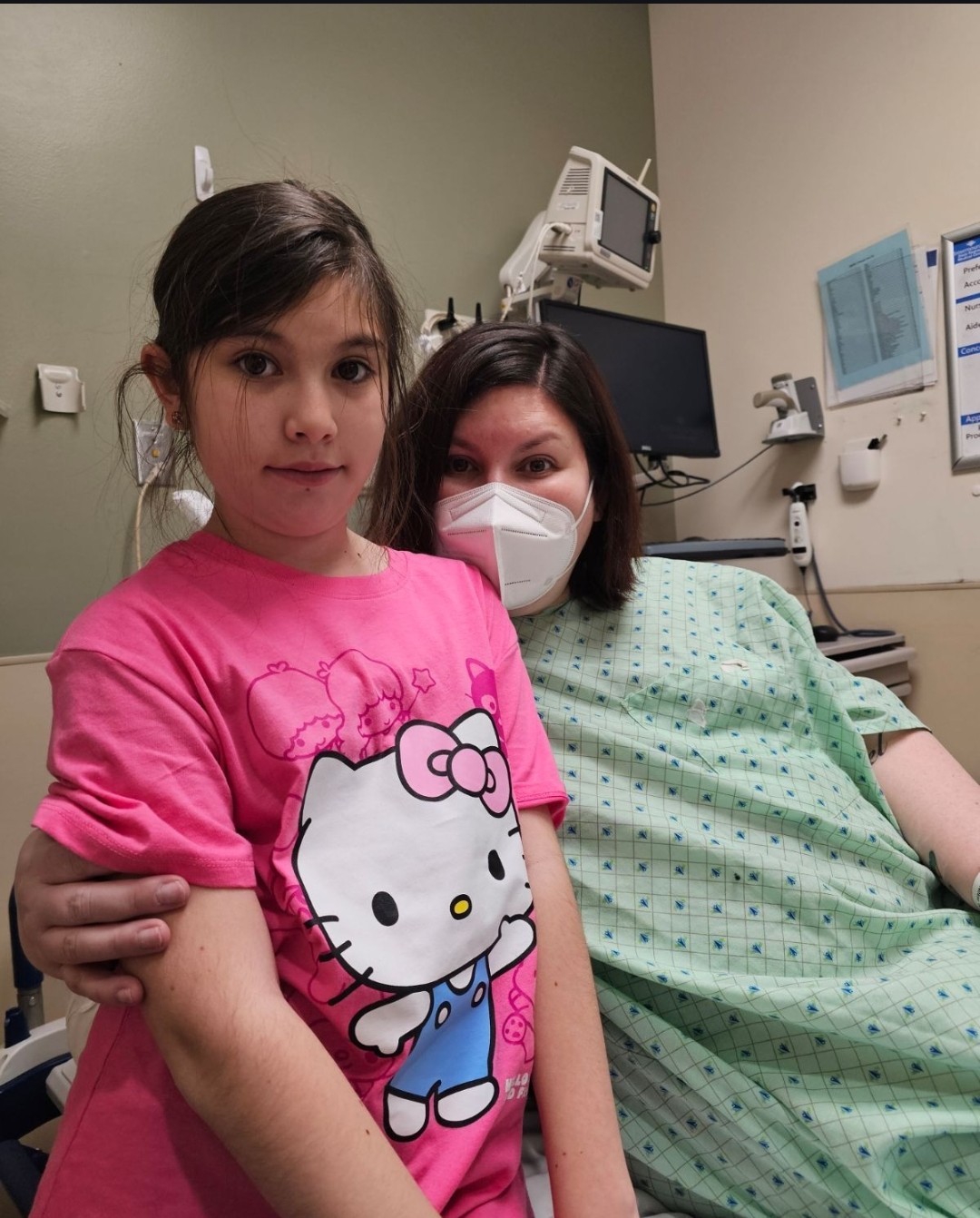
Over the following years, Blake-Ontiveros established a prominent voice in the advocacy space. She began working closely with organizations such as Living Beyond Breast Cancer, contributing guest essays to health platforms like WebMD, participating in state-level cancer coalitions, and sharing her testimony on public panels.
Just as she felt she had successfully adapted to her new normal, life introduced an unexpected obstacle. In 2023, during a routine self-examination on the first of the month, she discovered a new lump in the same breast. Moving through familiar motions—mammogram, ultrasound, and biopsy—she faced a different emotional landscape this time, sustained by the presence of a committed partner whose hand she could hold during the procedure.
The biopsy confirmed an unrelated stage 2-3 breast cancer diagnosis, plunging her back into a cycle of chemotherapy, hair loss, and physical exhaustion. While Blake-Ontiveros possessed the emotional armor forged from her first battle, the toll on her partner was severe. Having only known her in remission, witnessing her decline during active treatment proved overwhelming, leading to the end of their relationship.
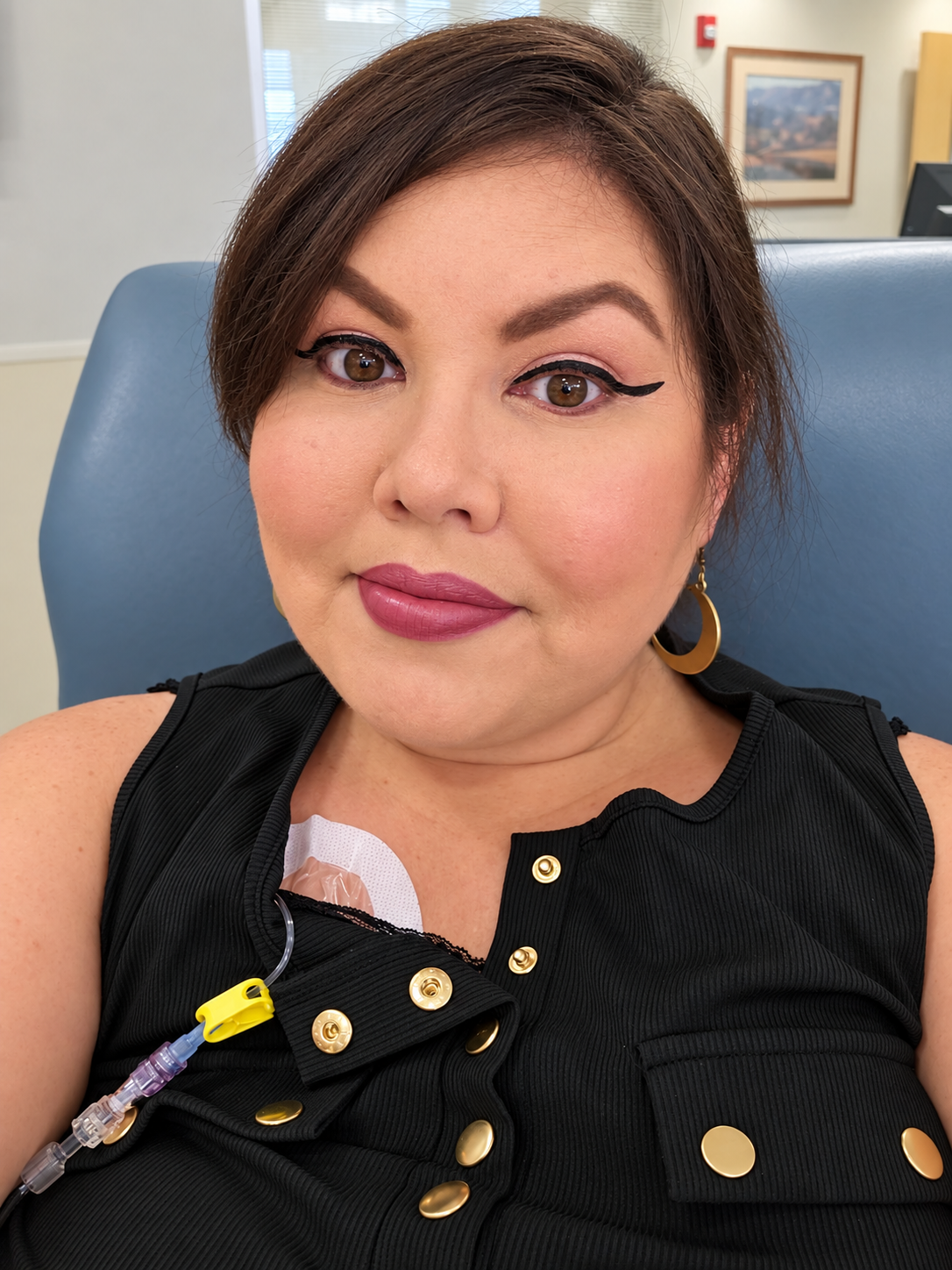
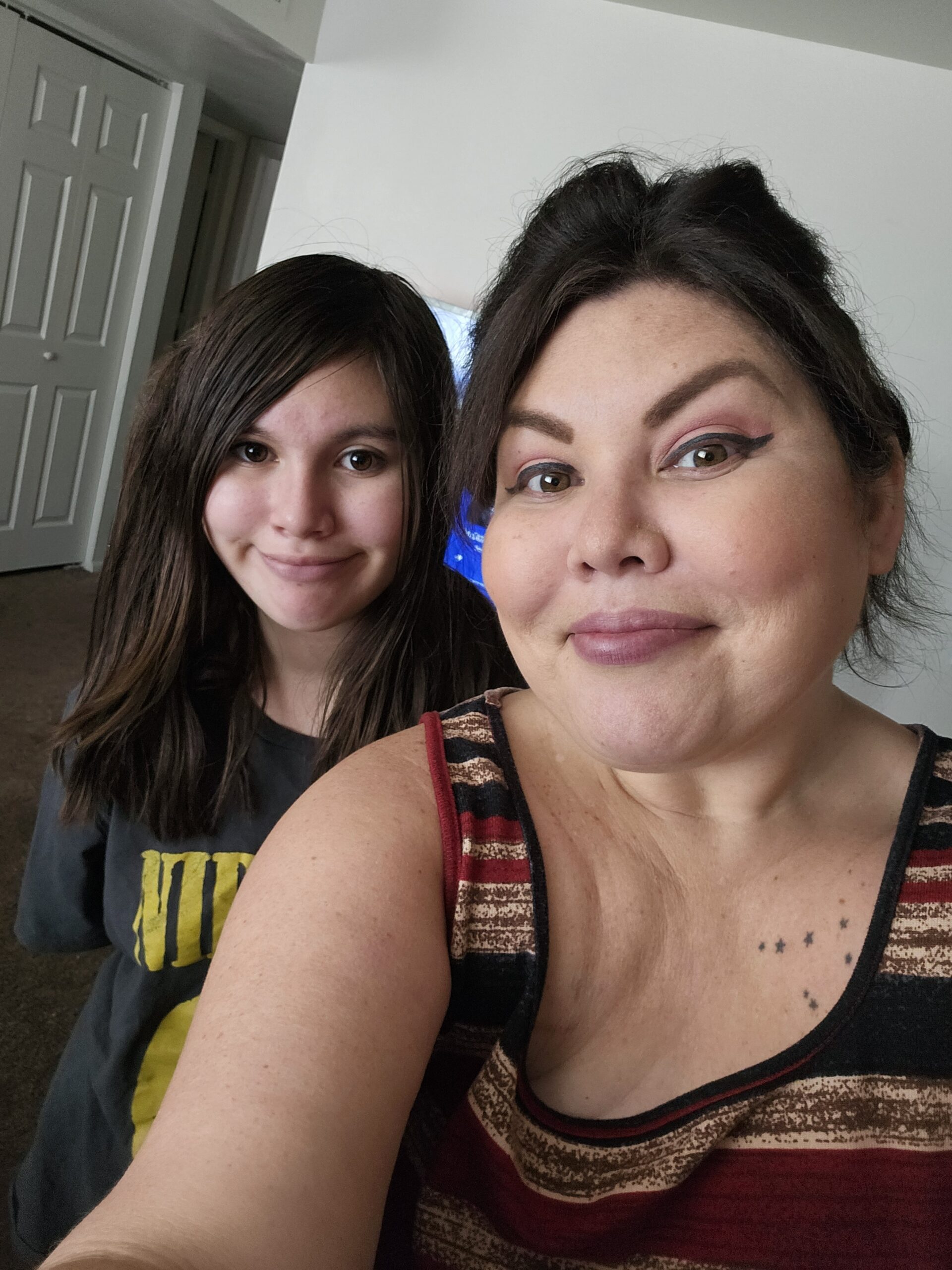
Find herself once again navigating cancer as a single mother, Blake-Ontiveros faced the heartbreak of watching her young daughter, now older, instinctively assume caregiving responsibilities around the house to assist with her lingering fatigue and treatment side effects. As of 2026, she continues to receive ongoing treatment for her second breast cancer diagnosis.
Deb Blake-Ontiveros: Sharing Her Cancer and Mental Health Story to Help Others
The past eight years have been characterized by relentless motion for Blake-Ontiveros. Between school drop-offs, medical appointments, and ongoing treatments, her days remain dedicated to raising her daughter and advocating for systemic change within the healthcare system. A central pillar of her advocacy work involves destigmatizing mental illness within the cancer community, drawing direct parallels between her bipolar disorder and the complex emotional and physical ways she processed her diagnoses.
Mental health remains a deeply neglected component of cancer survivorship, with the psychological toll often rivaling the physical burden of the disease. For minority populations, including Latinos, cultural stigmas surrounding mental illness frequently compound these challenges, discouraging patients from seeking the comprehensive psychological support they require. Blake-Ontiveros refuses to let shame dictate her narrative, openly discussing her experiences despite initial discomfort from relatives who viewed a cancer diagnosis as a private family embarrassment.
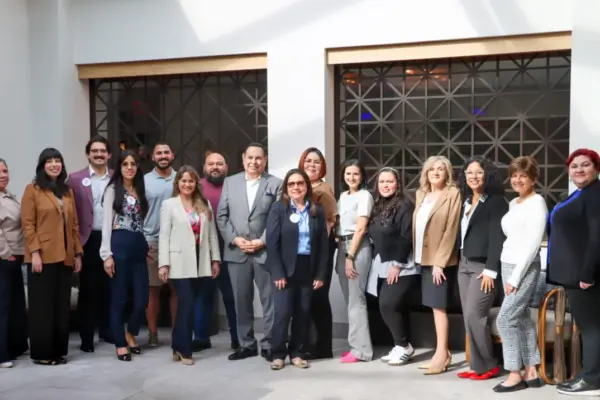
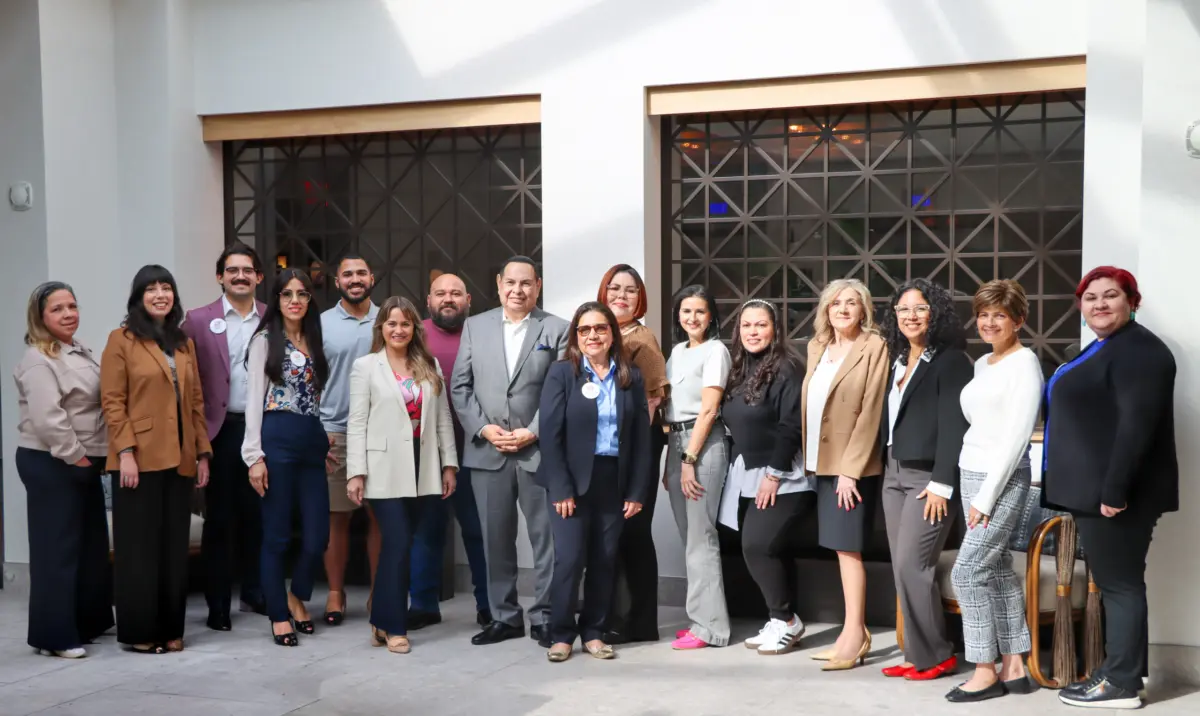
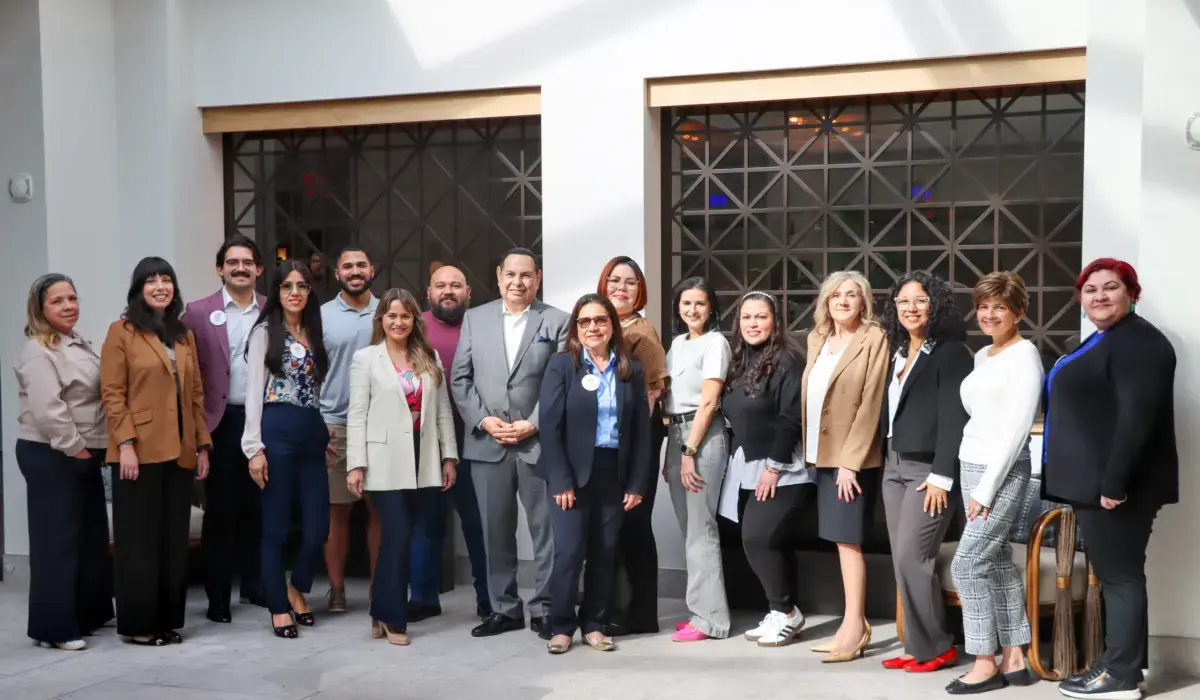
Her commitment to transparency led her to participate in the Latino Cancer Patient Advocate Training Program. Held in conjunction with the Advancing Cancer Research for Latinos and All Populations Conference in San Antonio, Texas, the initiative gathers Latino cancer survivors from across the country to train with clinical experts and build supportive peer networks. Co-led by Dr. Barbara Segarra-Vázquez of the University of Puerto Rico, the program equips survivors with the tools necessary to guide others through their diagnoses and advocate for equitable healthcare resources.
Through platforms provided by training initiatives, digital media, and public speaking engagements, Blake-Ontiveros continues to extend a lifeline to individuals who feel invisible within the medical establishment. Her primary goal is simple: to ensure that at least one person feels recognized and understood, knowing firsthand the isolation that accompanies the intersection of cancer and complex mental health conditions.
Refusing to let the disease define the boundaries of her identity, Blake-Ontiveros remains steadfast in her resolve to navigate whatever challenges lie ahead, adapting to each new reality while remaining authentically herself.