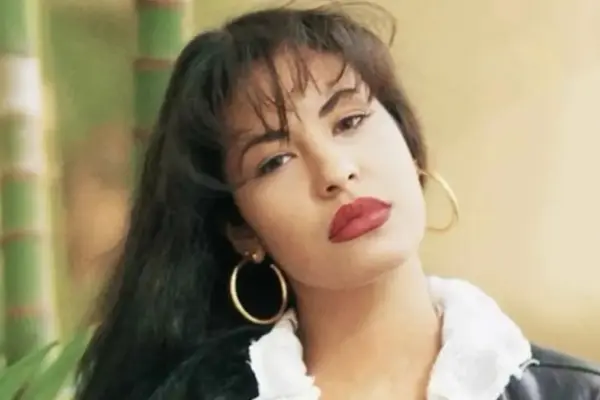



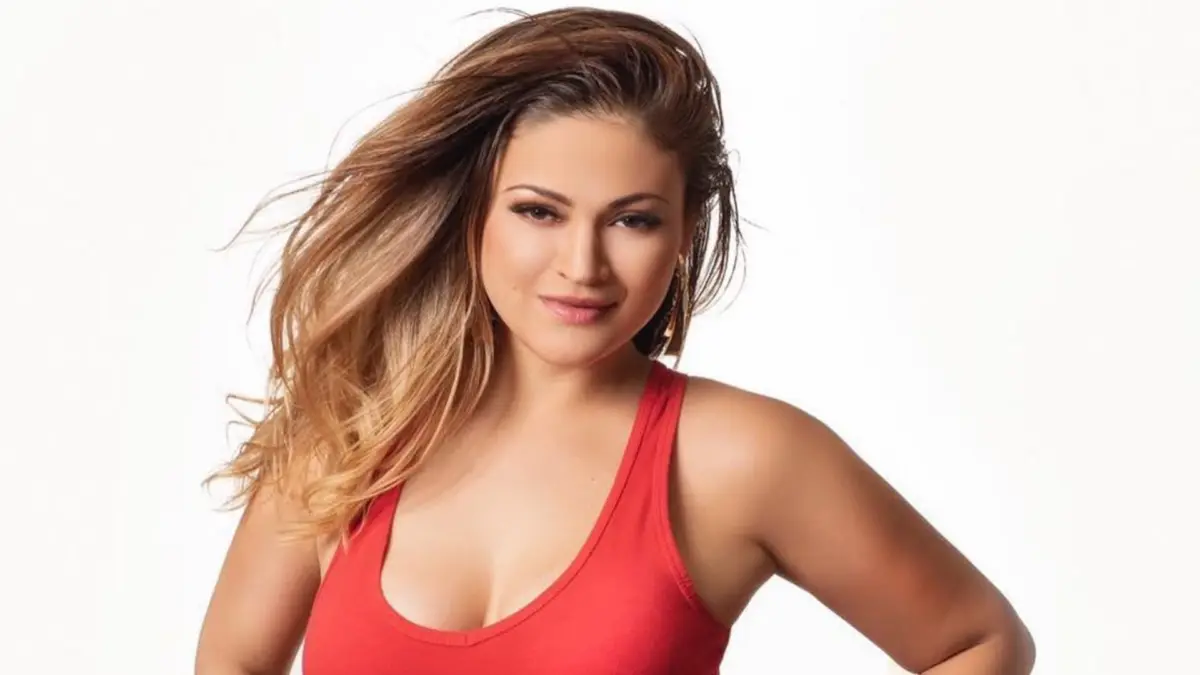
Her name is Myra, and during the turn of the millennium, she stood at the vanguard of a burgeoning era for young Latina representation in mainstream American pop culture. Born Mayra Ambriz, the talented vocalist delivered one of the defining anthems of the early 2000s, cementing her place in cinematic and musical history alongside a generation of young pop stars. As the world revisits the halls of Albert High School and the royal courts of Genovia, the anniversary offers a poignant moment to look back at the singer who helped make the movie’s soundtrack unforgettable, tracing her remarkable journey from a young Spanish-language recording artist to Disney’s trailblazing pop princess.
Myra’s journey into the entertainment industry began long before her association with the House of Mouse. Demonstrating immense vocal talent at an exceptionally early age, she broke into the professional music scene in 1997 with the release of her debut studio album, Mensajera del Amór. Released when she was just eleven years old, the record showcased her impressive range and established her early footing in the Latin music market. This foundational early experience in the recording studio prepared her for the massive multimedia machine she would soon enter as a teenager.
Just a few years later, in 2000, a major career milestone arrived when Myra signed with Walt Disney Records. This partnership was groundbreaking for both the label and the young artist. By joining the roster, Myra officially became Walt Disney Records’ first-ever teen artist, as well as the historic label’s first Latina artist. This signing marked a significant moment of cultural inclusion at a time when mainstream American record labels were just beginning to recognize the immense commercial and artistic power of crossover Latin talent at the turn of the century.
Her introduction to the Disney stable of stars was swift and widespread. Her first official Disney release, a vibrant track titled "Magic Carpet Ride," arrived in May 2000 as part of the promotional and compilation album La Vida Mickey. The upbeat track introduced her dynamic vocals to a massive audience of young Disney Channel viewers and families, positioning her as a fresh new voice in youth-oriented pop music. Following that success, Myra was chosen to record a high-profile cover of the Martha and the Vandellas classic "Dancing in the Street." Her energetic rendition subsequently served as the official soundtrack single for the 2001 animated feature film Recess: School’s Out, further expanding her cinematic footprint within the family entertainment sector.
Reflecting on her time with the studio years later, Myra expressed deep gratitude for the collaborative environment and the professional foundation it provided her. In a 2021 interview with MTV, the singer opened up about her experiences during the height of her Disney stardom, highlighting the positive relationships she built during that whirlwind period. "I had a great team," Myra told MTV in 2021. "I actually still have a few friends up at Disney Records, and it’s so nice to be in touch after all these years. There are good things about the industry."
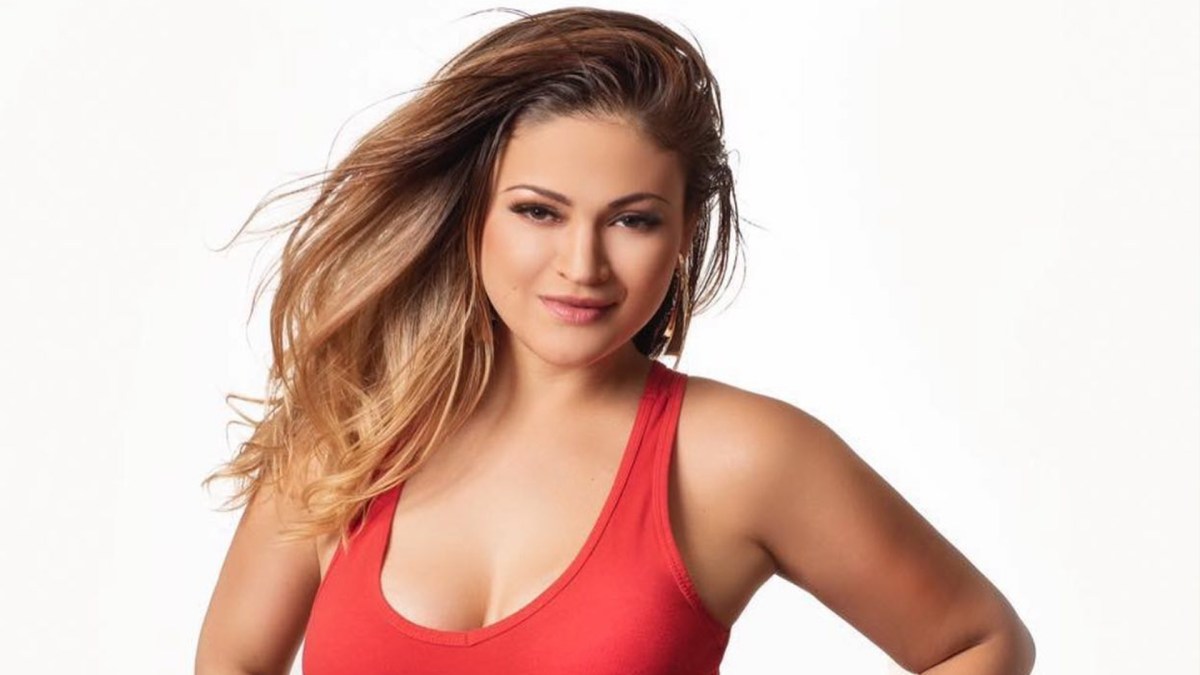
That strong team and her undeniable vocal abilities soon converged to create the defining moment of her recording career. Myra originally released her signature track, "Miracles Happen (When You Believe)," on her self-titled studio album, Myra, in June 2001. The song, with its soaring chorus, uplifting lyrical message, and infectious early-2000s pop production, was tailor-made for adolescent empowerment.
However, it was the integration of the track into Garry Marshall’s cinematic adaptation of The Princess Diaries that launched the song—and Myra—into pop culture immortality. When the film hit theaters in August 2001, starring Anne Hathaway alongside acting legend Julie Andrews, it became an immediate box office smash and a generational phenomenon. The soundtrack, anchored by Myra’s anthemic contribution, captured the hearts of millions of moviegoers worldwide. "Miracles Happen (When You Believe)" played during crucial, triumphant moments in the film, forever linking Myra’s voice to Mia Thermopolis’s unforgettable journey from awkward teenager to elegant princess. The massive success of the movie and its companion album helped solidify Myra’s status as one of Disney’s original pop princesses, setting a precedent for the network of young musical stars that would follow in the decades to come.
The momentum of 2001 carried Myra onto major concert stages alongside some of the biggest names in teen pop at the time. Capitalizing on her rising star power, she hit the road as a supporting act, touring with Aaron Carter as the official opener for his wildly popular "Party" Tour in 2001. Playing to packed arenas of enthusiastic young fans night after night, Myra proved her capability as a live performer who could command a stage alongside the era’s biggest teen idols.
Amid the touring and the whirlwind success of her English-language crossover work, Myra maintained a connection to her musical roots. In October 2001, she released her third studio album, Milagros, which allowed her to continue exploring Spanish-language material and connect with the bilingual and Hispanic audiences who had supported her since her debut album four years prior. This ability to navigate both English and Spanish markets demonstrated a versatility that set her apart from many of her pop contemporaries.
Now, a quarter-century after she first stepped into a recording booth for Walt Disney Records and lent her voice to a cinematic milestone, Myra’s legacy within the landscape of early-2000s pop culture remains secure. Twenty-five years after the debut of The Princess Diaries and her iconic breakout hit, Myra is still actively making music and pursuing the passion that first drove an eleven-year-old artist into the professional recording studios of the late nineties. As fans of the original film stream the soundtrack, buy anniversary editions, and pass the beloved movie down to a new generation, the voice behind "Miracles Happen (When You Believe)" continues to remind listeners of a distinct, magical era in pop music history.