







In observance of Breast Cancer Awareness Month this October, the national Latino health equity organization Salud America! is turning its attention to one of the most pressing health challenges facing minority populations today. Through a special edition of its widely recognized Salud Talks podcast, the organization is launching an in-depth conversation centered on how breast cancer trends uniquely impact communities in South Texas and across the United States.
Breast cancer remains the most commonly diagnosed cancer among Latinas and stands as the leading cause of cancer-related death within the demographic. This stark reality forms the backdrop of a collaborative discussion featuring leading oncology experts, researchers, and public health advocates who are working to reshape the future of cancer care, early detection, and medical technology.
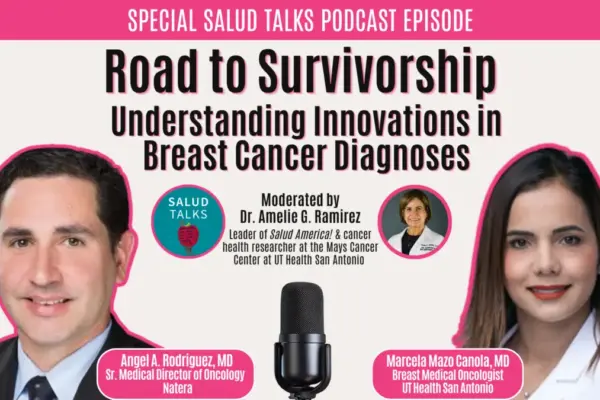
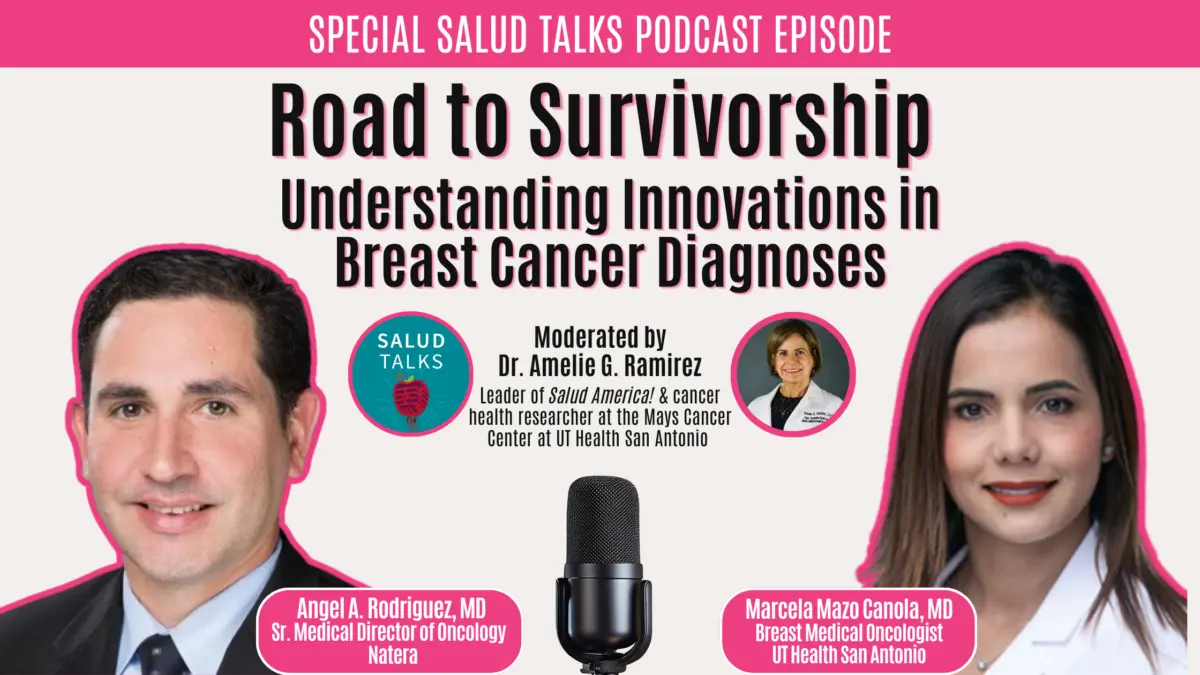
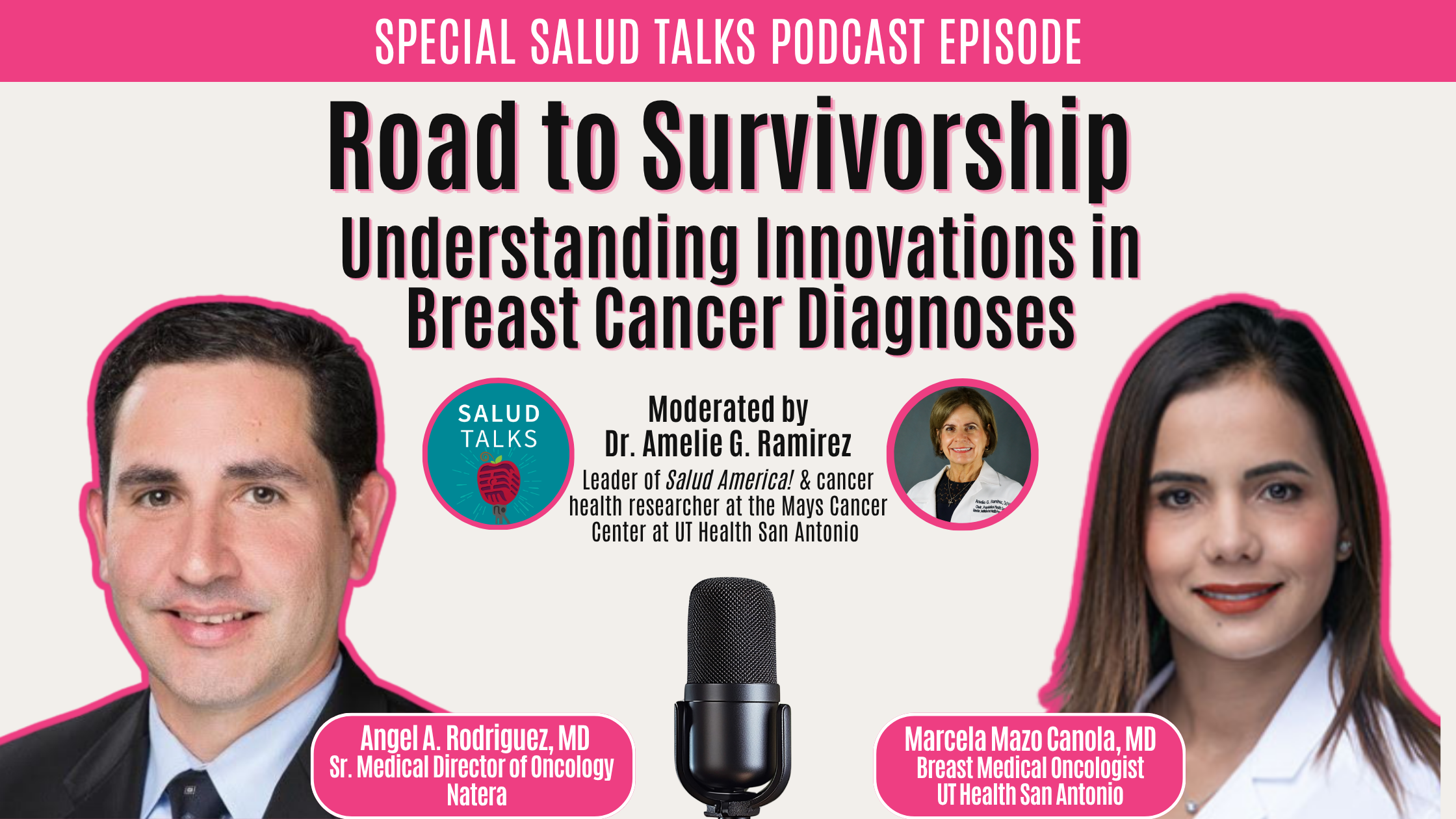
Released on Tuesday, October 6, 2026, the special podcast episode brings together prominent voices in oncology and public health. The discussion is hosted by Dr. Amelie G. Ramirez, director of Salud America! and the Institute for Health Promotion Research (IHPR) at UT Health San Antonio, where she also serves as the leader of community outreach and engagement at the Mays Cancer Center.
Joining Dr. Ramirez for the conversation are Dr. Marcela Mazo Canola, a breast medical oncologist at the Mays Cancer Center at UT Health San Antonio, and Dr. Angel Rodriguez, senior medical director of oncology for Natera. Together, the panel dives into the complex realities of breast cancer within the Latina community, examining not only the medical burdens of the disease but also the persistent systemic, cultural, and socioeconomic challenges patients face when attempting to access quality healthcare and advanced treatments.
A central theme of the episode is the rapid evolution of medical technology and how cutting-edge advancements can be leveraged to improve outcomes for individuals diagnosed with breast cancer. As diagnostic tools and monitoring technologies become increasingly sophisticated, experts are exploring new ways to personalize treatment plans, track disease progression with higher precision, and offer renewed hope to patients who might otherwise face severe health disparities.
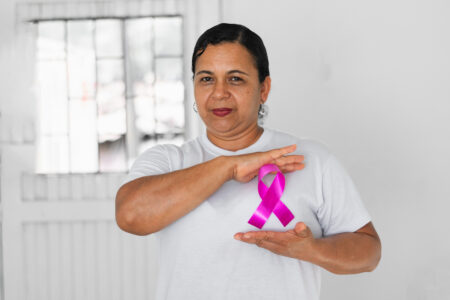
The collaboration between Salud America! and medical leaders from institutions like the Mays Cancer Center and Natera highlights a growing urgency to bridge the gap between advanced medical innovations and vulnerable populations. Healthcare advocates have long pointed out that while groundbreaking technological advancements in oncology continue to emerge at a rapid pace, ensuring equitable access to these tools remains a critical hurdle for underserved communities, particularly Hispanic populations in regions like South Texas.
Throughout the episode, the panel unpacks these barriers, addressing how historical inequities, lack of insurance, language barriers, and geographic isolation can delay diagnoses and hinder treatment adherence. By fostering an open dialogue about these obstacles, the podcast aims to empower listeners, patients, and healthcare providers with the knowledge needed to advocate for better healthcare resources and more inclusive clinical practices.
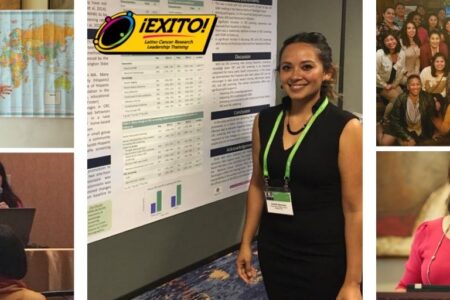
The Salud Talks podcast has established itself as a vital platform for discussing public health issues affecting Latino communities, regularly tackling topics ranging from chronic disease prevention to mental health and cancer advocacy. By dedicating this installment to breast cancer innovations during October’s awareness month, the platform underscores the importance of targeted outreach and education.
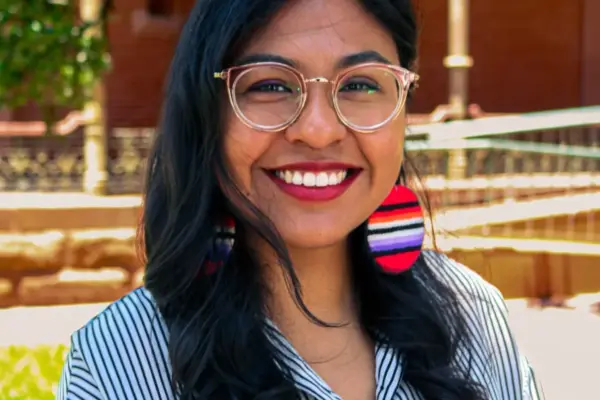
The episode is produced by Alyssa Escalante, producer for the Salud America! Salud Talks Podcast, and is currently available for streaming on Spotify and all major podcast platforms. Listeners and community advocates are encouraged to engage with the conversation online using the official hashtag #SaludTalks across major social media channels, including X, Facebook, and Instagram, where Salud America! continues to share resources, stories, and educational materials related to cancer prevention and Latina health.