

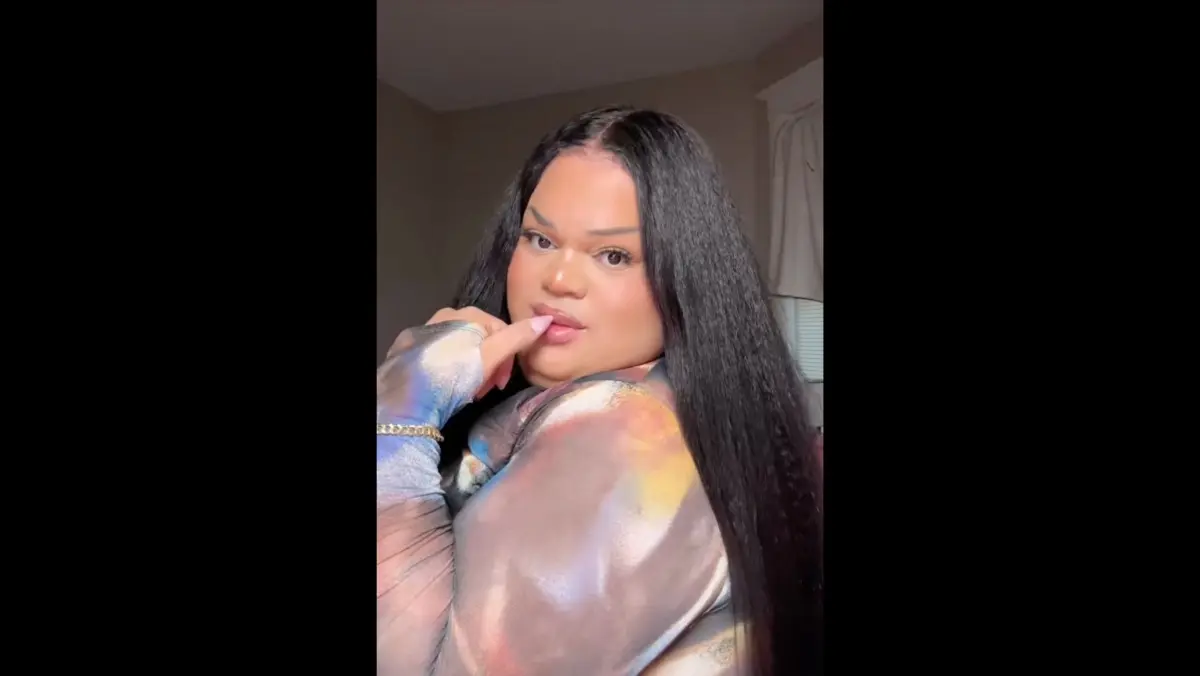
Jools Lebron, the 33-year-old transgender Latina creator who single-handedly steered popular culture into a massive wave of mindfulness with the viral "Very Demure" trend in 2024, has announced her departure from TikTok. The decision follows a severe online backlash sparked by a GoFundMe campaign she launched to cover the costs of vital dental surgery.
Lebron, whose catchphrase permeated mainstream media, major brand campaigns, and celebrity culture, revealed in an emotional video message that she is stepping away from the platform for good. The sudden turn of events highlights the fragile economic reality of internet virality, the intense pressures faced by digital creators, and the persistent toxicity of online spaces where creators from marginalized communities are subjected to targeted harassment.
The GoFundMe Campaign and the Swift Online Backlash
Over the weekend, Lebron launched a GoFundMe campaign seeking $45,000. In the description, she explained that her teeth had sustained severe damage following a period of personal struggle with addiction—a challenge she has previously addressed with openness and vulnerability. Every subsequent visit to the dentist, she explained, underscored the uphill battle required to repair the extensive physical damage.
Lebron shared that she had already spent $6,000 out of pocket on treatments, exhausting her personal resources and forcing her to turn to her community for help. While she also considered returning to traditional employment, she expressed deep doubt that a standard job would generate the income quickly enough to address the urgency of her medical needs.
The backlash from online critics was swift and unforgiving. Detractors quickly pointed to public statements Lebron had previously made regarding her peak earning potential, where she noted receiving offers between $45,000 and $80,000 per sponsored video during the height of her viral success. Critics argued that a creator with such high historical earning potential should not need to crowdfund a medical procedure. Others took issue with her commentary surrounding traditional employment, interpreting her remarks as dismissive of the everyday labor required by most people to cover their living expenses.
Faced with an escalating wave of criticism, Lebron deleted the GoFundMe campaign within hours of its launch. Shortly afterward, she released a video announcing that she no longer believed TikTok could work in her favor, declaring that chasing her previous momentum was taking a heavy toll on her health and well-being.
Defenders Highlight the Reality of Fleeting Virality
As the controversy unfolded, supporters mobilized to defend Lebron, pushing back against the narrative that viral fame translates into lifelong wealth. Advocates pointed out that the illusion of widespread internet fame often masks a precarious financial reality. A single viral moment, defenders argued, does not guarantee sustained, long-term income, and the gap between a creator’s most lucrative period and their daily financial standing can be substantial.
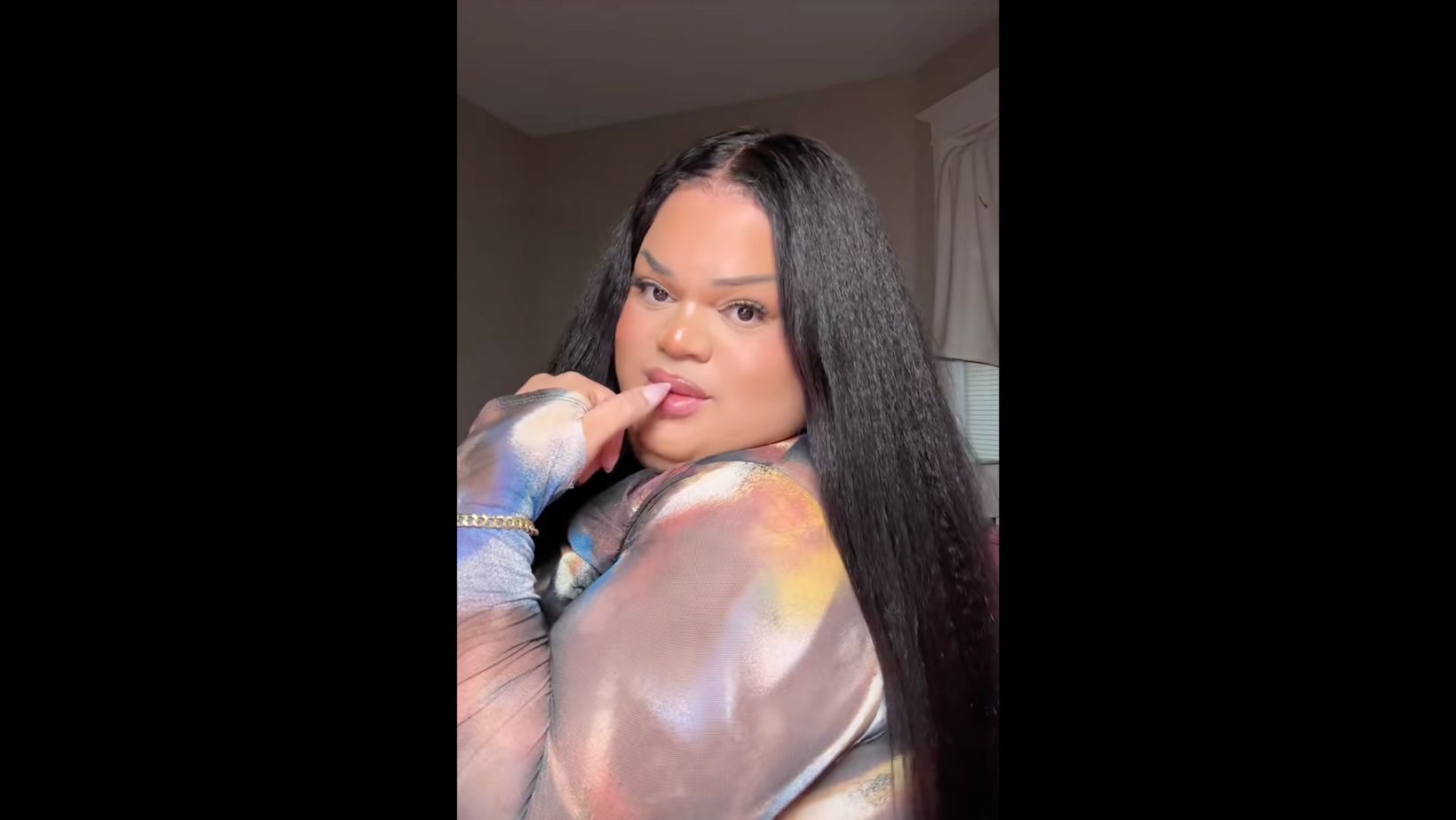
Furthermore, Lebron had previously disclosed that she used a significant portion of her viral earnings to financially support her family, leaving her with far less of a financial safety net than outside observers might have assumed. The sudden shift in her circumstances underscored a broader conversation about the financial instability embedded within the modern creator economy.
The Underlying Transphobia in the Public Discourse
As the discourse surrounding Lebron’s fundraising effort spread across multiple social media platforms, a darker element emerged. A notable portion of the commentary directed at Lebron crossed the line from critical debate into overt transphobia.
As a transgender Latina woman who uses she/her pronouns, Lebron has frequently been the target of vitriol disguised as internet commentary. Throughout the GoFundMe controversy, critics and internet trolls repeatedly resorted to deliberate misgendering, using her deadname, or leveraging the financial debate as a thin veneer to express hostility toward her identity.
Media analysts and digital rights advocates have emphasized that while discussions regarding crowdfunding ethics and creator transparency are entirely legitimate, the inclusion of targeted transphobia is unacceptable. Observers noted that the hostility directed at Lebron often relied on policing her humanity rather than addressing the substance of her financial appeal, exposing the hostile landscape that marginalized creators routinely navigate online.
What the Creator Economy Owes Its Most Viral Voices
The sharp contrast between Jools Lebron’s cultural ubiquity in 2024 and her current withdrawal from the platform exposes systemic flaws within the digital entertainment industry. The modern creator economy relies heavily on algorithmic visibility, yet it offers virtually no structural safety nets for the individuals who generate its most culturally significant moments.
Viral fame on platforms like TikTok does not come with a salary, health benefits, paid time off, or any guarantee that an audience will remain engaged long enough for a creator to build a sustainable career. Instead, algorithms dictate visibility arbitrarily, leaving creators who experience a sudden peak to spend years trying to recapture a fleeting wave of attention that the platform has already discarded.
Lebron’s departure serves as an extreme example of a wider pattern affecting digital creators across the board. Her situation raises uncomfortable questions about sustainability within the digital age—questions the industry has largely failed to answer. For now, Lebron’s exit marks the end of a turbulent chapter for one of TikTok’s most recognizable breakout stars, leaving behind an ongoing debate about the true cost of viral fame and the responsibilities platforms hold toward the people who build their ecosystems.