








It is a brilliant fall day on Carter’s Creek in Irvington, Virginia, and a small group is hauling heavy baskets of fresh oysters from the brackish waters. Despite their weathered hands and focused expressions, they are not traditional Chesapeake watermen earning a living on the historic bay. Instead, they are guests of the Tides Inn, participating in an immersive coastal experience designed to help them unplug. For them, this hands-on encounter with local maritime traditions is the ultimate way to press pause on the relentless noise of their everyday lives, allowing them to step away from screens and deadlines to be fully present in a tranquil, authentic place.
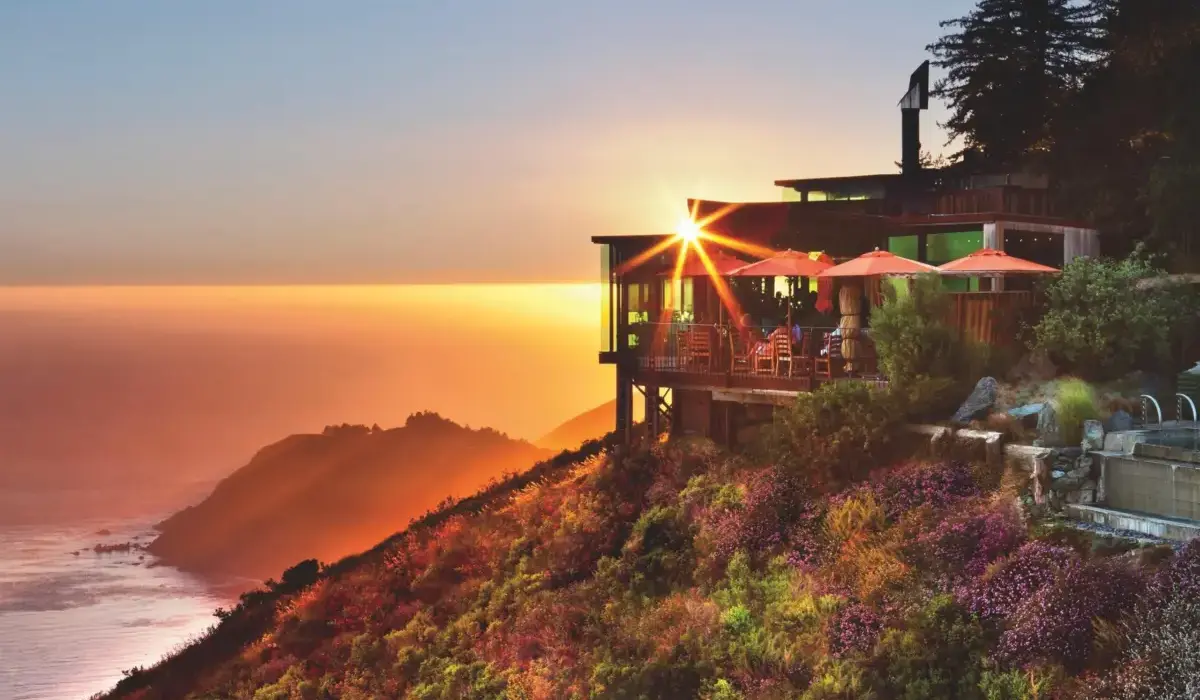
Meanwhile, thousands of miles away in the dappled, golden light of a Big Sur, California, forest, a solitary meditator takes in deep lungfuls of crisp eucalyptus and salty ocean air. The sensory experience is grounding and restorative, tying the traveler directly to the rugged natural beauty of the Pacific coast. At the base of a nearby, ancient live oak sits a freshly foraged, frilled chanterelle mushroom. This wild harvest will not merely serve as a memento of a morning walk; it is destined for the kitchen table later that evening at the Post Ranch Inn’s award-winning restaurant, where local ingredients are transformed into fine dining that reflects the very ecosystem outside the dining room windows.
These two distinct scenes highlight a profound shift occurring within the hospitality industry. A new generation of travelers is eager to hit the road, check in, and destress, but they are approaching resort vacations entirely on their own terms. Today’s discerning vacationers are no longer satisfied with passive relaxation or standardized luxury itineraries. They want meaningful engagement with the destinations they visit, seeking out properties that seamlessly blend wellness, nature, and local culture. Crucially, they refuse to compromise when it comes to world-class cuisine or cultural immersion, demanding that their accommodations offer both high-end comfort and authentic local connection.
This evolution in traveler expectations has transformed how luxury properties design their guest experiences. Resorts are increasingly moving away from purely commercial models toward localized stewardship, connecting visitors directly with the environment, agriculture, and traditions of the surrounding region. Whether a traveler seeks the maritime heritage of the mid-Atlantic coast or the mystical, forested cliffs of the Pacific coastline, the modern hospitality landscape has adapted to prove that whatever an individual’s ultimate escape looks like, there is a resort tailored precisely to those desires.
Yet, as the aspirations of travelers grow more sophisticated, the logistical side of travel can often introduce its own layer of friction. The planning phase—traditionally marked by endless research, itinerary coordination, and the anxiety of choosing the right destination—does not have to be a source of stress. Industry professionals and travel experts have increasingly emphasized the importance of streamlined preparation to ensure that the journey from home to the resort remains seamless. By leveraging expert tips and understanding how to navigate modern booking trends, travelers can eliminate the administrative burden of vacation planning, ensuring the entire experience is genuinely worth the trip from the moment they depart.
As the tourism sector continues to adapt to these shifting preferences, the core desire of the traveler remains remarkably consistent: a genuine escape from the pressures of modern life. Whether pulling oysters from the historic waters of Virginia or meditating beneath the towering canopies of California, the modern resort experience has evolved into something far more personal. It is no longer just about where people stay, but how deeply they connect with the world around them during their brief respite from reality.