









For years, the hospitality industry operated under a sacred, if increasingly strained, social contract: the guest orders, the kitchen cooks, and the meal is served as intended by the culinary team. But in recent times, that dynamic has shifted dramatically. Driven by a culture of hyper-personalization, the rise of custom-order lunch bowls, and the pervasive influence of social media review culture, restaurants have been pressured to bend to endless dietary tweaks and preference-based demands.
Now, a growing number of independent operators are pushing back. Faced with the reality that relentless customization compromises kitchen efficiency, staff morale, and the fundamental integrity of their food, chefs and owners across the United States are drawing a hard line. They are telling diners that when it comes to culturally specific, deeply intentional cooking, the menu is not a draft to be edited.
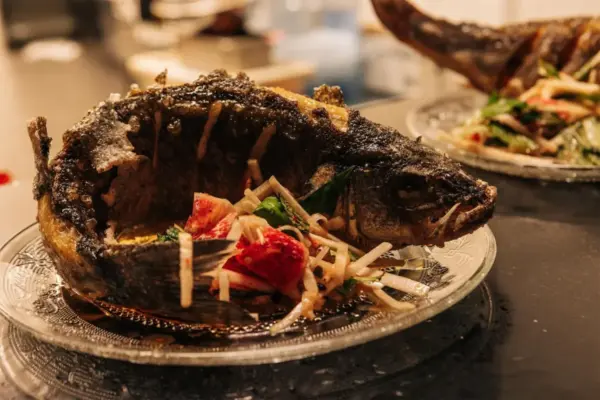
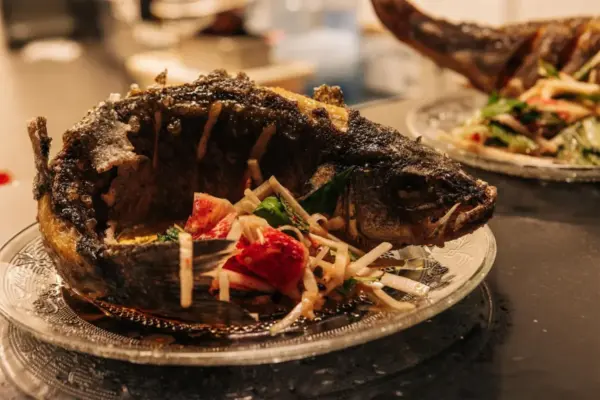
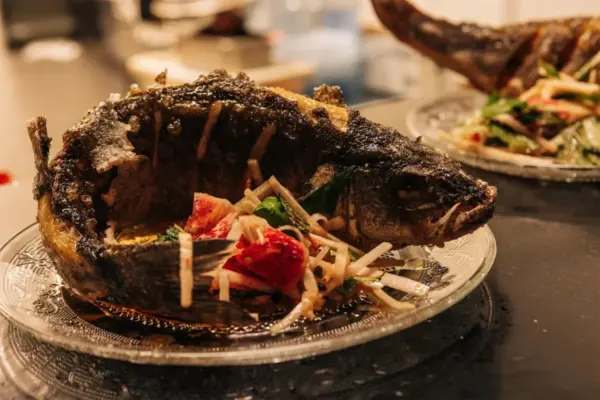
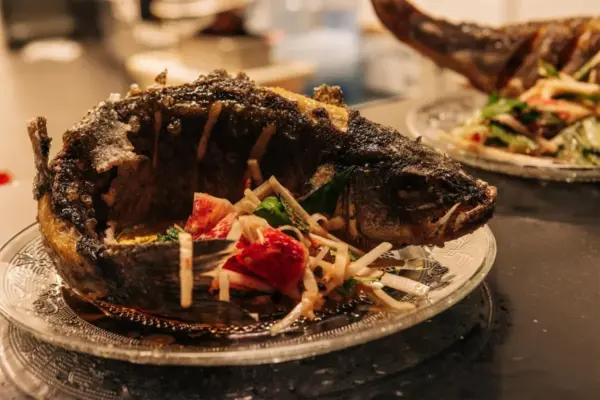
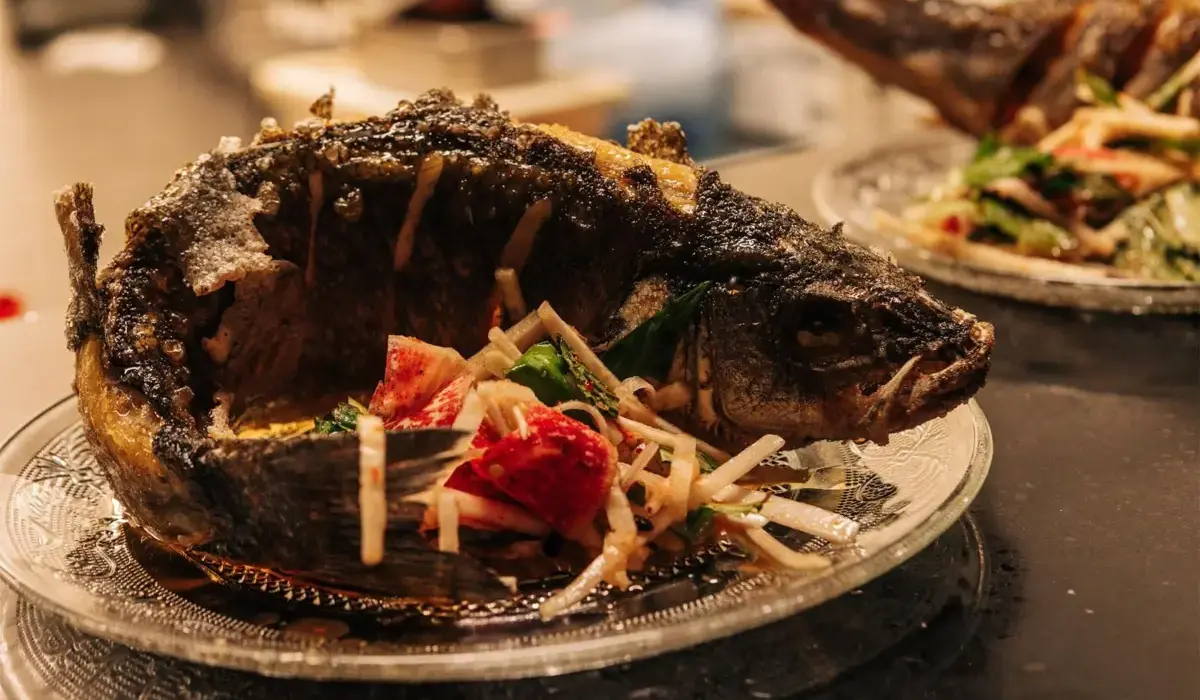
When Chanita Chayaluk set out to open Taan, her Chicago restaurant and wine bar, she had a clear vision. She wanted to showcase Thai cuisine in a different light, moving away from the nostalgic tropes left behind by the first major wave of Thai immigration to the city in the 1970s. When Taan opened its doors last September, the menu debuted with dishes like miang—a Northern Thai specialty made with fermented tea leaves—and a whole, deep-fried fish lacquered in a rich fish-sauce caramel.
Yet, operating in Chicago came with unexpected cultural hurdles for the new restaurateur. Chayaluk found herself grappling with what she describes as the pervasive influence of "Midwest nice," where businesses often feel compelled to overaccommodate and appease the masses at all costs. In the early days of service, Taan’s small kitchen and tight-knit staff were inundated with frequent requests for ingredient substitutions and modifications driven by personal preferences and dietary restrictions.
These constant alterations quickly began to bog down kitchen operations. As Chayaluk points out, the delays did not just affect the back-of-house workflow; they degraded the overall guest experience, turning what should have been a seamless culinary journey into a sluggish, disjointed process. It reached a point where the staff felt less like an independent culinary team and more like a fast-casual assembly line. The ultimate breaking point arrived when a customer placed an order for green curry mussels, but requested the dish "without the mussels."
Realizing that accommodating every whim was eroding the identity of her restaurant, Chayaluk took decisive action. She implemented a strict substitution policy at Taan, taking to social media to explain the reasoning to her clientele. On Instagram, she articulated that foundational ingredients like fish sauce and shrimp paste are not mere flavorings that can be easily omitted; they are the very fabric that defines Thai cuisine. Consequently, these elements could no longer be removed from any dish that incorporates them.
This tension between rigid culinary vision and modern consumer expectations is part of a broader industry pendulum swing. A decade or so ago, asking for menu substitutions was widely frowned upon and frequently derided in food culture as a breach of restaurant etiquette. Recently, however, operators report that substitution culture has bubbled back up in full force, fueled by a complex swirl of social and economic factors.
The widespread popularity of customizable lunch spots has primed modern consumers to expect a granular level of personalization with every single order. Meanwhile, the cultural footprint of philosophies centered on intense hospitality has reinforced a modern interpretation of the "customer is always right" mentality. Compounding this is the omnipresence of social media influencers and amateur reviewers, who can easily weaponize a restaurant’s refusal to honor a specific dietary preference, triggering an immediate and viral online backlash.
When coupled with the grueling economic realities of keeping a restaurant afloat in a volatile market, many operators have simply felt forced to give in. Some bow to constant specific requests, while others have altered their menus altogether, participating in what critics have dubbed the "great de-spicification" of restaurant menus across the country.
Yet, even as industry pressures mount, a resilient faction of restaurants is standing its ground. Alongside Taan, establishments like New York’s Ha’s Snack Bar proudly broadcast their philosophy in plain sight, noting on social media that everything on their menu contains fish sauce, offering no apologies for it.
A similar battle lines-drawing has played out at Lom Wong in Phoenix, Arizona, where chef Yotaka "Sunny" Martin and her co-owner and husband, Alex Martin, have seen a notable uptick in modification requests following a wave of high-profile national attention. Last year, Chef Sunny was recognized by the James Beard Awards, and in August, the restaurant earned a prestigious Michelin Bib Gourmand designation.
According to Alex Martin, the influx of accolades brought in a new demographic of diners who were more inclined to pick dishes apart. Guests began asking for modifications or expressing confusion over the restaurant’s service style, sometimes failing to understand why Lom Wong did not course its meal service in a traditional European fashion.
Alex Martin notes that there remains a persistent European distinction of what an award-winning restaurant is "supposed" to look like, leading some diners to mistakenly equate Michelin recognition with a formal, white-tablecloth establishment. The team’s response has been clear and unwavering: that has never been who they are, and it is never what their restaurant will become.
Like Taan, Lom Wong utilized social media to set clear expectations for its diners. The restaurant communicated explicitly that it would not make substitutions simply to make a dish more familiar to Western palates. Furthermore, diners were informed that certain choices are fully intentional—beef might contain gristle, and fish will be served whole.
Alex Martin credits his co-founder as the restaurant’s guiding light of cultural context, noting that every operational decision is weighed against whether a requested change would compromise the integrity of the dish. While Lom Wong is willing to accommodate minor logistical tweaks—such as serving the shrimp on the side of a mango salad—they firmly draw the line at removing foundational elements like beef or shrimp paste from dishes that necessitate them.
At Taan, Chayaluk has adopted a similarly balanced yet firm philosophy. Rather than altering existing dishes to fit every restriction, the restaurant ensures there is always a dedicated vegan and gluten-free option—currently a fried rice dish—that serves as a robust culinary catchall for diners who cannot partake in the rest of the menu. Chayaluk emphasizes that this dish is crafted to be exceptionally good and substantial, ensuring it functions as a primary offering rather than an afterthought or a meager appetizer.
Behind these boundary-setting measures is a conscious effort by management to protect their employees. Both Chayaluk and Martin emphasize that their policies are just as much about safeguarding their staff’s peace of mind as they are about maintaining quality control for the diners.
While enforcing these boundaries has inevitably invited some friction, the proactive approach of setting expectations before the meal begins—bolstered by upfront social media communication—has largely been met with understanding and acceptance.
As Alex Martin explains, the conversation with guests is rooted in mutual respect. When addressing substitution requests, the team kindly explains to diners that while their preferences are respected, those preferences belong strictly to them, gently steering them toward menu items that naturally align with their dietary needs from the start.