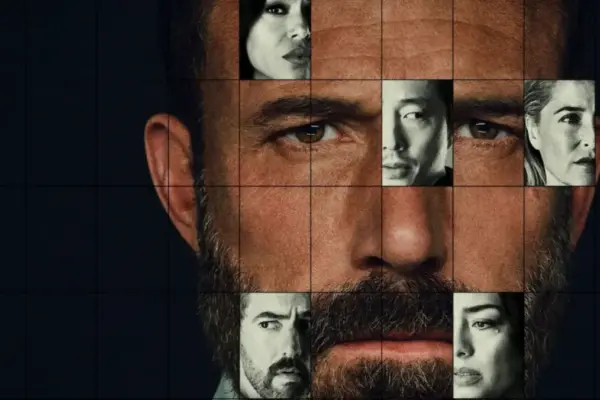








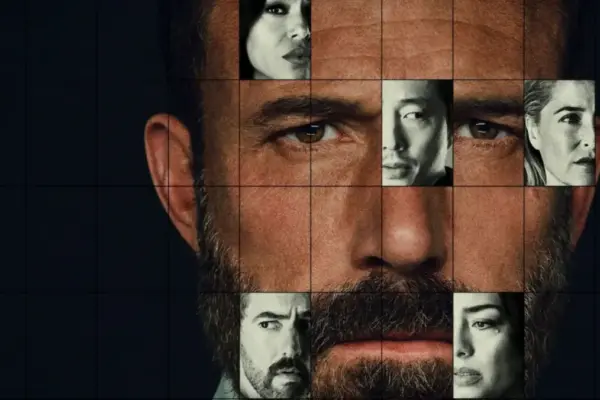


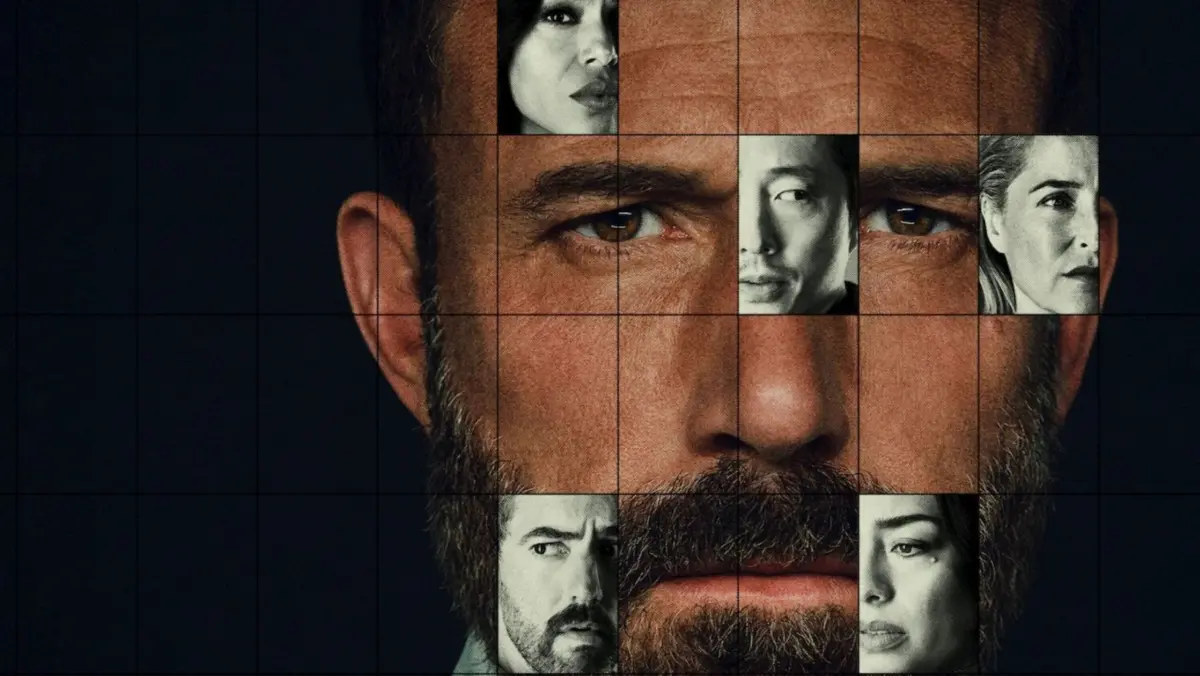
In a sweeping and deeply personal interview with veteran journalist Jorge Ramos on his digital show Así Veo Las Cosas, Academy Award-winning filmmaker Ben Affleck opened up about the profound challenges, personal convictions, and real-world collisions that shaped his new Netflix thriller, Animals. Sitting down to discuss the ambitious project, Affleck made it clear that the film was never approached as a detached creative exercise. Instead, it became a deeply emotional exploration of identity, dignity, and the immigrant experience in modern America—one that was dramatically and unforgettably altered by real-world events unfolding right outside the production’s windows on the streets of Los Angeles.
Affleck explained to Ramos that the United States is fundamentally a country of immigrants, noting that his own family and heritage are deeply tied to the immigrant experience. For Affleck, the narrative at the heart of Animals—which centers on Mexican characters named Luis and Adriana—is not merely a fictional subplot, but rather a reflection of the broader story of the United States. This core conviction guided every major decision he made while co-writing and directing the film, even as he fully recognized the professional and cultural risks of tackling such a politically charged subject in the current climate.
He Knew Making This Film Was a Risk and He Made It Anyway
From the earliest stages of development, Affleck was acutely aware that anchoring a mainstream American production around the dignity and humanity of immigrant protagonists would be viewed as a risk within the traditional Hollywood landscape. In his conversation with Ramos, the director discussed how he deliberately chose to lean into that risk because the sociopolitical moment demanded it. He expressed a strong desire to portray immigrants not as flat supporting players or background tropes in someone else’s narrative, but as fully realized human beings who serve as the true protagonists of their own stories.
This creative philosophy also extended to how Affleck handled the linguistic and cultural authenticity of the film. He pushed back against a pervasive, long-standing perception in the commercial film industry that English-speaking audiences harbor an inherent resistance to subtitles. While Hollywood executives have historically worried that non-English dialogue might alienate viewers or dampen box office and streaming numbers, Affleck argued that the sheer social relevance of the story—and the absolute necessity of representing the immigrant experience with honesty and respect—far outweighed any commercial calculations about subtitle preferences. By handing creative control and narrative power directly to his actors, he ensured that the characters’ voices would remain authentic, regardless of industry conventions.
ICE Was Operating on His Filming Locations and the Script Was Playing Out in Real Life
The production of Animals took place against a backdrop of intense national debate regarding U.S. immigration enforcement and the widespread impact of Immigration and Customs Enforcement (ICE) operations on local communities. However, what started as a thematic exploration in the script quickly transformed into a visceral reality for the cast and crew when the fiction of the movie collided directly with the headlines of the day.
Affleck revealed to Ramos that during the Los Angeles shoot, production had to be temporarily suspended on multiple occasions because active ICE operations were actively taking place in the immediate neighborhoods where the crew was working. Witnessing these enforcement actions unfold in real time while directing a film about immigrant lives was, as Affleck described it, an extraordinary and sobering experience. Rather than viewing these interruptions merely as logistical headaches or inconvenient production delays, Affleck noted that the surreal collision of script and reality deepened his understanding of the material. It served as a stark reminder of the urgency behind the story he was telling, reinforcing why a project addressing the realities of immigrant communities needed to exist in the current political landscape.
This sobering proximity to real-world trauma heavily influenced how meticulously Affleck approached the film’s character development. Recognizing the limits of his own perspective, he took the extraordinary step of asking his Mexican lead actors, Adriana Paz and Luis Gerardo Méndez, to take ownership of their roles by writing their own dialogue. By allowing Paz and Méndez to pen their own lines, Affleck ensured that the conversations between Luis and Adriana possessed an authentic emotional weight and cultural resonance that no outside writer could have manufactured.
He Said This Is a Country of Immigrants and His Family Proves It
Affleck’s deep-seated connection to the themes of Animals is rooted directly in his personal background. Telling Jorge Ramos that his own family and people are immigrants, Affleck framed the struggles and triumphs of the film’s characters as an extension of the American narrative itself. He emphasized that the identity of the United States has continuously been shaped, renewed, and built by generations of people who left their homelands to start anew.
This personal dedication to the project is matched by a formidable professional framework. Animals was produced in association with Artists Equity, the artist-first studio that Affleck co-founded alongside longtime collaborator Matt Damon. The film features a high-profile ensemble cast, bringing together acclaimed performers such as Kerry Washington, Gillian Anderson, Steven Yeun, and Ray Fisher alongside its Mexican leads, Luis Gerardo Méndez and Adriana Paz.
By bringing together a diverse array of talent both in front of and behind the camera, Affleck set out to spark meaningful conversations about power, vulnerability, and the human cost of systemic political divides. Entering the streaming space with a project so deeply intertwined with real-world complexities, Animals arrives as a reflection of a nation grappling with its own identity. Animals is currently streaming on Netflix.