







Breast cancer remains one of the most critical public health challenges in the United States today. While it stands as the second-leading cause of cancer-related death among women nationwide, the statistical reality is even more acute for specific communities. For Latina women, breast cancer is the leading cause of cancer-related death. Despite significant advancements in preventative medical care, early detection technologies, and therapeutic interventions, women across the country—and Latinas in particular—continue to be diagnosed at later, more advanced stages of the disease. When cancer is detected at a late stage, treatments are inherently more taxing on the body, and clinical outcomes are significantly less optimistic.
Public health experts point out that this persistent disparity is not merely a clinical failure, but rather the compounding result of systemic issues surrounding non-medical drivers of health. Factors such as low access to health insurance, a lack of regular preventive screenings, inadequate transportation options, food insecurity, and other socioeconomic barriers continue to prevent women from receiving timely care. Addressing these systemic gaps requires a multi-faceted approach centered on more robust resource allocation, improved community-wide education, and targeted research initiatives that can bridge the equity divide.
In recognition of National Breast Cancer Awareness Month, healthcare professionals, advocates, and community organizations are highlighting a comprehensive suite of resources available to those affected. Whether an individual is a breast cancer survivor, currently undergoing active treatment, working as a healthcare professional, acting as a caregiver, supporting a family member, or simply assessing their personal risk, navigating the landscape of cancer care can be daunting. A wide array of organizations and specialized programs offer critical assistance to ease this journey.
1. Finding Breast Cancer Patient Navigation Support
Navigating a new diagnosis or managing ongoing treatment can overwhelm patients and their support networks. To ease this burden, the Susan G. Komen Patient Care Center offers extensive support and specialized services designed to help patients, families, and caregivers. The organization provides educational resources covering critical topics such as risk factors, prevention strategies, routine screening recommendations, diagnostic procedures, treatment pathways, and long-term survivorship.
Beyond education, the program actively works to alleviate the financial toxicity often associated with a cancer diagnosis by offering direct financial assistance programs. Patients can also access emotional support services, guidance on how to navigate a complex medical diagnosis, and assistance in finding and qualifying for relevant clinical trials. Individuals seeking to connect with a dedicated patient navigator can reach out to Komen’s national helpline or inquire via email. Additionally, community members and survivors interested in supporting others can participate in Komen’s Patient Navigation Training Program, which equips individuals to serve as trained guides for newly diagnosed patients.
2. Accessing Breast Cancer Screenings
Health insurance status continues to be one of the most formidable hurdles for women attempting to stay proactive about their breast health. Missed or delayed screenings frequently lead to advanced-stage diagnoses and a correspondingly higher risk of mortality, disproportionately impacting historically overlooked populations such as Latina women.
To combat these disparities and expand early detection, the Centers for Disease Control and Prevention (CDC) administers the National Breast and Cervical Cancer Early Detection Program. This federal initiative is specifically designed to increase access to free and low-cost breast and cervical cancer screenings for low-income women who might otherwise go without care. Services are deployed across the nation and are explicitly designated for women who lack health insurance, have reached the age where routine mammograms are recommended, and live at or below the federal poverty level. Eligible women can utilize these programs to find free or low-cost screenings within their local communities.
3. Localized Breast Cancer Support Networks
While national organizations provide broad infrastructure, local non-profit organizations often step in with community-driven, hyper-local resources to support individuals undergoing active treatment. These grassroots efforts provide practical, day-to-day relief for patients and their families.
For example, Pink Ribbon Good operates in major metropolitan areas throughout the Northeast and in San Francisco, providing critical services such as meal delivery and reliable transportation to and from medical appointments. In Miami, which boasts a vibrant and large Latino population, the non-profit organization 305 Pink Pack assists women undergoing treatment by offering transportation assistance, childcare support, and grocery delivery. In San Antonio, the Thrive Well Cancer Foundation supports cancer patients and their families by providing transportation assistance, financial aid, and wellness programs. Similarly, women battling breast cancer across Central and South Texas can turn to the Texas WINGS organization for localized support tailored to their regional needs.
4. Engaging with Breast Cancer Support Groups
A cancer diagnosis can frequently evoke profound feelings of isolation, making the emotional and mental load exceptionally heavy to bear. Surrounding oneself with peers who share a similar lived experience can significantly mitigate these emotional hurdles.
Organizations such as CancerCare offer structured, fifteen-week online support groups, dedicated post-treatment survivorship groups, and specialized sessions for individuals coping with metastatic breast cancer. Organizations like BreastCancer.org offer free virtual support groups hosted securely online, allowing participants to share experiences from the comfort of their homes. Furthermore, Living Beyond Breast Cancer connects the broader patient community through digital platforms like the Flourish mobile app, creating a virtual space where individuals can ask questions, share personal insights, and build meaningful relationships rooted in shared experiences.
5. Educational Resources and Health Roadmaps
Successfully managing breast cancer treatment and recovery involves understanding complex medical information, recognizing the long-term effects of various therapies, and adopting lifestyle changes aimed at reducing the risk of recurrence.
The National Breast Cancer Foundation has developed a series of educational guides dedicated to helping patients manage stress, protect their mental health, prepare nutritious meals, and understand their treatment options. Meanwhile, Susan G. Komen maintains an extensive archive of tools, ranging from guides on how to effectively communicate with physicians about breast health to comprehensive educational webinars and video libraries.
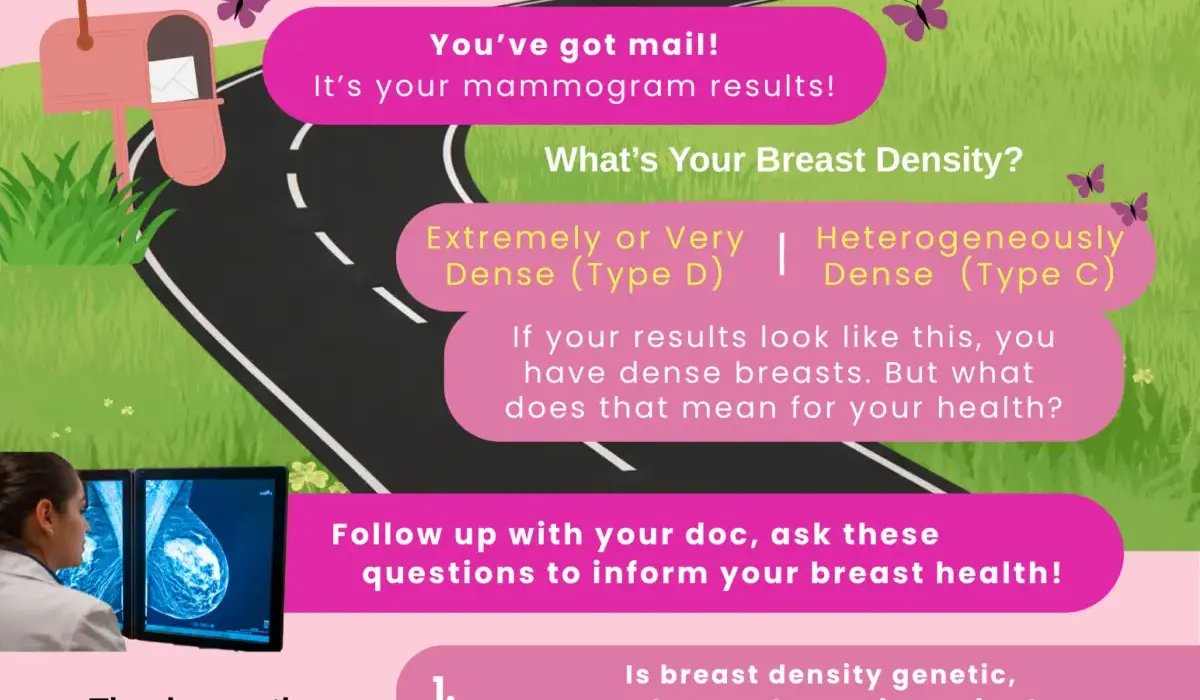
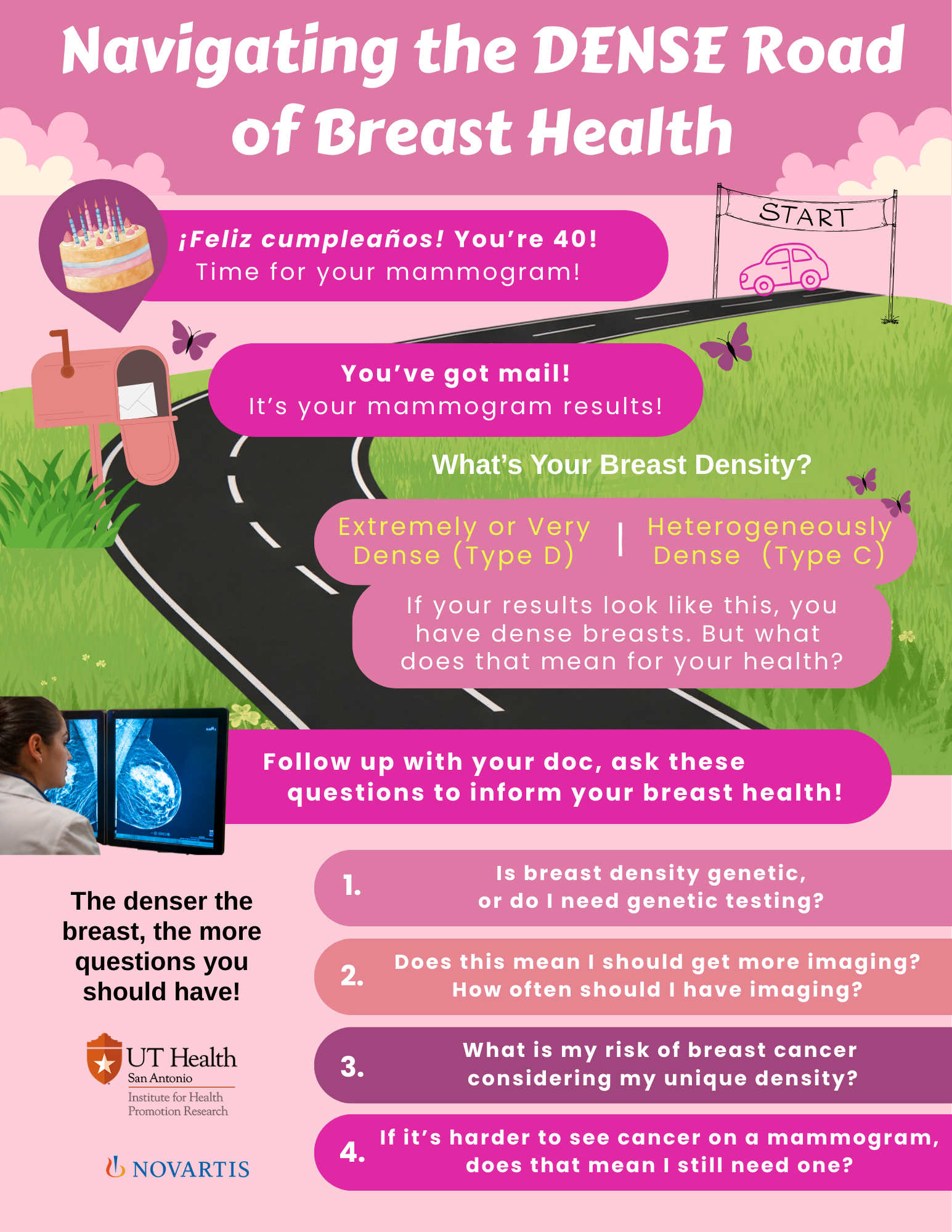
To specifically address the challenges of breast density and its impact on cancer detection, Salud America! partnered with Novartis to create "The Breast Density Road Map." This bilingual resource is designed to help women interpret their mammogram results and facilitate crucial conversations with their doctors following a dense breast diagnosis. These educational materials empower patients to take an active role in understanding their personal risk profiles and advocating for appropriate follow-up care.

6. Selecting a Breast Cancer Oncologist
Choosing the right care team is one of the most critical steps in establishing a successful path toward recovery. Patients require specialized care that addresses their individual medical needs while taking their personal backgrounds, cultural beliefs, and preferences into consideration. Finding the right oncologist marks the beginning of this collaborative relationship.
For patients residing in South Texas, institutional resources such as the Mays Cancer Center provide specialized directories to help individuals locate appropriate cancer care providers based on specific clinical needs and cancer types. On a national level, the American Society of Clinical Oncology maintains an extensive oncologist database allowing patients to search for specialists according to sub-specialty, board certification, and geographic location. Additionally, the American Cancer Society offers comprehensive guidance on evaluating different types of oncologists, key questions to ask during consultations, and resources for finding providers who accept Medicare and other insurance plans.
7. Participating in Breast Cancer Clinical Trials
Clinical trials represent a cornerstone of modern oncology, driving research that helps researchers better understand, slow down, manage, and ultimately treat cancer for current and future generations. Without diverse volunteer participation, however, the medical advancements generated by these studies risk missing the populations that need them most.
Experts emphasize that clinical trial participation benefits not only the individual patient but also the broader community and future generations of family members. Programs such as the Mays Cancer Center at UT Health San Antonio maintain active databases of regional clinical trials along with clear eligibility requirements. Nationally, patients and researchers alike utilize platforms like clinicaltrials.gov to identify active studies and open treatment protocols matching specific diagnoses.
8. Reading Breast Cancer Survivorship Stories
The personal narratives of breast cancer survivors—including those who participated in early screenings or volunteered for clinical trials—offer powerful testimony that helps newly diagnosed patients make informed decisions about their care. These stories of resilience, strength, and perseverance also serve to remind patients that they are not alone in their journey.
Advocates like Linda Mota share their personal experiences to empower other women to listen closely to their bodies and prioritize regular screenings. Others, such as Brittney Millard, demonstrate the value of taking a proactive clinical approach after identifying genetic mutations associated with an elevated risk of breast cancer. Sharing these lived experiences helps demystify the disease and fosters a culture of early detection and open dialogue within vulnerable communities.
9. Contributing to Research Through Personal Stories
The experiences of cancer survivors hold immense value for researchers striving to eliminate disparities in cancer care and improve long-term outcomes. Initiatives like the Avanzando Caminos Hispanic/Latino Cancer Survivorship Study are actively capturing the stories and health data of cancer survivors across South Texas to better understand the disease’s lingering effects.
The study team at UT Health San Antonio enrolls participants who have completed their primary treatments for a wide variety of malignancies, including breast, prostate, colorectal, lung, stomach, liver, endometrial, cervical, kidney, bladder, melanoma, ovarian, thyroid, and lymphoma cancers. Program leaders note that participating in such studies often provides survivors with a meaningful opportunity to process their experiences, promote personal healing, and contribute to research that will protect future generations. Individuals interested in volunteering for the Avanzando Caminos study or learning more about its ongoing research initiatives can contact the study team at the Institute for Health Promotion Research at UT Health San Antonio via phone or email, or complete a brief eligibility survey available on their official website in both English and Spanish.